On this day, 1517: Luther's 95 Theses spark the Reformation
On October 31, 1517, Martin Luther made public his 95 Theses against the sale of church pardons, History.com and the German History in Documents and Images archive show. The list helped start the Protestant Reformation. Whether he really nailed it to a church door is still debated, DW reports.
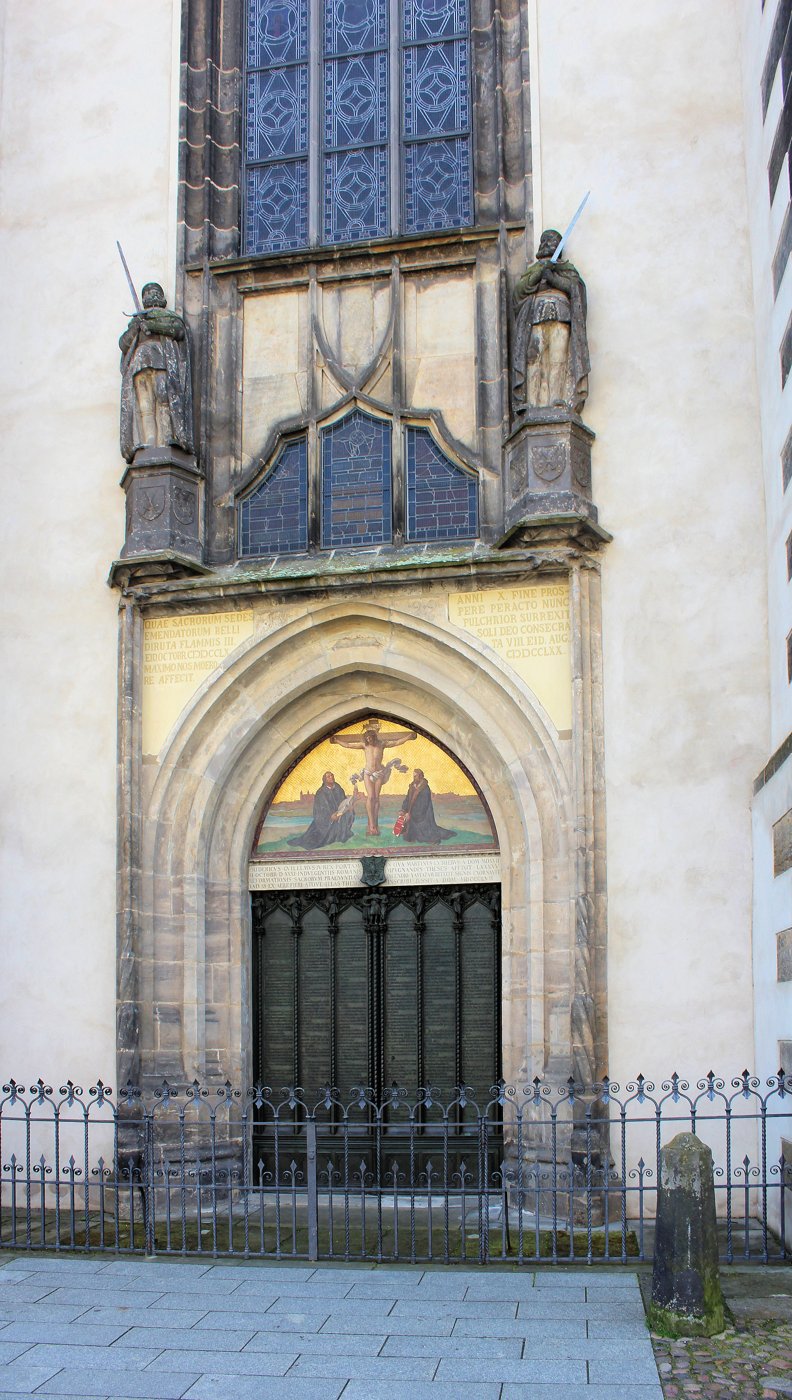
On October 31, 1517, Martin Luther, a priest and scholar in Wittenberg, Germany, put forward 95 Theses that would help start the Protestant Reformation, History.com reports. Legend has it that he nailed the list to the door of the town's Castle Church, the site says. The German History in Documents and Images archive also dates the theses to October 31, 1517.
The theses attacked what Luther saw as abuses in the Roman Catholic Church, History.com reports. His main target was the sale of indulgences, payments for the forgiveness of sins. At the time, a Dominican priest named Johann Tetzel was raising money in Germany to rebuild St. Peter's Basilica in Rome.
Luther's ideas spread fast. The theses were translated from Latin into German and widely shared, History.com says. In 1521, Pope Leo X threw Luther out of the church. That same year, Emperor Charles V declared him an outlaw. Protected by a prince, Luther went on to translate the Bible into German.
The famous image of Luther with a hammer may not be true. In a 2016 interview with DW, German author and theologian Andreas Malessa called the door story "probably nonsense." He said many scholars think Luther sent the theses to two bishops instead. "Luther never mentioned this legendary achievement himself throughout his lifetime," Malessa said in the interview.
Malessa also said Luther was himself a Catholic priest who had granted indulgences. What Luther opposed, he said, was the idea that people could buy a lighter punishment for their sins.
The word "Protestant" first appeared in 1529, History.com reports. By the time Luther died in 1546, his beliefs had formed the basis of a movement that would reshape Western civilization.
What we know: Luther issued his 95 Theses on October 31, 1517, and they helped launch the Reformation.
What we don't: Whether he truly nailed them to the Castle Church door.
Where outlets agree History.com and the German History in Documents and Images archive both date Luther's 95 Theses to October 31, 1517.
Where they differ History.com repeats the legend that Luther nailed the theses to a church door, while DW's interviewee calls that story probably untrue.