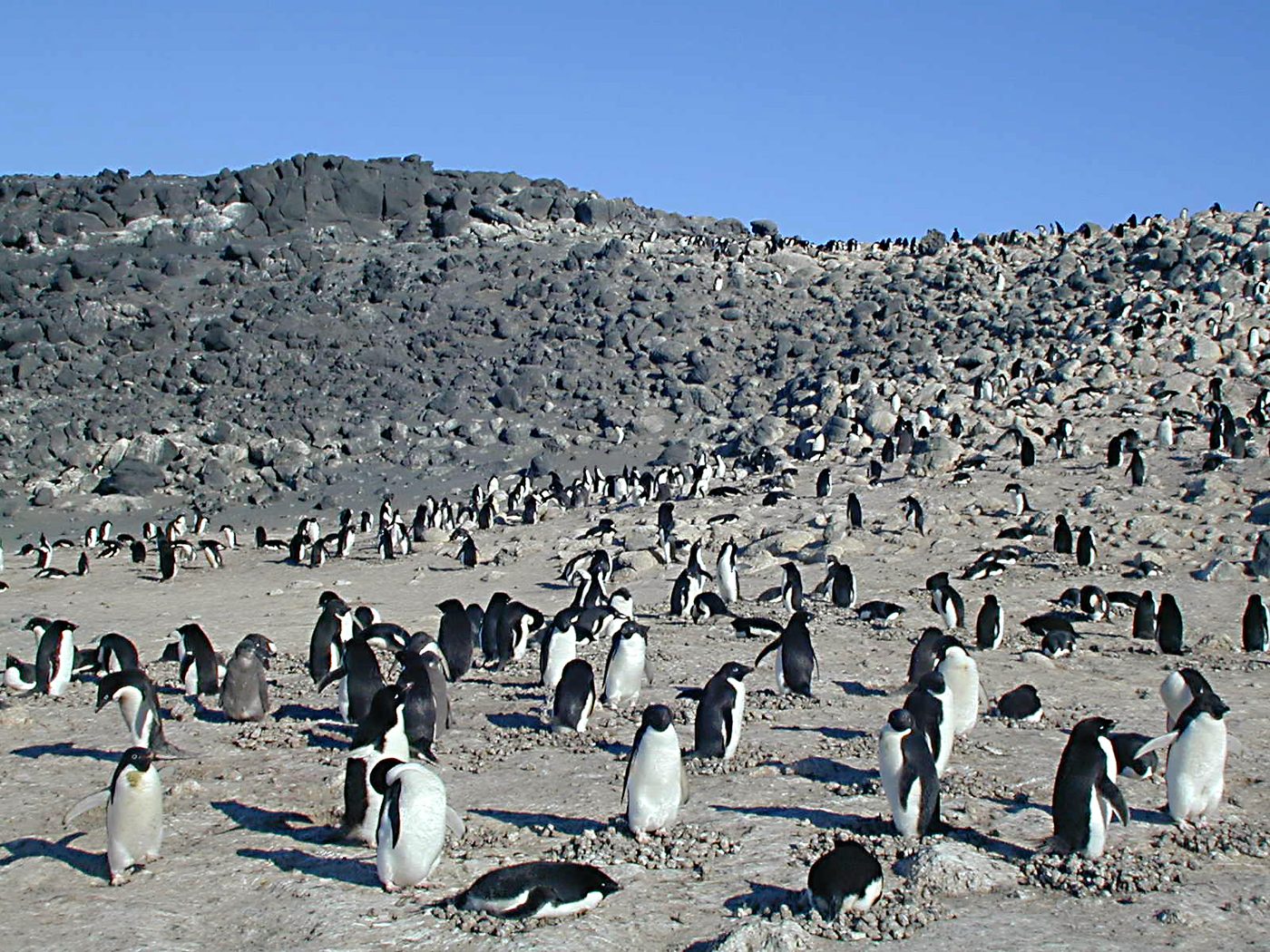
Scientists find avian cholera, not bird flu, killed Antarctic penguins
Avian cholera, not bird flu, was the main cause of a mass die-off of Adélie penguins near the Antarctic Peninsula in 2024, according to NPR. Researchers found more than 537 dead penguins on one landing ramp in the Danger Islands. The findings were published in the journal Proceedings of the Royal Society B.
Avian cholera, not bird flu, was the main cause of a mass die-off of Adélie penguins near the Antarctic Peninsula in 2024, according to NPR. The findings were published this month in the journal Proceedings of the Royal Society B, NPR reports.
Wildlife veterinarian Ralph Vanstreels of the University of California, Davis, sailed to the Danger Islands in March 2024 expecting to find bird flu, NPR reports. His team found more than 537 penguin carcasses on one landing ramp alone and estimated there were thousands more dead birds on the islands, the outlet reports.
Tests on the boat found bird flu, but at low levels, NPR reports. "There is bird flu here, but the virus loads are low," Vanstreels said. Later lab work in the Netherlands found bacteria in the tissues, pointing to avian cholera, the outlet reports.
The bird strain of avian cholera is not considered a major threat to people, NPR reports. "The risk for human infection is not really that high when you see an outbreak on birds," Vanstreels said. Researchers last looked for the disease on the Antarctic Peninsula 25 years ago, the outlet reports.
Cornell University's Amandine Gamble said the strain is very close to one found on an island in the southern Indian Ocean, NPR reports. "Antarctica is way more connected to the rest of the world than we think it is," she said.
What we know: Researchers say avian cholera was the main killer in the 2024 penguin die-off.
What we don't: How avian cholera reached Antarctica. Only NPR has reported this so far. NewsHabit hasn't seen independent confirmation.
Where outlets agree NPR reports researchers found avian cholera, not bird flu, drove the 2024 Adélie penguin die-off.
Where they differ NPR's account relies on the researchers' published findings. No other party has disputed it so far.