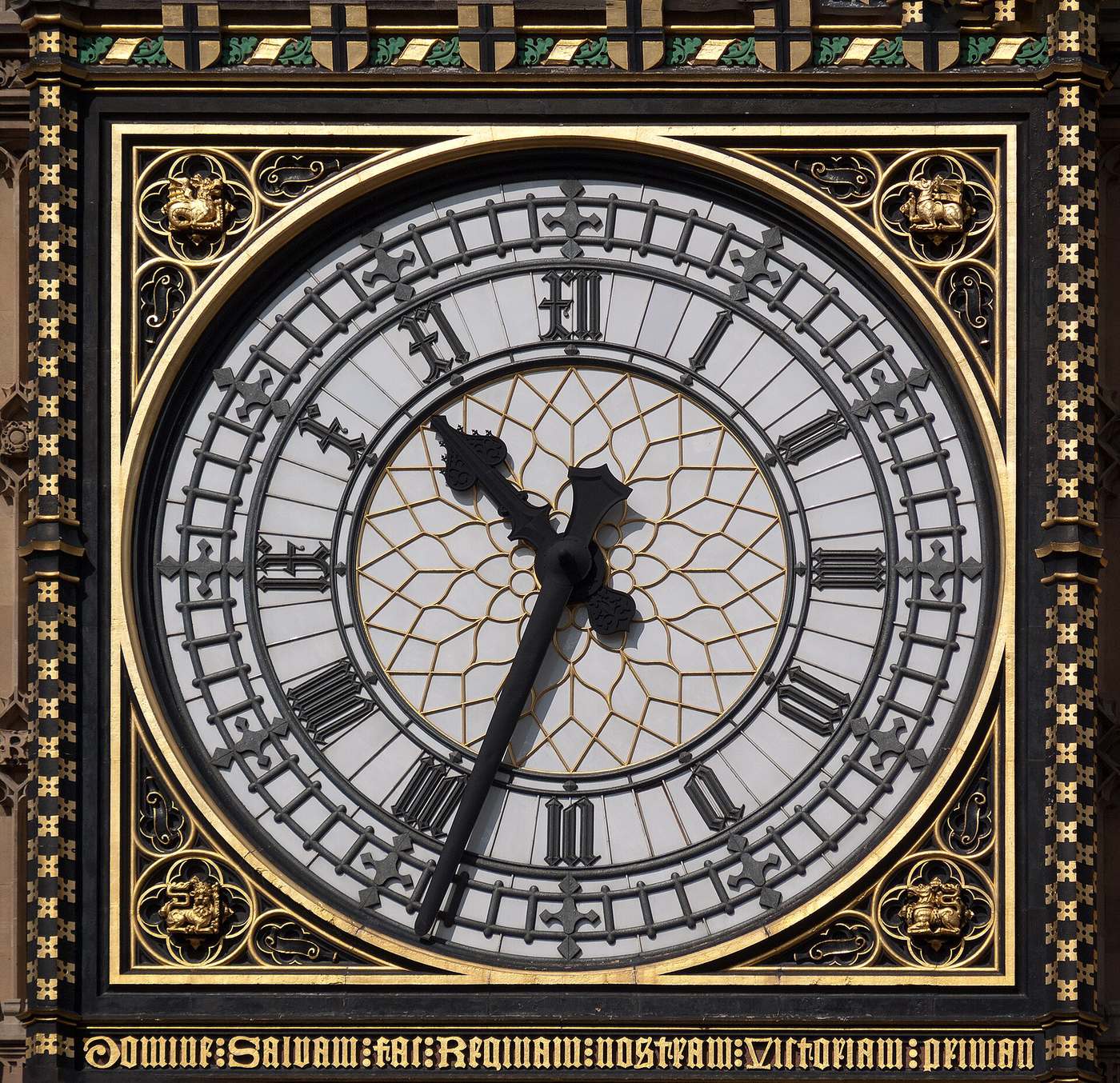
UK and Europe clocks fall back an hour on Sunday
Clocks in the UK and much of Europe go back one hour at 2:00 Sunday, according to the BBC. The change ends British Summer Time and may add an hour of sleep. North America waits until the first weekend of November.
Clocks in the UK and much of Europe go back one hour at 2:00 Sunday, according to the BBC. The change ends British Summer Time and may add an hour of sleep. Sunset will come an hour earlier at first, the BBC said.
The shift falls on Sunday, October 25, 2026. Phones often change on their own, but many watches and household clocks still need a hand turn, the BBC reported. Clocks do not spring forward again until Sunday, March 28, 2027, according to the BBC.
Most of Europe turns clocks back on the same day as the UK this year. In North America, the change comes on the first weekend of November, which is November 1 this year, the BBC said. The BBC also noted talk in Congress about permanent standard time, but the UK has no plan to end the twice-yearly change.
Royal Observatory Greenwich explains that UK clocks fall back on the last Sunday of October and that night workers may work an extra hour when 2:00 becomes 1:00. Its page is an institution guide, not a second news outlet. The observatory also says many kitchen and car clocks still need a manual reset. An easy memory tip is that clocks spring forward in spring and fall back in autumn, the Greenwich page says. The BBC also notes that clock changes have run for more than a century in Britain.
What we know: UK and most European clocks fall back one hour at 2:00 Sunday, October 25.
What we don't: Only the BBC has this seasonal clock guide among counted news outlets so far; NewsHabit hasn't seen independent confirmation. Whether any last-minute schedule changes hit night shifts or rail timetables.
Where outlets agree The BBC reports that UK and most European clocks go back one hour at 2:00 Sunday, October 25.
Where they differ The cited reports agree on the key facts so far.