IUCN says 96% of shallow coral reef systems are critically endangered
Almost all of the world's shallow-water coral reefs face a very high risk of collapse by 2075, according to DW and AP. The IUCN found 96% of reef systems are critically endangered, its highest risk level. It called heat stress from climate change the biggest threat.
Almost all of the world's shallow-water coral reefs face a very high risk of collapse by 2075, according to DW and AP. Both cited a new study by the International Union for Conservation of Nature.
The IUCN found that 96% of the world's shallow-water reef systems are critically endangered, DW and AP reported. That is its highest risk level. The study looked at 127 tropical and subtropical reef areas, the outlets said.
Famous reefs on the list include Australia's Great Barrier Reef, the Coral Triangle, the Mesoamerican reef system and the Red Sea reefs, DW and AP reported.
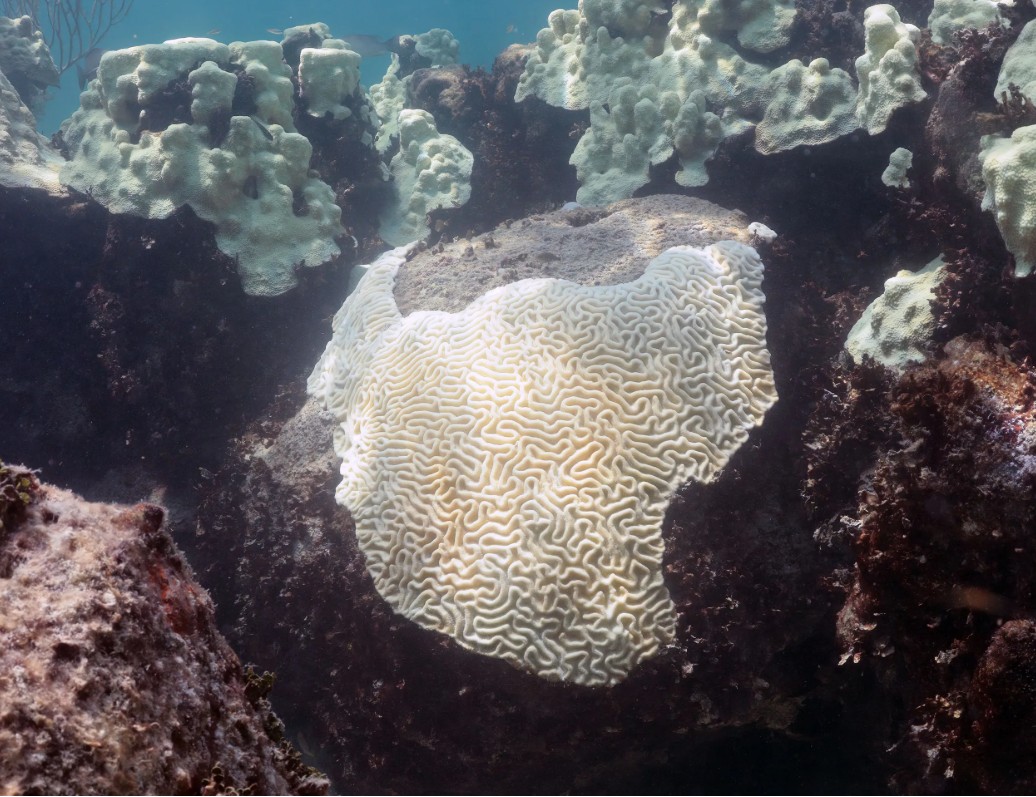
The IUCN called heat stress from climate change "the single most consistent threat driving coral reef decline worldwide," DW and AP reported. When water gets too warm, corals push out the tiny algae that feed them, DW said. That causes bleaching and can kill the coral.
Overfishing is another big threat, DW reported. Pollution, coastal building, tourism and stronger storms also harm reefs, it said.
When a reef collapses, hard corals are replaced by algae, rubble and sponges, DW and AP reported. The reef then supports far fewer kinds of life.
Reefs are important for seafood and tourism, AP reported. They also help protect coasts from storms. They support a quarter of all ocean species, AP said.
"The risk of coral reef collapse is escalating, but this must be a wake-up call rather than a cause for despair," said Mishal Gudka, the study's scientific lead, according to AP.
The study used a climate path with about 2.7C of warming by 2100, DW reported. Without future warming, based only on the past 50 years, just 24% of reefs would be critically endangered, DW said.
"This gives us a critical window for action," Gudka said, according to DW.
What we know: The IUCN rates 96% of shallow reef systems as critically endangered.
What we don't: How much the world will cut warming, which will shape what survives.
Where outlets agree DW and AP report that the IUCN found 96% of shallow-water coral reef systems critically endangered and at risk of collapse by 2075, with climate change the top threat.
Where they differ DW says the IUCN presented the study at the COP17 biodiversity summit in Yerevan, Armenia, while AP says it was announced at a UN biodiversity conference in Albania.