Arizona's Chiricahua becomes the newest US national park
A park site in Arizona called Chiricahua is now a national park, the Guardian, NPR and the park service reported. President Donald Trump signed the bill on Tuesday. It passed Congress with support from both parties, and it is the 64th US national park.
Arizona's Chiricahua National Monument is now Chiricahua National Park, according to the Guardian, NPR and the National Park Service.
President Donald Trump signed the bill into law on Tuesday, October 20, the Guardian, NPR and the park service reported. It passed Congress with support from both parties, the Guardian said. It is the 64th US national park, the Guardian and NPR reported.
The park is known for its tall rock spires, formed by an ancient volcanic eruption, the outlets reported. The park service said the eruption was about 27 million years ago. The Guardian said Native Americans call it the Land of Standing-Up Rocks.
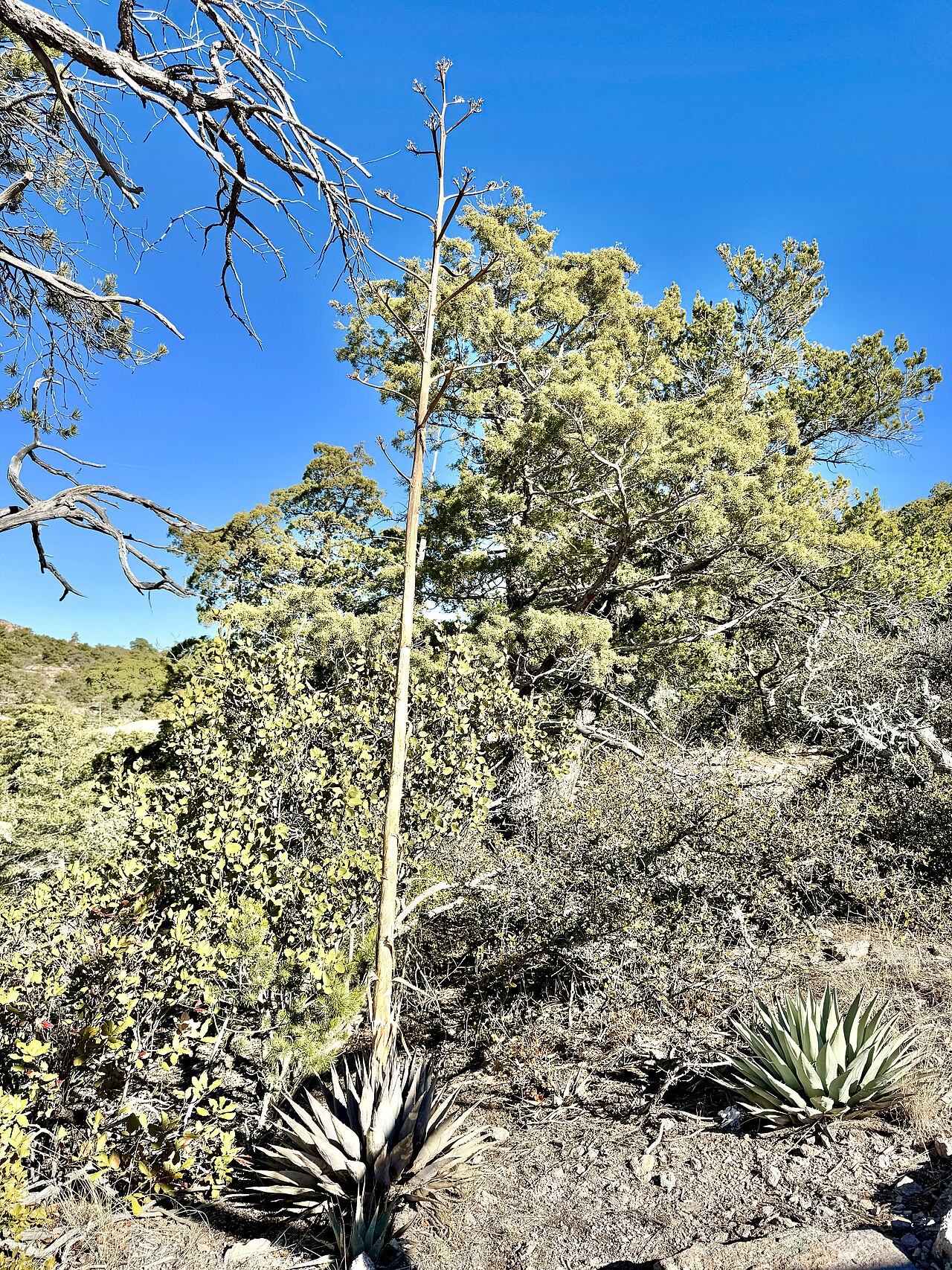
The park covers about 12,000 acres near Willcox, Arizona, the park service said. It sits in the Chiricahua Mountains, a "sky island" where desert, grassland and forest meet, it said. It is Arizona's fourth national park, NPR reported.
The land lies within the historic homeland of the Chiricahua Apache, the Guardian and the park service said. The bill keeps tribal access for traditional ceremonies, the Guardian reported. President Calvin Coolidge made it a national monument in 1924, the Guardian and NPR reported.
"Chiricahua's towering rock spires, rich Apache heritage and remarkable biodiversity make it one of America's most extraordinary landscapes," Interior Secretary Doug Burgum said, according to the Guardian and the park service.
The new park comes as the park service has fewer workers, NPR reported. Its staff fell by nearly 3,000 jobs last year, NPR said. The agency has a $24 billion backlog of repairs, it said.
"The National Park Service was already really underfunded and understaffed," said Sanober Mirza of the National Parks Conservation Association, according to NPR. She hopes the new status brings more money, NPR reported.
What we know: Chiricahua is now a national park after Trump signed the bill.
What we don't: Whether the park will get more money or staff.
Where outlets agree The Guardian, NPR and the National Park Service report that Trump signed a law on October 20 making Chiricahua the newest US national park.
Where they differ The cited reports agree on the key facts so far.