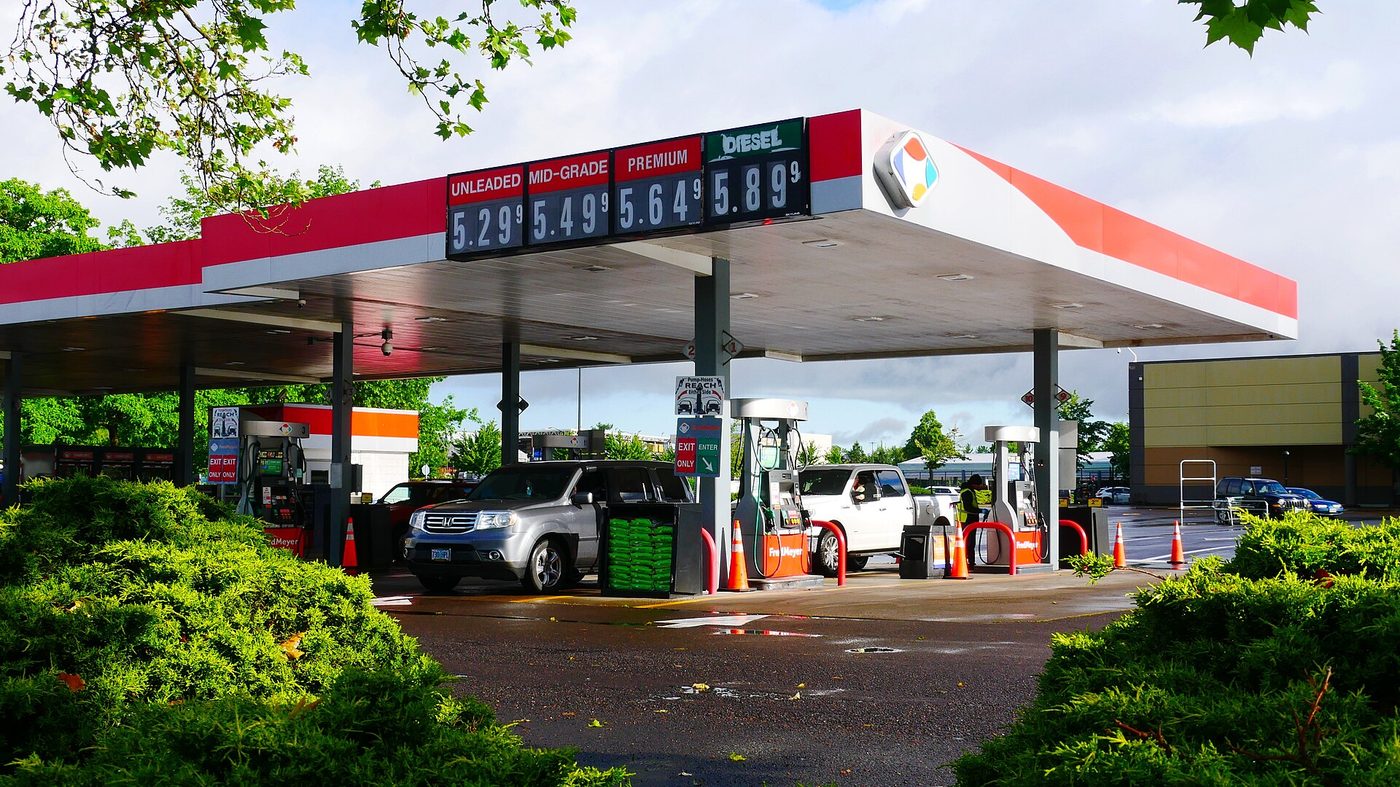
Gas slips to $4.37 a gallon, still $1.25 above last year
The national average for regular gas is $4.37 a gallon Wednesday, according to AAA, down about 7 cents from a week ago. That's still about $1.25 more than a year ago, after a record-setting September at the pump. GasBuddy says prices fell in 48 states last week but warns the relief may not last.
Gas prices are easing a little, but drivers are still paying far more than last fall.
AAA's national average for regular gas was $4.37 a gallon Wednesday. That is down about 7 cents from a week ago but up about 22 cents from a month ago. A year ago, the average was $3.12. Diesel averaged $6.30 a gallon.
September set a record. Gas averaged $4.33 for the month, AAA said. That was 50 cents higher than the old September record of $3.83, set in 2023. The all-time high for regular gas remains $5.02, set in June 2022.
GasBuddy, which tracks prices at more than 150,000 stations, put the national average at $4.30 on Monday, down 12.5 cents in a week. Prices fell in 48 states. The biggest drops came in Ohio and Georgia, where new state fuel tax cuts added to the decline.
Where you live matters a lot. Indiana, Georgia and Texas had the cheapest gas in GasBuddy's count, at $3.74 to $3.88. California averaged $6.35, followed by Hawaii and Washington.
Why are prices so high? The conflict around Iran and the Strait of Hormuz has squeezed fuel supplies. Oil shipments through the strait are rising, but refineries in the region still can't move all their products out, GasBuddy's Patrick De Haan said. That keeps gas and diesel prices higher than crude oil alone would suggest. The Trump administration has also announced it will release 40 million barrels from the Strategic Petroleum Reserve, GasBuddy noted.
"Declines may continue in a majority of states," De Haan said. But he warned that some markets could see prices swing back up in the days ahead.
Looking further out, the Energy Information Administration expects gas to average $3.91 a gallon for all of 2026 and $3.56 in 2027.
To save, apps and tools like AAA's TripTik planner show current gas prices along your route.
What we know: Prices fell this week in nearly every state but remain near record levels for the season.
What we don't: Whether the drop will last as talks over the Strait of Hormuz continue.
Where outlets agree AAA and GasBuddy both show the national average for regular gas falling over the past week while staying above $4 a gallon.
Where they differ AAA puts the national average at $4.37 on Wednesday, while GasBuddy's station count put it at $4.30 on Monday.