Study says first animals may be far older than oldest fossils
Earth's first animals may have evolved 800 million to 700 million years ago, far earlier than their oldest clear fossils at 574 million years, a study in Science Advances suggests. Mongolian rocks full of tiny fossils but no animals weaken a key date limit. If right, animals were alive before the 'Snowball Earth' ice ages.
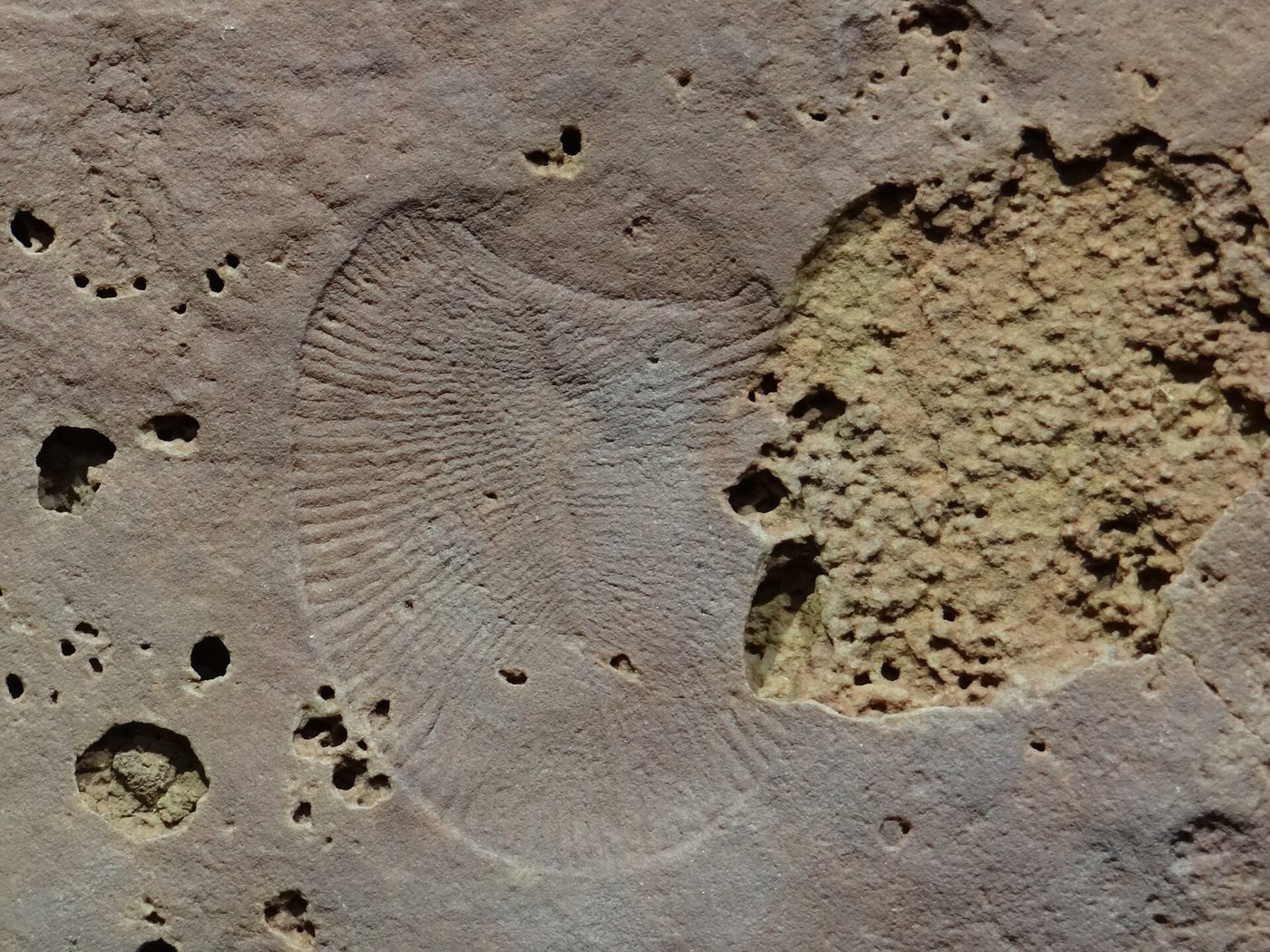
The oldest clear animal fossils are about 574 million years old. A new study says animals may be far older than that. Researchers led by the University of Oxford estimate the first animals evolved 800 million to 700 million years ago, Earth.com reported. The study appeared Oct. 2 in Science Advances, Yale said.
No older fossils were found. The case is about how scientists set dates. They use a "molecular clock," comparing genes in living species and working backward to when their ancestors split. The clock needs a ceiling, a time before which animals did not exist.
A common ceiling came from China's Weng'an Biota, a fossil bed about 590 million years old. Its rocks keep tiny life in fine detail but show no definite animals. So scientists assumed animals came later.
The new team tested that idea in Mongolia. The Kheseen Biota, by Lake Khuvsgul, formed when animals already lived in places like present-day Namibia. The team collected 143 rock samples from six sites. They found spiny spheres and embryo-like balls with cells inside. None was clearly an animal.
That empty rock matters. "The Kheseen Biota breaks the argument that the exceptional microfossils of Weng'an mean we would have seen animal fossils in the assemblage had they existed at the time," said senior author Ross Anderson of Oxford. Animals may be missing from a site simply because they did not live there, he told Earth.com.
So the team used older animal-free rocks from Australia, Norway's Svalbard and Arizona as the ceiling. That pushed the estimate back to about 746 million to 791 million years ago, Earth.com said. Chemical traces left by sponges also suggest animals lived by at least 650 million years ago.
The new date overlaps the "Snowball Earth" ice ages, when ice spread over the planet starting around 717 million years ago. Early animals were likely small and soft, which makes them hard to fossilize.
The authors are careful. "This analysis does not prove that animals existed 800 million years ago," said first author Orin Lole Durbin, now a Ph.D. student at Virginia Tech. Yale paleontologist Derek Briggs said more finds are needed.
What we know: Animal-free Mongolian rocks weaken a key ceiling on animal origins.
What we don't: Whether a true animal fossil older than 635 million years exists.
Where outlets agree Earth.com and Yale News both report the study puts animal origins at roughly 800 million to 700 million years ago, well before the oldest known animal fossils at 574 million years.
Where they differ Yale News frames the gap as 100 million to 200 million years or more, while Earth.com puts it at as much as 200 million years.