Yale team records a hidden brain region tracking uncertainty
For the first time, Yale researchers recorded single cells in the claustrum, a thin sheet of tissue hidden deep in the human brain. In seven epilepsy patients playing a spaceship game, the cells tracked doubt and surprise. The study came out Tuesday in Nature Neuroscience and may help explain attention and some mental illnesses.
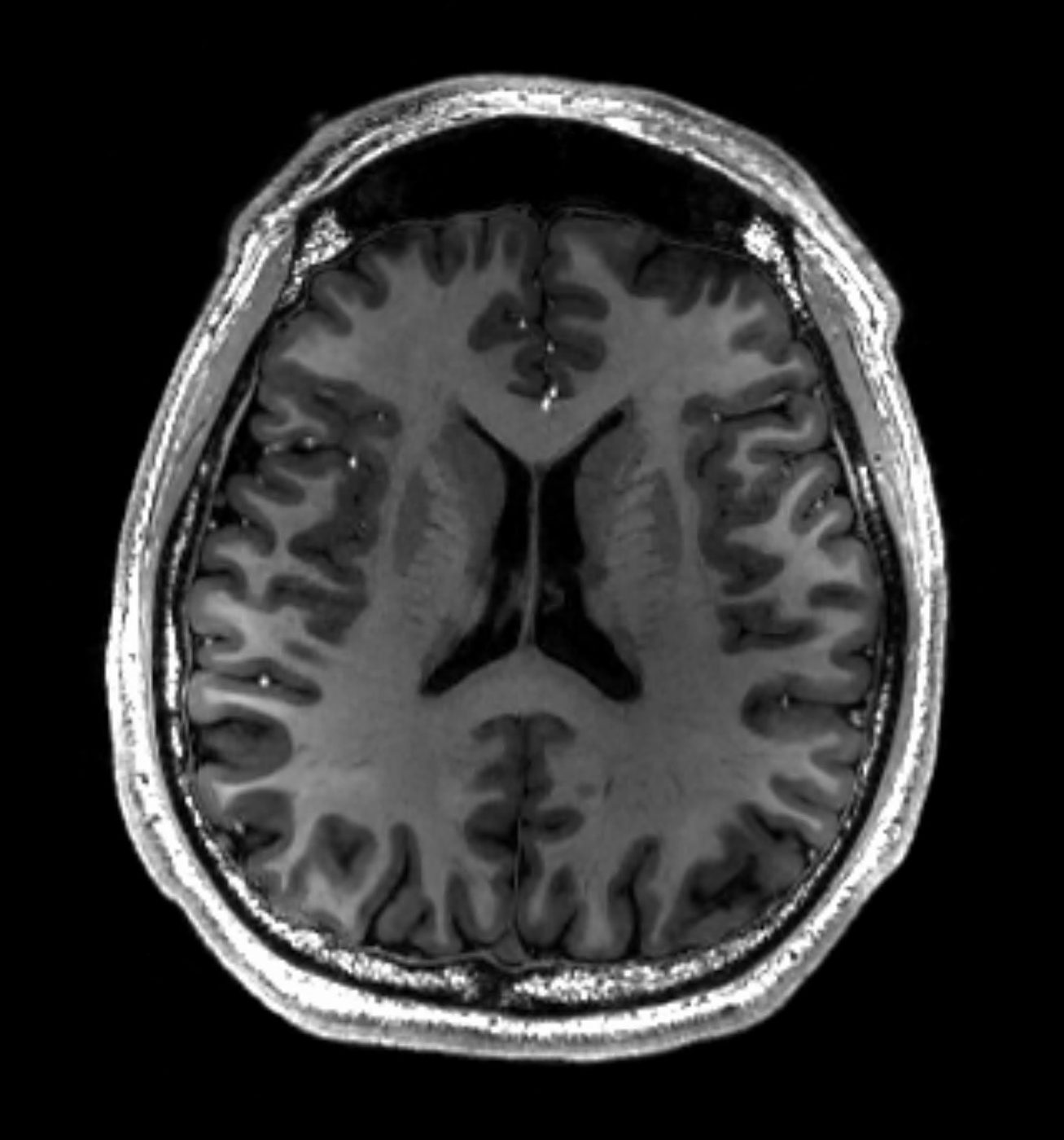
Deep in the brain sits a thin sheet of nerve cells called the claustrum. It is so small and hidden that scientists have struggled to study it. Now a Yale School of Medicine team has recorded single claustrum cells in people for the first time. The study was published Tuesday in Nature Neuroscience.
The volunteers were seven patients having epilepsy surgery. They already had electrodes in their brains so doctors could find where seizures start. Normal electrodes are too big for the claustrum, so the team used wires 40 micrometers wide at the tips. That is thin enough to listen to a single cell.
Then the patients played a game. Each steered a spaceship to dodge asteroids that came in unpredictable ways. Reacting fast was not enough, so they had to learn the safest paths. Of 110 claustrum cells recorded, 78 changed their firing during the game, the paper reports.
The cells did two jobs. Some fired when asteroids appeared and a crash looked close, then went quiet before the result. "As if it does not care about the outcome," said senior author Dr. Eyiyemisi "Yemi" Damisah, a Yale neurosurgeon. That looks like simple sensing. Other cells fired when players were unsure where to steer, and that pattern went with crashes.
Overall, the claustrum acted more like the anterior cingulate cortex, an area tied to higher thinking, than like the amygdala, which handles emotion. It was also more active during crashes than during clean escapes.
"Not only do the claustrum neurons track the simple things, but they also track higher-order cognitive things like uncertainty and prediction error that are driving behavior," Damisah said.
The region has long drawn interest. DNA pioneer Francis Crick and neuroscientist Christof Koch once proposed it plays a role in conscious experience. Animal studies gave mixed answers. In monkeys it filtered the senses. In reptiles it ran slow waves in sleep. In mice it shaped choices. In 2024, Damisah's team showed that human claustrum cells grow very active in deep sleep.
"It is the most connected region of the entire brain, yet it is also extremely easy to miss," Damisah said. She thinks it could shed light on attention, alertness and psychiatric disorders. The authors note limits: few patients, and all had epilepsy.
What we know: Human claustrum cells track uncertainty and surprise during learning.
What we don't: Whether it plays the role in consciousness that Crick proposed.
Where outlets agree The Nature Neuroscience paper and Yale's release both describe single-cell recordings in seven epilepsy patients showing claustrum cells track uncertainty and prediction errors.
Where they differ Yale's release ties the work to theories of consciousness, while the paper itself stresses limits, including few patients and possible sensory effects in the signals.