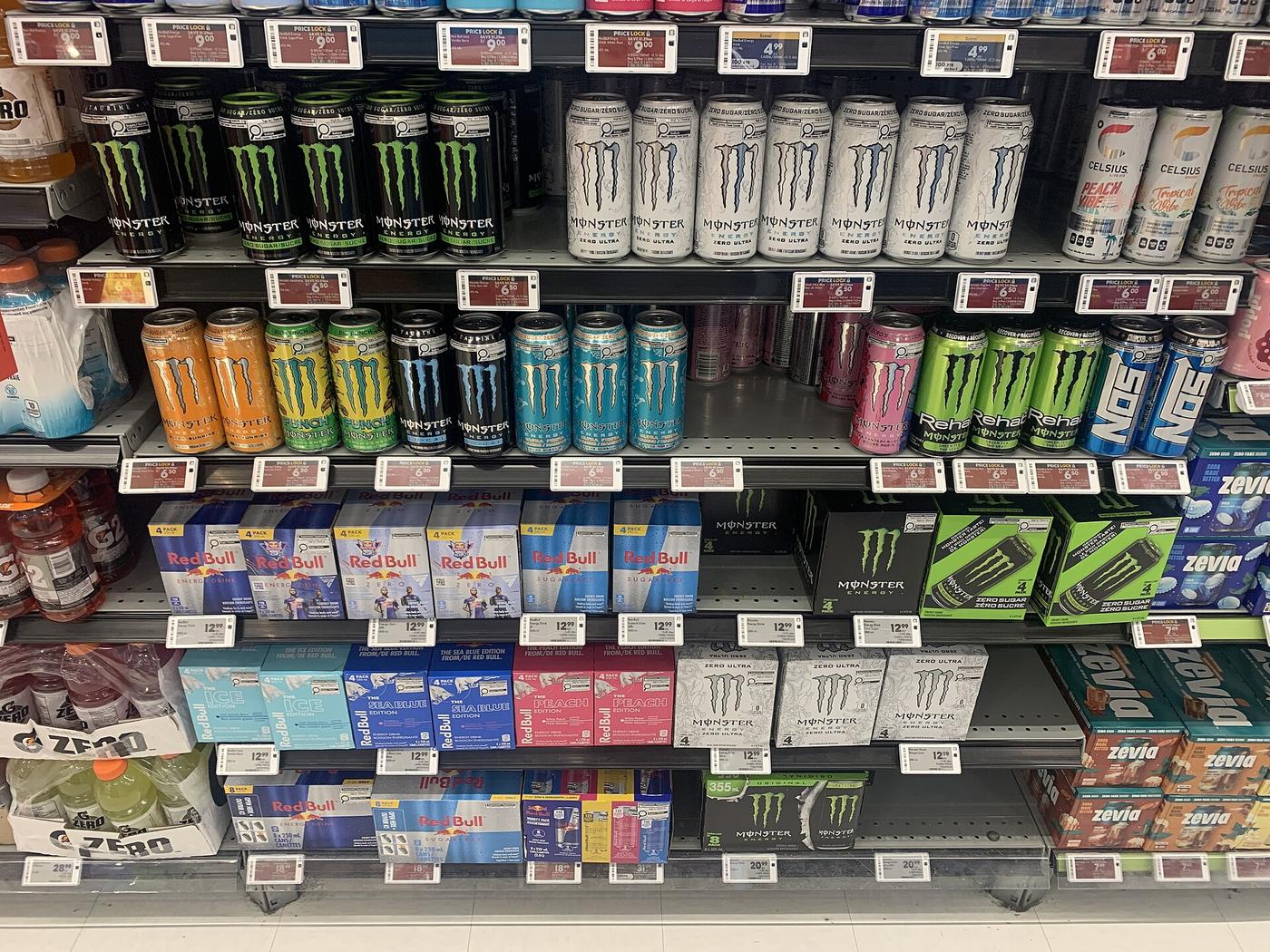
Study links energy drinks to more cardiac arrest reports
Energy drinks and stimulant supplements showed up far more often in federal reports of serious heart events, a preliminary study finds, HealthDay and NBC News report. It is due to be presented at a heart meeting and has not been reviewed by other experts. It used reports people sent in by choice, so it shows a link, not proof of harm.
Energy drinks and stimulant supplements may put young adults at greater risk for heart problems, including cardiac arrest, NBC News reports. The findings come from a preliminary study that will be presented at an American Heart Association meeting in Chicago, which runs from November 6 to 9, the group says. HealthDay reports the work is due to be presented on Saturday.
Researchers looked at 28,345 reports of health problems sent to the Food and Drug Administration from 2017 to 2025, the heart group says. The reports came from people ages 13 and older.
Cardiac arrest was reported about 11 times more often with caffeine and stimulant products than with products without them, the heart group says. Heart attacks were about 4.5 times more likely to be reported, and certain dangerous heart rhythms about four times more likely. About 45% of the reports that tied these products to heart events involved adults ages 18 to 34.
The study grouped products by ingredient, not by brand, the group says. The authors stress that the study can only show links. People sent in the reports by choice, and the study does not show how many people used the products with no problems.
“These products are marketed as everyday pick-me-ups and sold next to soda and bottled water, so most people assume they carry no real risk,” said study author Sai Samayamanthula, a medical student at the University of Virginia, in a release. “For many healthy people, if these products are consumed occasionally, the risk is probably small,” Samayamanthula said.
Gregory Marcus, a heart doctor at the University of California, San Francisco, was not part of the study. He said in the heart group’s release that “the study does not prove that caffeine products cause these events, because other factors may have influenced the results found in this analysis.”
What we know: The study has not yet been presented. In it, reports of serious heart events named energy drinks and stimulant supplements more often than other products.
What we don't: Whether the products caused the events, since the study is preliminary and not yet peer reviewed.
Where outlets agree The American Heart Association release on the preliminary abstract, which HealthDay and NBC News report on, links stimulant products to more reports of heart events.
Where they differ NBC News describes the research as already presented, while the heart group's release says it is to be presented at a meeting that starts November 6.