On this day in 1983, the US invaded Grenada
On this day in 1983, the US invaded Grenada after a coup and the death of leader Maurice Bishop, History.com and the Naval Institute said. Leaders said they acted to protect about 1,000 Americans living there. The mission was called Operation Urgent Fury.
On this day in 1983, President Ronald Reagan ordered US forces into Grenada in Operation Urgent Fury. History.com and a 1984 US Naval Institute Proceedings account by Lt. Col. Michael J. Byron both date the assault to the morning of October 25.
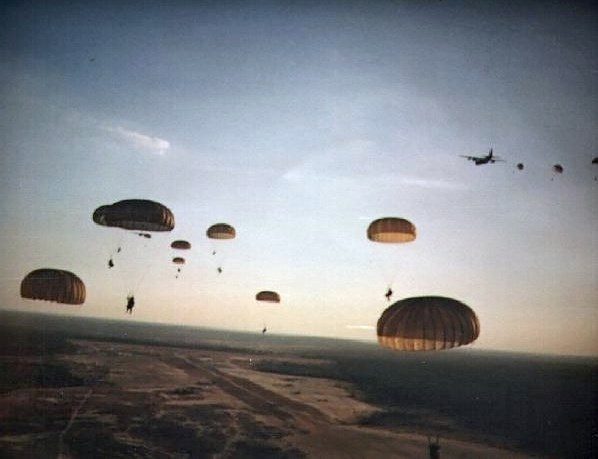
The crisis followed the 1979 rise of leftist Maurice Bishop and, in October 1983, a coup in which Bernard Coard’s faction killed Bishop and other leaders. Reagan cited danger to about 1,000 Americans on the island, many studying at the medical school, History.com reported. Joint Task Force 120 launched amphibious and airborne assaults to protect US and other foreign nationals and restore order, Byron wrote. Contingents from six Caribbean states joined US forces.
US troops met Grenadian forces and Cuban military engineers working on an airport. Intelligence was thin; some units used old tourist maps, History.com said. Combined US and Caribbean forces grew to nearly 7,600. Byron put US losses at 18 killed and 116 wounded, with 25 Cubans killed and 59 wounded among 784 Cubans found on the island. History.com said nearly 20 US troops were killed and more than 60 Grenadian and Cuban troops died. Byron also noted 24 Grenadian civilians killed, including 21 in the accidental bombing of a mental hospital. Forces evacuated 599 Americans and 80 other foreigners, Byron reported. Coard’s government fell within about a week.
The invasion drew sharp debate in Congress and at the United Nations even as most Americans on the island were evacuated safely. History.com notes that a new interim government took shape after combat ended.
What we know: Urgent Fury began October 25, 1983, after Bishop’s killing. US and Caribbean forces took the island in days.
What we don't: How historians still weigh the legal case for the invasion.
Where outlets agree History.com and the US Naval Institute date Operation Urgent Fury to October 25, 1983, after Maurice Bishop’s killing.
Where they differ The cited reports agree on the key facts so far.