Roman cave in Spain shows women's goddess cult
According to Smithsonian Magazine, a Spanish cave holds at least 110 Latin inscriptions from a Roman sanctuary site. Researchers say women left votives to a goddess called Domina. It is the largest such cave set they have logged so far.
According to Smithsonian Magazine, a research team has documented at least 110 Latin inscriptions. They appear on the walls and ceiling of a chamber deep inside Spain's Cova Dones cave. The magazine said researchers call it the largest known concentration of Latin texts in a Roman cave sanctuary. The chamber sits more than 650 feet into the cave.
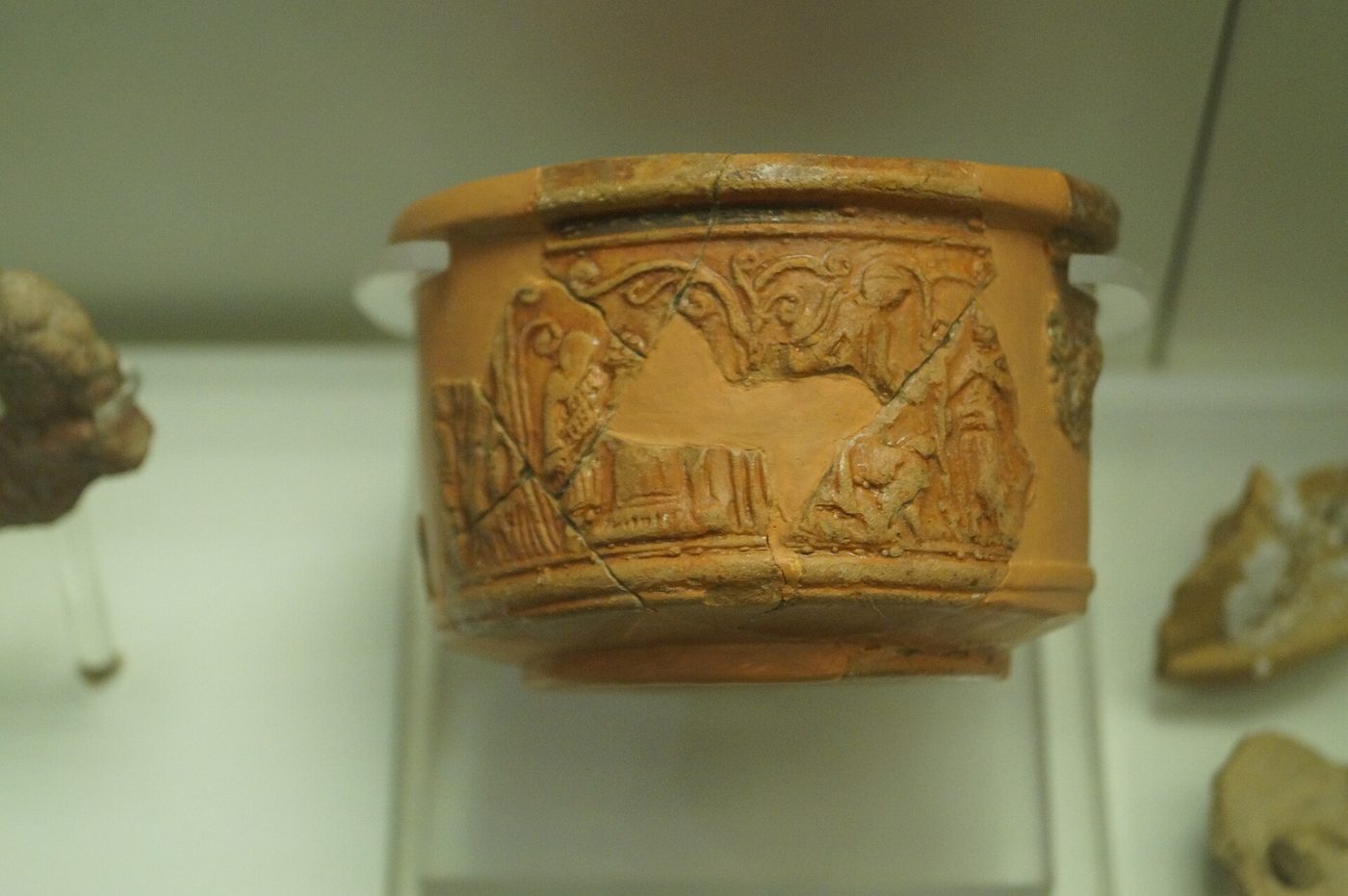
Five of the inscriptions are votive tributes to a goddess called Domina, or "the Lady." Researcher Silvia Alfaye Villa said that in a University of Alicante statement quoted by Smithsonian Magazine. Three texts also use the term MALACI. Alfaye Villa described it as a previously unknown name for a goddess still under study. Archaeologist Virginia Barciela said several female names appear among the texts. Surface finds include jewelry, chalice-shaped vessels, ceramic fragments, animal bones, and spindle whorls. Smithsonian Magazine reported those finds.
Earlier work had already flagged Paleolithic art in the cave. A smaller set of Roman texts and a first-century Claudian coin were also known. The new reading frames the chamber as a sanctuary. Women appear to have taken an active role there about 2,000 years ago.
Cova Dones sits in eastern Spain and was already known for ancient art. The Roman layer adds a new chapter about who used the deep chamber. Smithsonian Magazine stressed that women's names and spindle whorls support a female-led cult reading. The Domina title is respectful rather than a full personal name. Dig teams say more study of MALACI is still ahead.
The find adds to a wider push to map Roman religion outside big cities. Cave sanctuaries are rare and hard to reach, which helps preserve wall texts. Smithsonian Magazine relied on the Alicante and Zaragoza research team for quotes. No second major outlet has yet matched the 110-inscription count. That is why this card stays single-source.
What we know: Smithsonian Magazine reports at least 110 Latin cave inscriptions tied to Domina worship with strong signs of women's participation.
What we don't: Only Smithsonian Magazine has reported this so far; NewsHabit hasn't seen independent confirmation. The full meaning of MALACI, and how the cult fits wider Roman religion in Iberia, remain open.
Where outlets agree Smithsonian Magazine reports the largest known set of Latin inscriptions from a Roman cave sanctuary at Cova Dones.
Where they differ The cited reports agree on the key facts so far.