Guinea-Bissau denies approving U.S.-funded hepatitis B vaccine trial in newborns
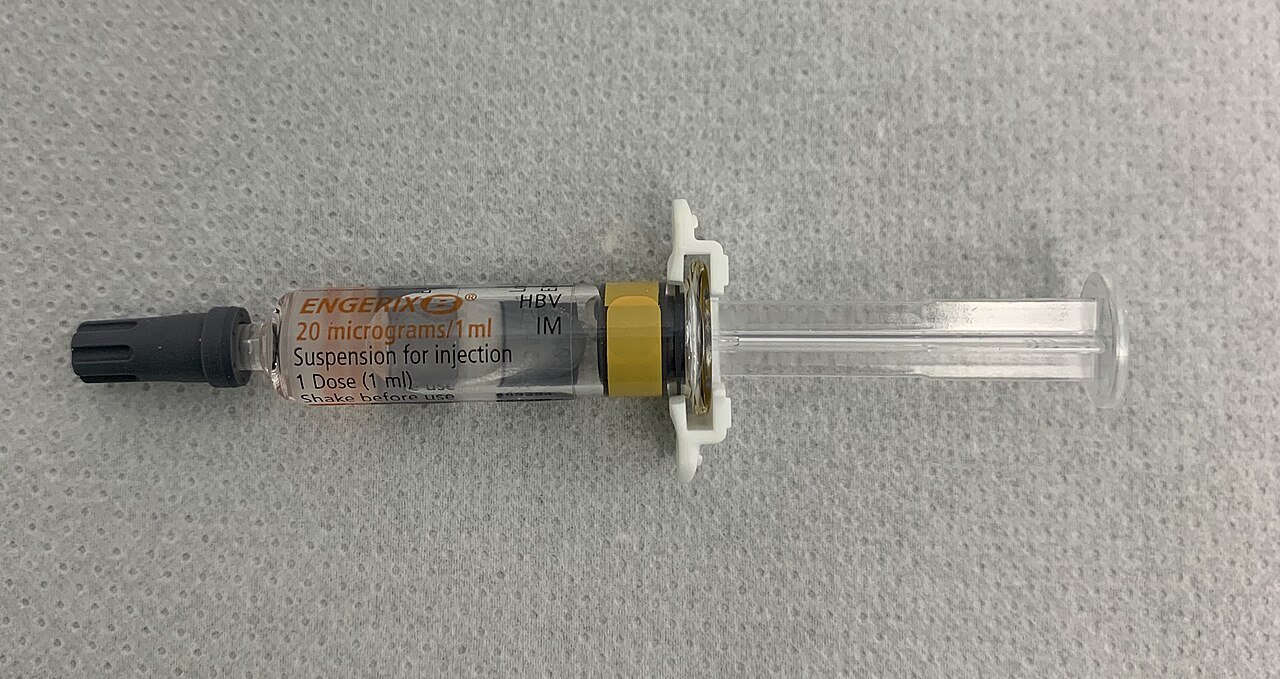
Guinea-Bissau's health minister says the country never approved a U.S.-funded study of hepatitis B shots at birth, The Guardian and DW reported. A Danish ethics panel was informed that it had been approved, The Guardian reported. The minister, Quinhin Nantote, said the study is canceled, DW reported.
Guinea-Bissau's government says it never authorized a planned study of the hepatitis B vaccine given at birth to newborns, a trial backed by U.S. funding, The Guardian and DW reported. Health Minister Quinhin Nantote, speaking in Portuguese, said the ministry "did not authorize the tests under the terms presented in the publications currently in circulation," according to The Guardian's translation. Nantote called reports of an approval disinformation, DW reported in Portuguese, and DW quoted him as saying the study "está cancelado" (translated: "is canceled").
Members of a Danish research ethics committee were informed that officials in Guinea-Bissau had approved an updated study design, which influenced some members' votes to let the trial proceed, The Guardian reported. At least four committee members resigned after the approval was fast-tracked, The Guardian reported. The U.S. Department of Health and Human Services said in a statement that "the study has not been approved," The Guardian reported, citing Reuters.
The study would enroll about 14,000 newborns, The Guardian and DW reported, with half getting the vaccine at birth and half going without it for their first six weeks, according to The Guardian. The Guardian cited reports that the U.S. Centers for Disease Control and Prevention set aside $1.6 million for the trial this year, and DW also reported $1.6 million in U.S. funding. The World Health Organization considers the research unethical, DW reported.
BK Titanji, a researcher at Emory University, called the pushback "reassuring," The Guardian reported. "A study like this one needs the highest level of ethical scrutiny," Titanji said, according to The Guardian. Bubacar Turé, president of the Guinea-Bissau Human Rights League, said children's health is a matter of human rights and national interest, DW reported, in remarks translated from Portuguese. The researchers behind the Bandim Health Project did not respond to questions from The Guardian or DW.
Nantote said Guinea-Bissau remains committed to adding the hepatitis B birth dose in line with WHO guidance, DW reported. DW quoted him citing both 2027 and 2028 as target years.
What we know: Guinea-Bissau's health minister says the government never approved the newborn hepatitis B trial and has called it canceled.
What we don't: Whether the U.S. or Danish backers will try to move the study forward elsewhere.
Where outlets agree The Guardian and DW report that Guinea-Bissau's health minister denied the government had authorized the newborn hepatitis B trial.
Where they differ The outlets cited here report the same key facts so far.