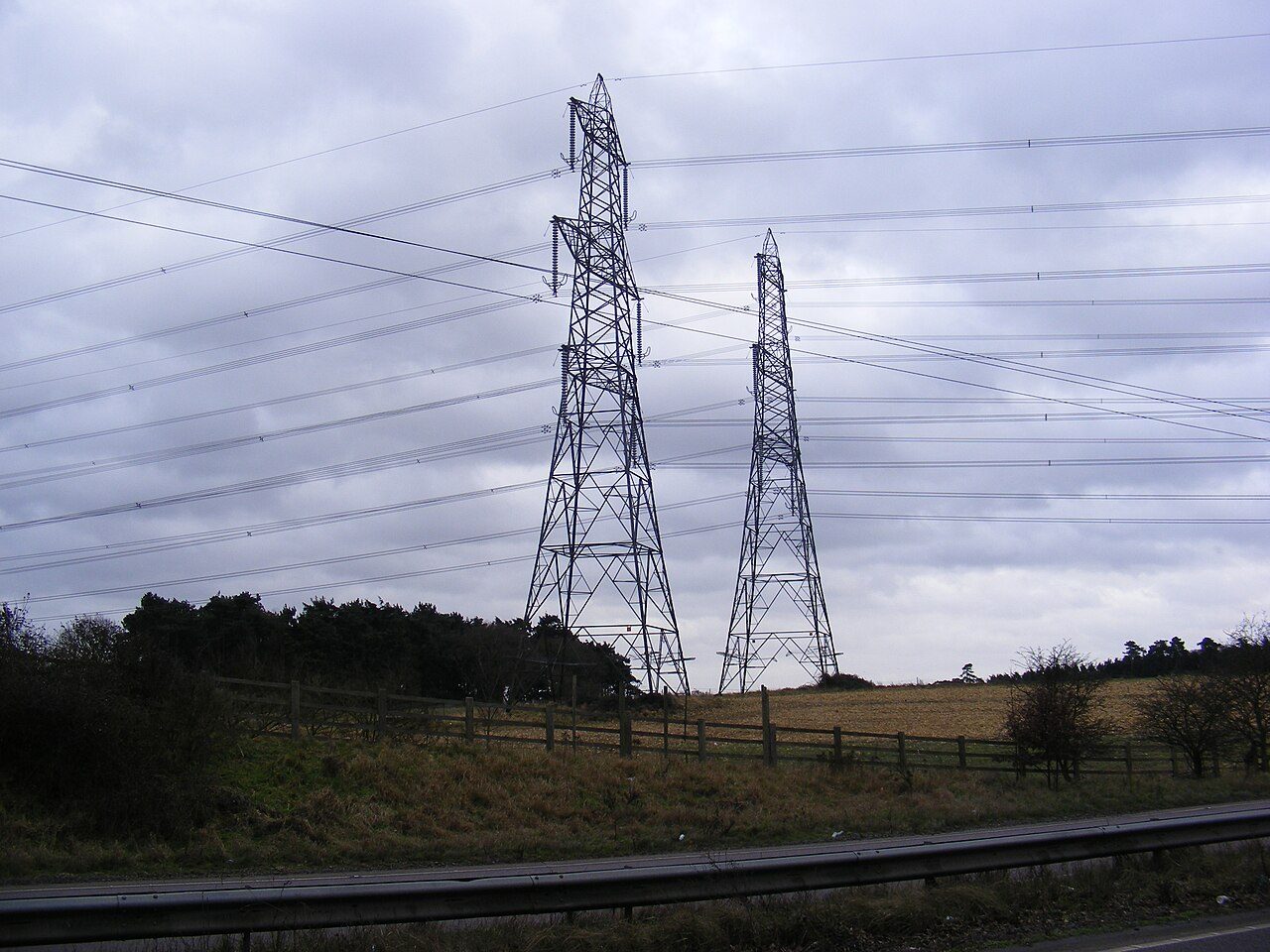
Grid bottlenecks force Britain to pay wind farms to switch off
Britain's grid operator paid £47.9 million on Wednesday to switch off wind farms and turn on gas plants elsewhere, The Guardian reported. Energy Voice reported that the strain comes from limits on moving power around the country, not a power shortage. The operator also asked France for emergency power twice in four days.
Great Britain's National Energy System Operator, known as Neso, paid £47.9 million on Wednesday to turn off wind farms in areas with too much electricity and turn on gas plants where supplies were tight, The Guardian reported. The costs are passed on to household energy bills and were some of the highest since early 2022, the paper reported.
Balancing costs reached £505 million in September, the highest monthly total recorded, and are expected to reach £3.2 billion over the next year, The Guardian reported. Wind and hydropower plants with about 9 gigawatts of capacity were paid not to generate on Wednesday, according to the consultancy LCP Delta, the paper reported.
Energy Voice reported that North Sea wind projects offered to cut output on Wednesday, while gas plants closer to demand in the south offered to run at prices as high as £319 per megawatt-hour. Neso has typically spent £5 million to £10 million a day on balancing this year, the outlet reported.
Neso asked France for emergency help on Oct. 9 and again on Oct. 12, Energy Voice reported. On Oct. 12, Neso said "network constraints prevented enough power reaching London and the surrounding region," according to Energy Voice. The Guardian described the requests as "last resort" help.
"It's the age-old story of a lack of infrastructure to transport power to where it's needed, leading to lots of windfarms being turned off," said Shivam Malhotra, head of power trading at LCP Delta, according to The Guardian.
A Neso spokesperson said Britain's energy supplies were "secure" during both calls for help and that the incidents were "not signs of a wider problem with Britain's electricity system," The Guardian reported. The spokesperson said the biggest chance to cut balancing costs is faster building of new lines by transmission owners. A Neso representative said a resilient system "will also require continued investment in the transmission network," Energy Voice reported.
What we know: Britain paid £47.9 million on Wednesday to balance its grid, and Neso twice asked France for emergency power.
What we don't: When new transmission lines will ease the bottlenecks.
Where outlets agree The Guardian and Energy Voice both report that grid bottlenecks are forcing Britain to pay wind farms to switch off while paying gas plants elsewhere to run.
Where they differ The outlets cited here report the same key facts so far.