Hole in Neanderthal shoulder blade may be oldest wooden-spear wound
A round hole in the shoulder blade of a Neanderthal from a cave in Iraqi Kurdistan may be the oldest sign of a human ancestor killed by a wooden spear. The Neanderthal died 75,000 years ago, BBC News reported. It is not clear if it was an attack or a hunting accident, the Guardian said.
A smooth, round hole in the shoulder blade of a Neanderthal who died long ago in what is now Iraqi Kurdistan may be the oldest evidence of a human ancestor being killed by a wooden spear, BBC News and the Guardian reported.
The Neanderthal died 75,000 years ago, BBC News reported. The Guardian said the death came more than 70,000 years ago. The findings were published in the journal Scientific Reports.
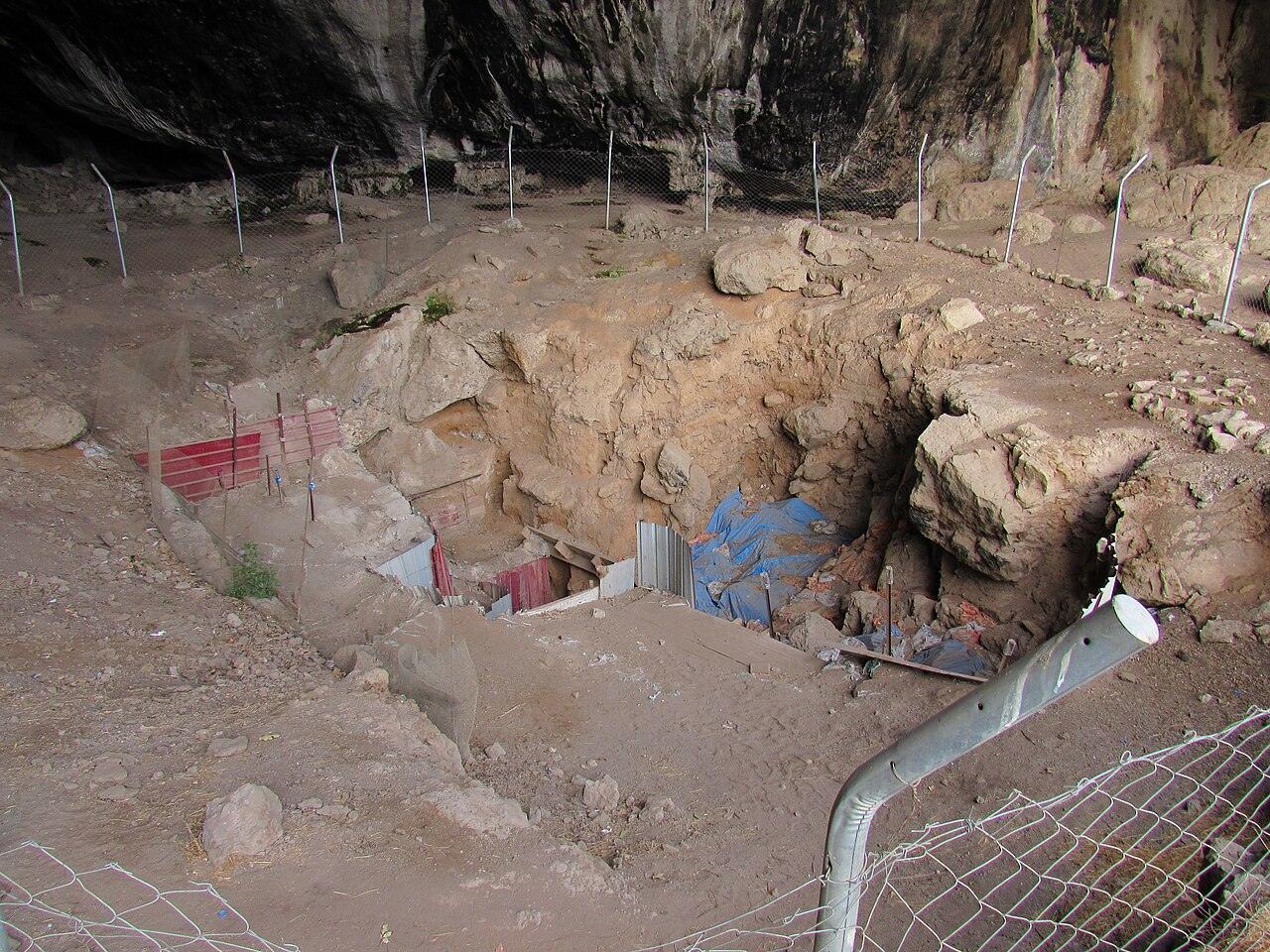
Archaeologists found the partial remains in Shanidar Cave under nearly 8 meters of rock and sediment, the Guardian reported. They included the left shoulder blade, a near complete right hand, ribs and some teeth. The adult was about 45 years old.
The hole is about 1.5 centimeters wide, with three fractures spreading out from it, the Guardian reported. Researchers think the spear entered the chest and passed through the body, probably damaging a lung and major blood vessels, before leaving through the shoulder blade, BBC News reported.
"It is not the kind of break that you would get naturally, because it is so circular," said Dr. Emma Pomeroy of the University of Cambridge, the study's lead author, BBC News reported. "Experiments with reconstructed wooden spears produce very similar round holes in bone."
Whether it was a hunting accident or an attack is impossible to know, the Guardian reported. Pomeroy told the Guardian the position of the wound pointed to a "kill shot" at the heart. "I don't think that's something you do accidentally," she said. Co-author Chris Hunt said, "Conceivably it was a hunting accident."
Prof. Chris Stringer of the Natural History Museum in London, who was not involved, told the BBC an attack seemed more likely, "given the positioning and extent of the wound."
The Neanderthal was in bad shape before the fatal blow, the Guardian reported. A split lower tooth suggests a severe hit to the face, Pomeroy said.
What we know: The hole fits a wooden spear wound that was almost certainly fatal.
What we don't: Whether the Neanderthal was killed by another person or in a hunting accident.
Where outlets agree BBC News and the Guardian both report that a round hole in a Shanidar Cave Neanderthal's shoulder blade may be the earliest evidence of a death by wooden spear.
Where they differ The outlets cited here report the same key facts so far.