Bristol eel deaths linked to firewater from industrial blaze
About 50 critically endangered eels died in a Bristol brook after a nearby factory fire, BBC News reported. England's Environment Agency says chemicals from the water used on the fire flowed into the stream. A local group says the woods by the brook now have almost no wildlife.
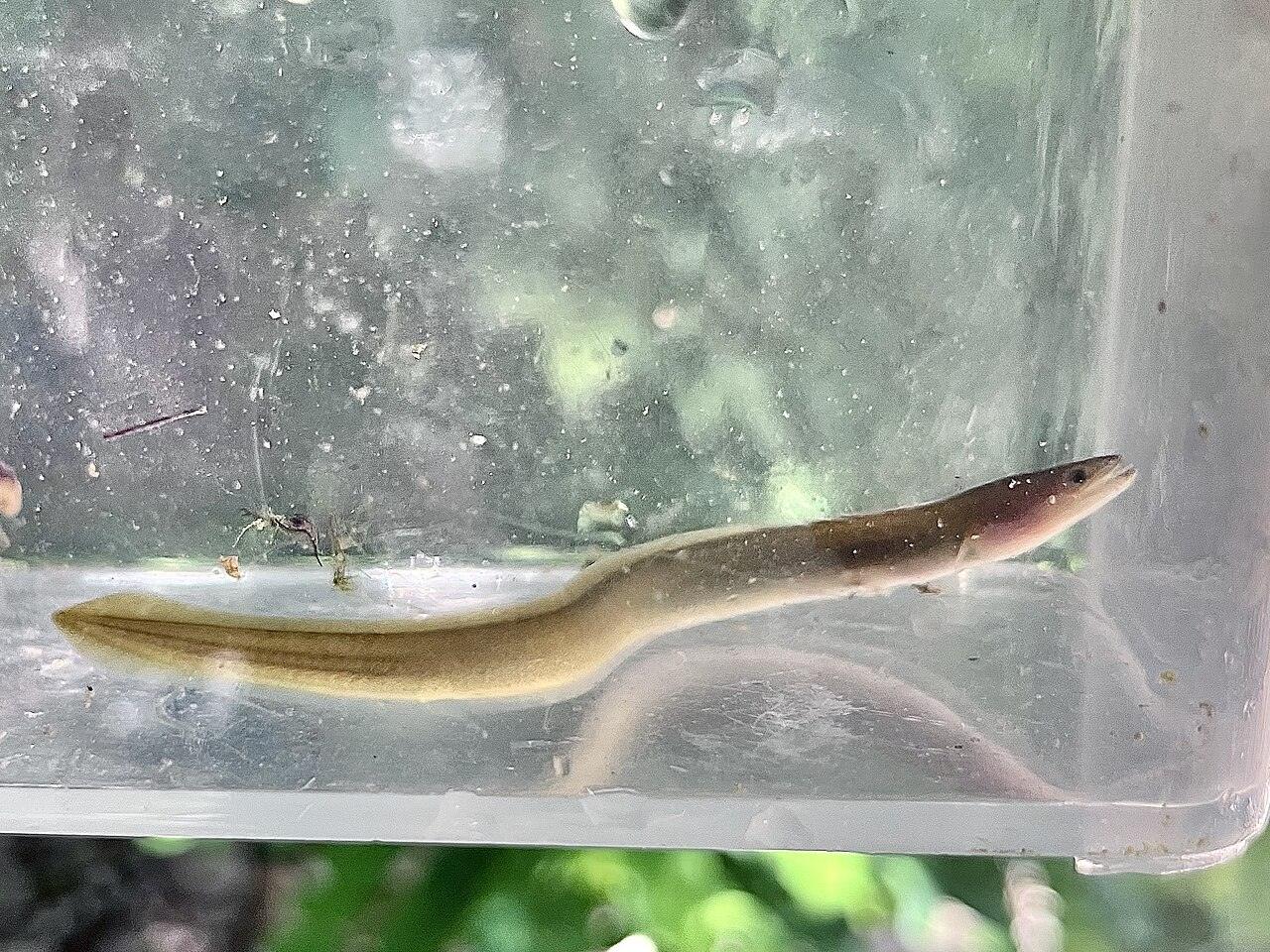
About 50 critically endangered European eels died in Brislington Brook in south Bristol after a large fire at a nearby industrial estate, BBC News reported.
The blaze broke out on Sept. 1 at a unit on Emery Road, Bristol Live reported. It was big enough that residents had to leave their homes, and at its height 16 fire crews were there, the paper reported.
England's Environment Agency has now said that sampling "confirmed that chemicals from the firewater runoff entered the brook and spread downstream," both outlets reported. Firewater is the water used to fight a fire after it mixes with whatever is burning.
The agency did not directly blame the fire for the deaths, BBC News reported. It said firewater incidents are complex and that the eel deaths "may have resulted from a combination of factors," including several chemicals acting together.
Bristol Live reported that the agency's first findings describe the runoff as a mix of foam and water. Avon Fire and Rescue Service told both outlets that no firefighting foam was used. The fire service said it blocked drains and contained runoff where it could.
Jackie Friel, acting chair of Friends of Brislington Brook, said someone must be held to account. "Somebody is culpable, we need to have accountability," she told BBC News. She wants a fire impact report and said the owner of the disused unit where chemicals were stored should also answer for it.
Friel told Bristol Live the dead eels were yellow eels that had lived in the brook for years and were nearly ready to swim back to the Sargasso Sea to spawn. She said birds and foxes have since left the valley. "The woods are bereft of life," she told BBC News.
The Environment Agency said it is still investigating, Bristol Live reported.
What we know: Chemicals from the fire's runoff reached the brook, where about 50 eels died.
What we don't: Exactly which pollutants killed the eels, and whether foam was part of the runoff.
Where outlets agree BBC News and Bristol Live both quote the Environment Agency saying chemicals from the firewater runoff entered the brook and spread downstream.
Where they differ The outlets cited here report the same key facts so far.