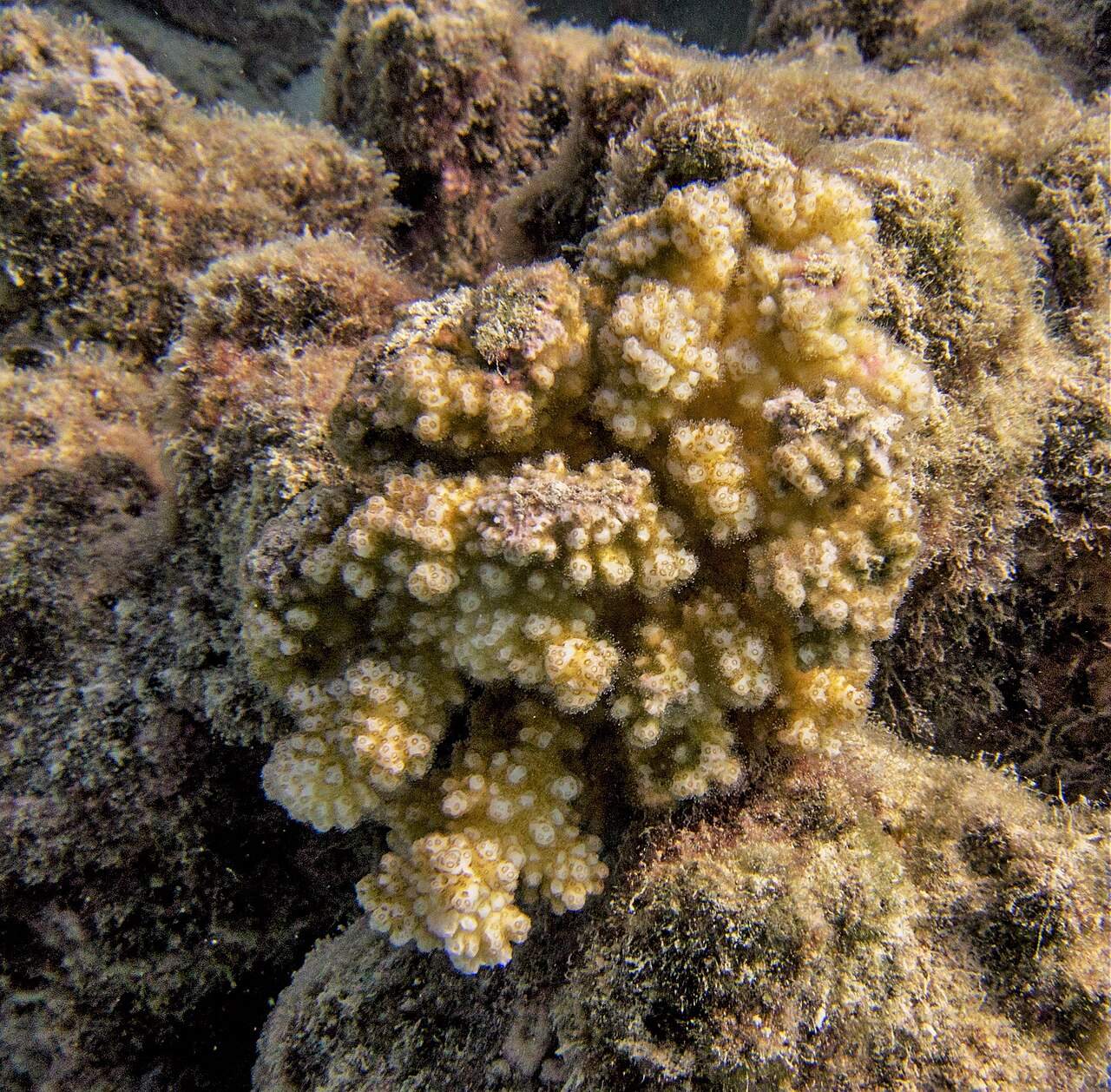
Bleached coral bounces back after touching a healthy clone
Bleached coral recovered fast after it touched a healthy piece from the same colony, Science and ABC News reported. The two pieces fused and passed helpful algae across. The Stanford lab study appeared in Science Advances, but the method is not yet ready for wild reefs.
Bleached coral can recover in weeks if it touches a healthy piece of the same coral colony, Science and ABC News reported. The Stanford University study was published in Science Advances.
When the water gets too hot, coral pushes out the tiny algae that live inside it and give it food. This is called bleaching. Bleached coral usually dies or recovers slowly over months or years, Science reported.
Stanford marine biologist Stephen Palumbi found the effect by accident, Science reported. In his lab, a bleached chunk of coral ended up resting against a healthy chunk from the same colony. The bleached piece soon began to regain its color.
Ph.D. student Danny Collins then ran a series of tests with cauliflower coral, Science reported. When the healthy piece came from a different colony, the method failed. The coral attacked the stranger with tiny stinging parts, and those bleached corals died.
When pieces from the same colony touched, their tissue merged into a kind of bridge, Science reported. After a week of contact, algae poured across and began to double about every four days. That is up to 10 times faster than on bleached reefs.
Bleached pieces that touched a genetically identical healthy piece recovered in about seven weeks, ABC News reported. Pairs kept a few millimeters apart showed "basically no recovery," Collins told ABC News. "Bleached corals aren't a lost cause," he said.
"This is one of those methods that had never occurred to people," said Andrew Baker, a University of Miami coral biologist who was not involved, Science reported. He noted that treating every colony on a reef is not realistic.
Because the method needs contact between clones, it likely won't scale up in the wild, Collins told ABC News. He said scientists could instead try extracting the algae from healthy coral and giving them to bleached coral.
The last global bleaching event exposed an estimated 84% of the world's coral reef area to bleaching-level heat stress, according to NOAA, ABC News reported.
"The real solution will be trying to make sure that these corals then don't bleach," Collins said, ABC News reported.
What we know: In lab tests, bleached coral recovered in weeks after touching a genetically identical healthy piece.
What we don't: Whether the method, or a way to deliver the algae without contact, can work on wild reefs.
Where outlets agree Science and ABC News both report that the method worked only between genetically identical pieces of coral.
Where they differ The outlets cited here report the same key facts so far.