On this day, 1913: Explosion kills 439 miners in Wales
On this day in 1913, an explosion at a coal mine in Senghenydd, Wales, killed 439 men and boys who worked underground. One rescuer also died, bringing the toll to 440. It is still the worst mining disaster in all of British history.
On this day in 1913, an explosion tore through the Universal Colliery, a coal mine in the village of Senghenydd in South Wales, killing 439 miners, the Caerphilly Observer and the Northern Mine Research Society report.
One man who was helping in the rescue died the next day when stone fell on him while he was fighting a fire underground, the Northern Mine Research Society says. That brought the death toll to 440.
It was, and remains, the worst mining disaster in British history, both sources say.
The mine was at the head of the Aber Valley, about 12 miles from Cardiff, the Northern Mine Research Society says. It produced about 1,800 tons of coal a day.
The explosion happened on the morning of Tuesday, Oct. 14, the society says. Most of the men killed died in the blast or from the poisonous gases left behind, known as afterdamp. Eleven bodies were left buried in the mine.
The same mine had suffered an explosion in 1901 that killed 81 people, the Caerphilly Observer reports.
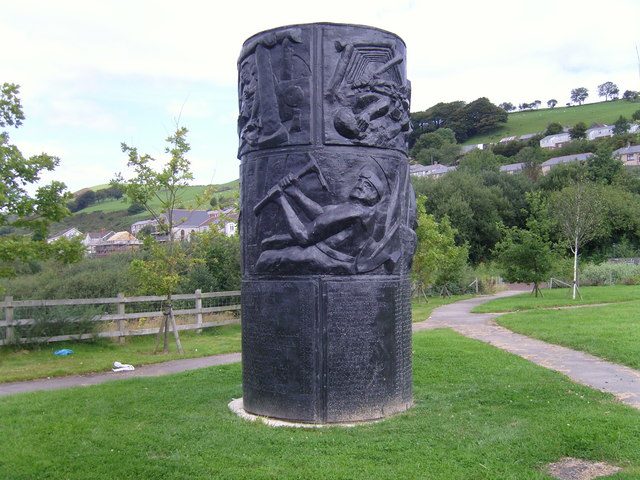
Today, the site of the disaster is home to the National Mining Disaster Memorial for Wales, the Observer reports.
Each year on Oct. 14, people gather there to remember the dead. At last year's service, marking 112 years, local councillor Lindsay Whittle said his great-grandfather survived the 1901 disaster but was killed in 1913, the Observer reports.
"We just don't want the village and the world to forget the biggest mining disaster in Britain," Whittle said, according to the Observer.
"The men that were killed must never be forgotten," said Jill Jones of the Aber Valley Heritage Group, the Observer reports.
What we know: The blast killed 439 miners, and a rescuer died the next day.
What we don't: The full list of names, which the official report did not give.
Where outlets agree The Caerphilly Observer and the Northern Mine Research Society both say the Oct. 14, 1913, explosion killed 439 miners and was the worst mining disaster in British history.
Where they differ The outlets cited here report the same key facts so far.