Nearly all viruses in Pacific deep-sea mining zone are new to science
Scientists found 11,742 kinds of viruses in mud from a part of the Pacific seabed that miners want to dig up, Interesting Engineering reported. More than 99% had never been seen before. ScienceAlert said the work gives a record of life there before any mining starts.
Scientists have found thousands of viruses in the mud of a huge stretch of Pacific seabed that miners hope to dig up, Interesting Engineering reported. Nearly all of them are new to science.
The team studied mud from the Clarion-Clipperton Zone, which lies between Mexico and Hawaii, the outlet said. The seabed there is up to about 6,000 meters, or 19,700 feet, deep. The team found 11,742 kinds of viruses. Of those, 11,662, or more than 99%, had never been recorded before, Interesting Engineering reported.
The researchers work at Chongqing University and a Chinese ocean science institute, ScienceAlert reported. Their study, led by Bowen Hou, was published Sept. 29 in the journal Nature Communications. The paper says more than 99% of the viral groups it found are not in current reference databases.
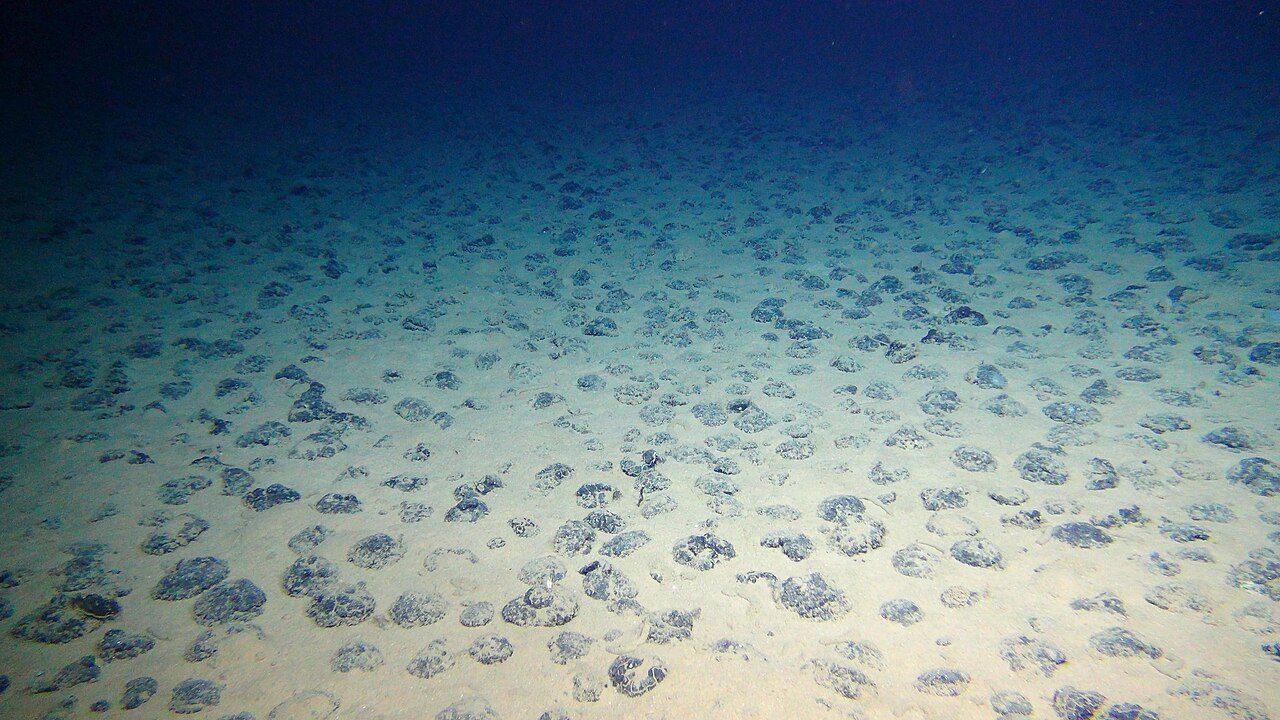
The seafloor there is covered with potato-sized lumps of metal-rich rock, Interesting Engineering reported. Both outlets said the lumps hold metals such as cobalt, nickel and manganese, which are used in batteries and electronics.
A global seabed agency has handed out 17 permits to explore the zone, and China holds five of them, both outlets reported.
Most of the viruses infect bacteria and other tiny microbes, Interesting Engineering said. They pose almost no threat to people. The microbes help recycle carbon, nitrogen, sulfur and metals on the seafloor. Some of the viruses carry genes that may help their hosts live with toxic metals, ScienceAlert reported.
The researchers describe their survey as a "vital pre-mining baseline of microbial ecosystem for future environmental impact assessments," ScienceAlert reported.
"Mining activities will induce physical disturbance, resuspension, and redeposition of surface sediments," the authors wrote, according to ScienceAlert. They added that the effects of such disturbance "can persist for decades."
Interesting Engineering said clouds of mud stirred up by mining machines could kill off the bacteria and upset the flow of nutrients on the seabed.
What we know: More than 99% of the 11,742 viruses found there were new to science.
What we don't: How these viruses would fare if mining goes ahead.
Where outlets agree Interesting Engineering and ScienceAlert both report that 11,742 distinct viruses were found in Clarion-Clipperton Zone sediment and that about 99% were new to science.
Where they differ The outlets cited here report the same key facts so far.