UK wild bird numbers fall to lowest level on record
Official figures released on Tuesday show that UK wild bird numbers have fallen to their lowest level since records began. Average populations across 132 native breeding species fell 19% between 1970 and 2025. Farmland birds and seabirds have been hit hardest, while red kites and cranes are increasing.
Wild bird numbers in the UK have fallen to their lowest level since records began, according to official figures reported on Tuesday, Oct. 13; conservation groups compiled the figures for the government. They show average numbers across 132 native breeding species fell 19% between 1970 and 2025, The Guardian and Countryfile reported.
Farmland birds have fared worst over the long run, and they are down 63% since 1970, Countryfile said. Turtle doves and tree sparrows had the steepest falls. Woodland birds are down 32%, and the willow tit has lost 97% of its numbers.
The recent trend is also poor; of the 132 species, 45% declined over the past five years and just 27% rose, The Guardian reported. Seabirds fell by more than a fifth in that time. A British Trust for Ornithology scientist said bird flu had "decimated" species such as Arctic skuas and terns, The Guardian reported. Swifts dropped about 25% in five years.
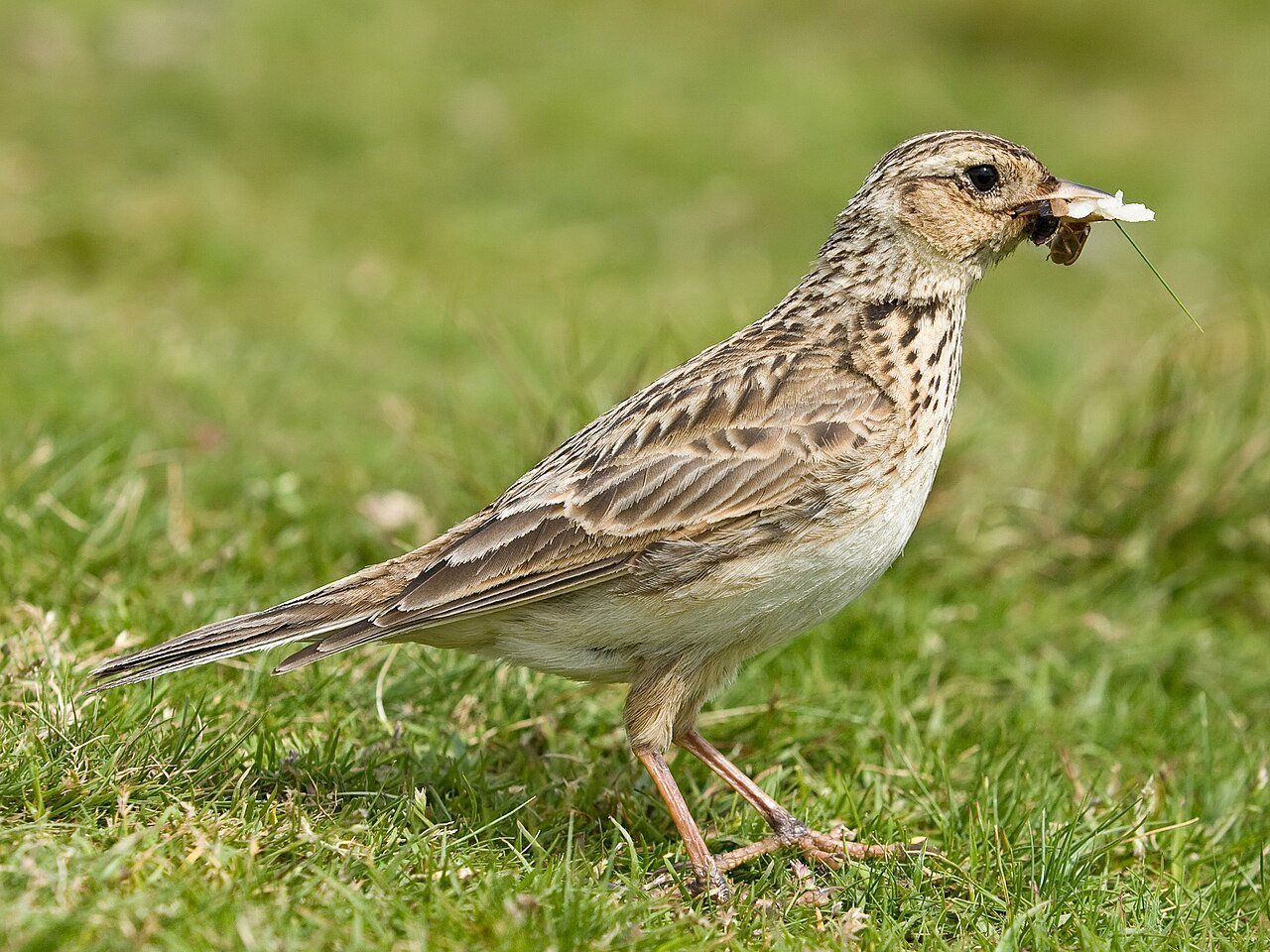
Richard Gregory, head of monitoring at the RSPB, called the findings "shocking and sobering," The Guardian reported. He warned that the songs of skylarks and yellowhammers could become only "memories" of the countryside.
Despite the overall decline, several species are recovering strongly. Red kites are up 48% since 2019, and firecrests have risen 300%. Cranes have grown to 87 breeding pairs after coming back from local extinction. Gregory said this shows that focused conservation work can succeed, but it needs more money and much larger areas.
A spokesperson for the Department for Environment, Food and Rural Affairs said the government is supporting farmers to manage their land in ways that benefit farmland birds, and is working with fishers to prevent the accidental capture of seabirds.
What we know: UK bird numbers are at a record low, and farmland birds and seabirds are falling fastest.
What we don't: How much new funding, if any, the government will commit.
Where outlets agree The Guardian and Countryfile both report that UK breeding bird numbers fell 19% between 1970 and 2025.
Where they differ The outlets cited here report the same key facts so far.