Panama closes schools Monday as quake aftershocks pass 200
Panama has recorded more than 200 aftershocks since Friday's 7.7-magnitude earthquake, and schools across the country are closed Monday. No deaths have been reported, but at least 27 people were hurt. The government declared a national emergency, freeing up to $100 million for relief in the hardest-hit central provinces.
Panama has recorded more than 200 aftershocks since a 7.7-magnitude earthquake struck on Friday, and schools across the country are closed Monday. No one has died, but at least 27 people were injured.
"We have already recorded more than 200 aftershocks, and they are continuing, but their magnitude is decreasing," Nestor Luke of the University of Panama's Institute of Geosciences told Reuters.
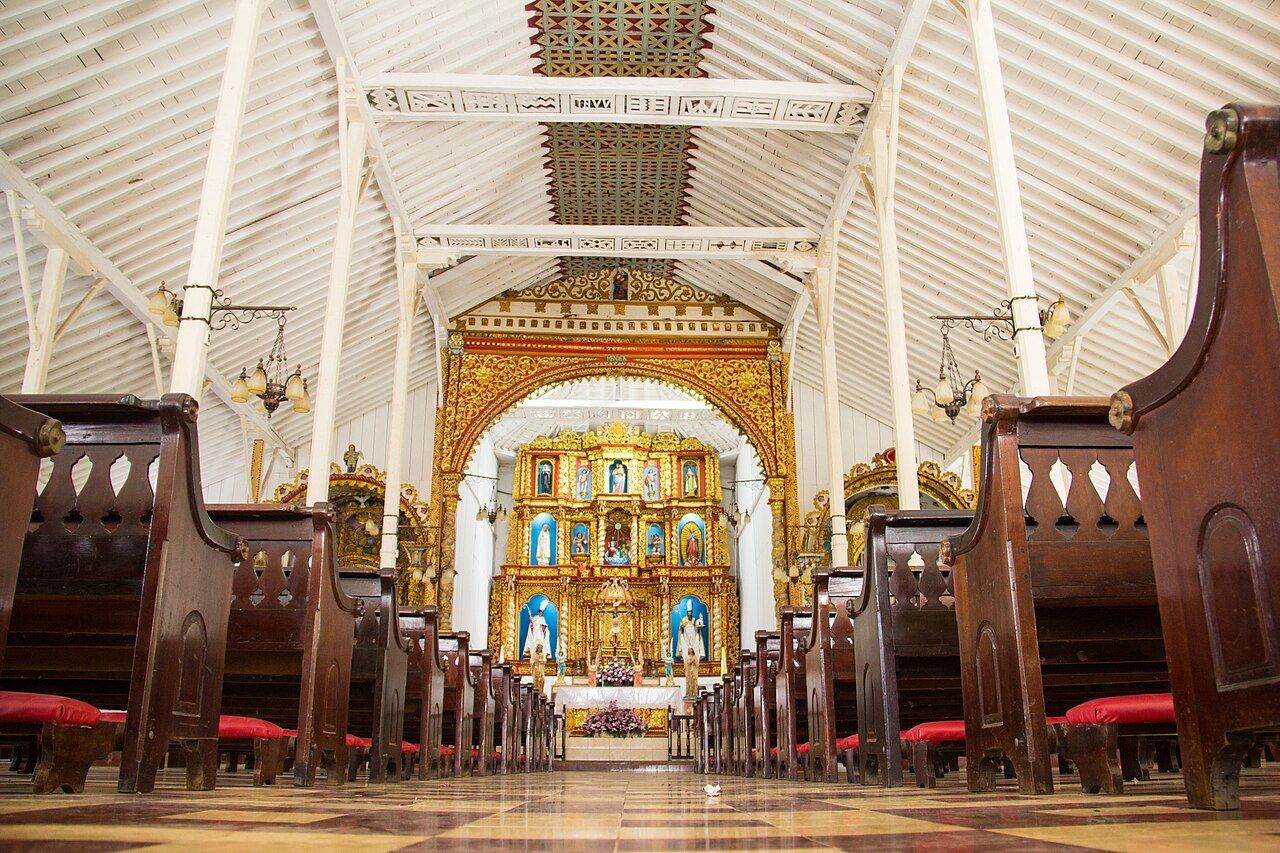
Friday brought two powerful quakes, measuring 7.7 and 6.6, which hit hardest in the central provinces of Veraguas, Herrera, Cocle and Los Santos. In La Villa de Los Santos, a colonial-era town, homes and a historic Catholic church collapsed. Some families slept in the streets.
"In my 90 years, I had never experienced anything like it," Tony Jimenez told reporters, sitting under a tent near his damaged home.
The government declared a national state of emergency on Saturday. Reuters reported that the move lets it spend up to $100 million on relief. President Jose Raul Mulino visited damaged areas and called for fast repairs to roads and bridges. At least 14 bridges were damaged. Some towns are still cut off by landslides.
Emergency authorities say nearly 900 homes were damaged and the count could rise, Reuters reported, up from about 420 in an earlier civil protection tally cited by The Guardian. The Panama Canal stayed open.
The United States pledged $5 million and sent a disaster team. U.S. military helicopters delivered about 2,000 pounds of food. A seismologist in Mexico told reporters that Panama's strict building codes may explain why no one died.
What we know: More than 200 aftershocks have followed Friday's quake, at least 27 people were hurt, no one has died, and schools are closed Monday.
What we don't: The full count of damaged homes, and when cut-off towns will get road access back.
Where outlets agree The Guardian and Reuters both report a national state of emergency, at least 27 injuries and no deaths after Friday's 7.7-magnitude quake.
Where they differ The outlets cited here report the same key facts so far.