September was Earth's second-warmest on record, EU climate monitor says
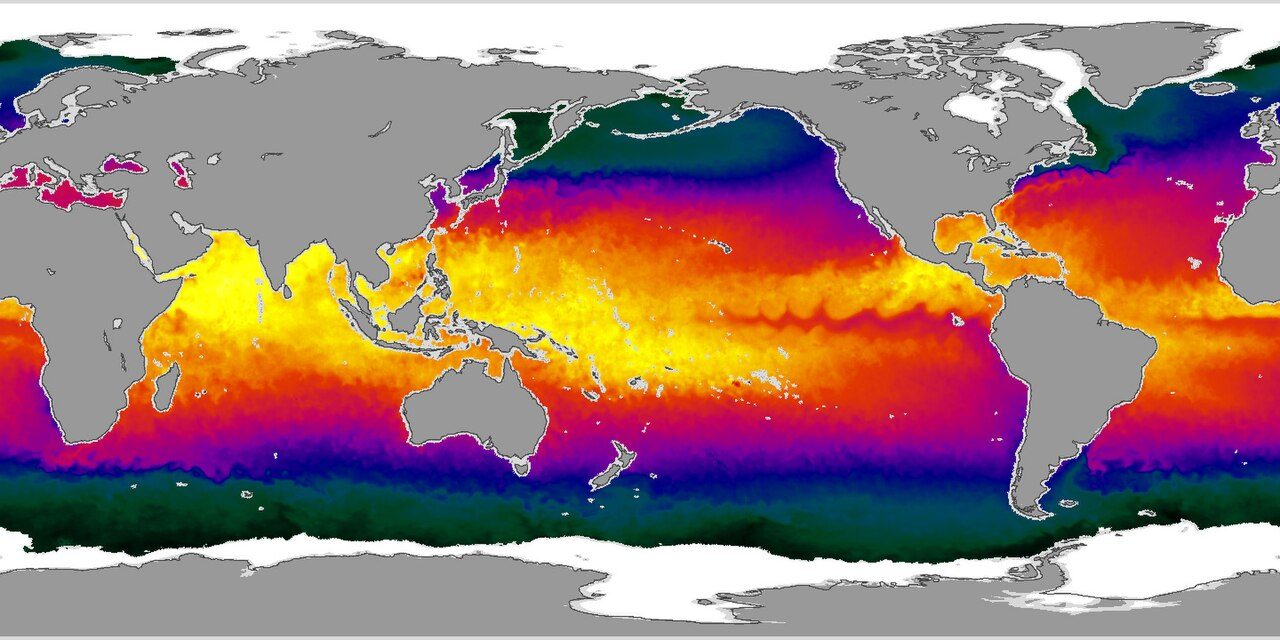
September 2026 was the world's second-warmest September on record, 1.63C above pre-industrial levels, Europe's Copernicus climate service said. Average sea surface temperatures hit a record 21.05C for the month. Copernicus also logged a record 29.70C in the key El Niño zone of the Pacific.
September 2026 was the world's second-warmest September on record, 1.63C above pre-industrial levels, and average sea surface temperatures hit a record 21.05C for the month, the European Union's climate monitor said on Monday.
The Copernicus Climate Change Service also said an intensifying El Niño pushed sea surface temperatures in the Niño 3.4 region to an "all-time high" of 29.70C last month, according to its monthly bulletin and The Hindu (AFP). That stretch of the central and eastern Pacific is the zone scientists watch to track El Niño, and the reading beat the peaks of the very strong El Niño events of 1982-83, 1997-98 and 2015-16.
El Niño is the warm phase of a natural climate cycle. It raises sea temperatures in the tropical Pacific, which can change weather around the world, raising the risk of drought and flooding. It typically comes every two to seven years and lasts about nine to 12 months.
Other records fell too. That sea surface average, which covers waters outside the polar regions, topped the previous September high of 20.92C, Copernicus said. The world had its second-hottest September on record, with surface air temperatures averaging 16.27C, or 1.63C above the pre-industrial average.
"We are in a new run of months above 1.5C, and with a strong El Nino still intensifying it is likely to last into 2027," Copernicus director Carlo Buontempo said, according to Anadolu Agency.
Not every agency measures El Niño the same way. Japan's weather agency said last week that El Niño had reached its "strongest intensity on record," with temperatures in the monitoring zone 4C above normal. But Copernicus told the news agency that it "cannot yet say that the current El Nino is the strongest ever recorded." It said climate change warms the oceans over time, which can make recent events look stronger than past ones, so Copernicus now uses a new index that adjusts for that warming.
Experts have warned that this El Niño will likely push global temperatures to a new record in 2027.
What we know: Copernicus says the Niño 3.4 region hit a record 29.70C in September, and global sea temperatures set a September record.
What we don't: Whether this El Niño will end up the strongest on record once it peaks, and how severe its weather effects will be.
Where outlets agree AFP and Anadolu Agency both report that September 2026 was the second-warmest September on record, 1.63C above pre-industrial levels, with a record 21.05C average sea surface temperature.
Where they differ The outlets cited here report the same key facts so far.