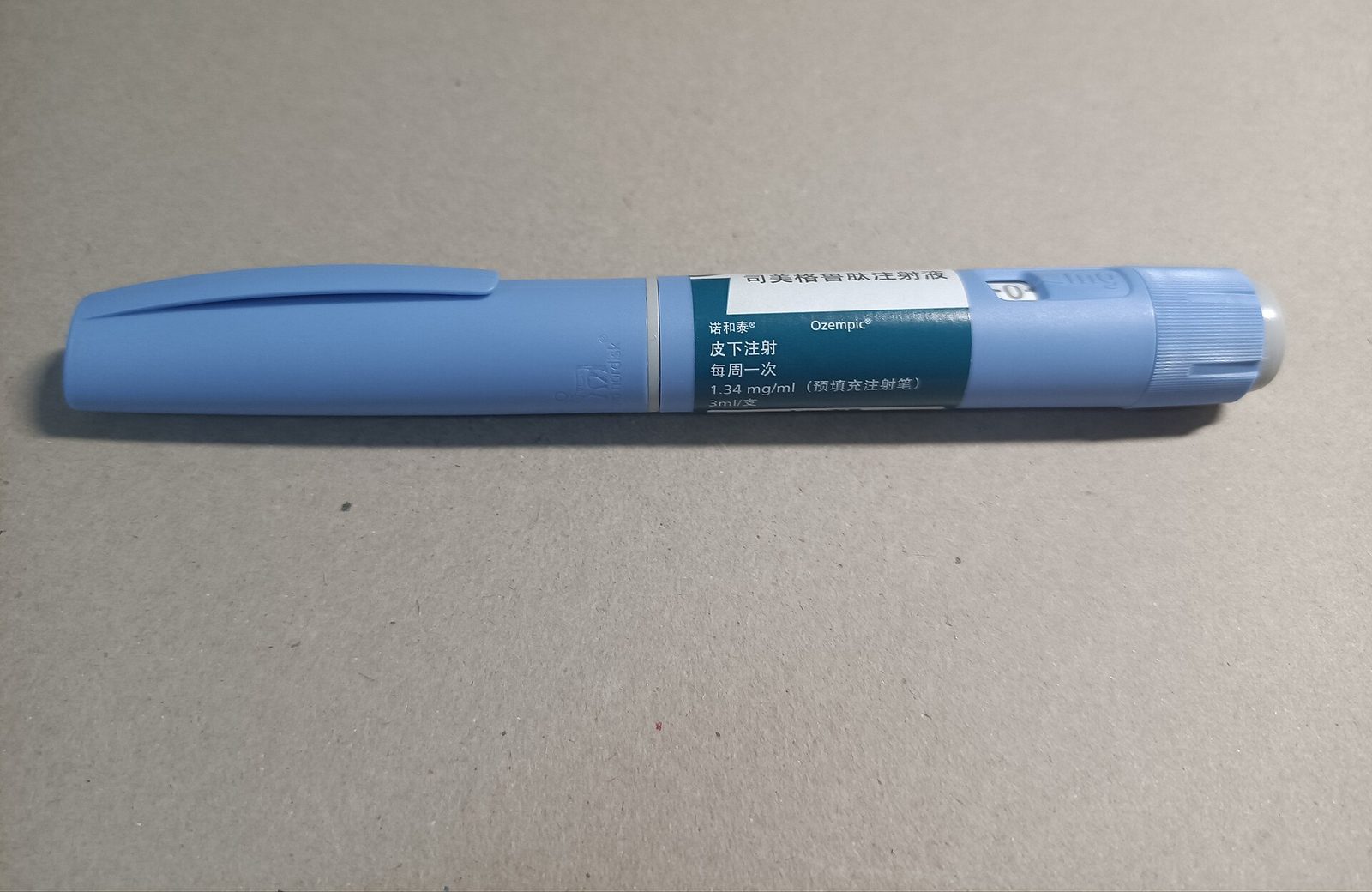
Lawsuits say GLP-1 drugs can harm eyesight, but risk is unclear
Hundreds of lawsuits claim GLP-1 drugs like Ozempic can cause NAION, a rare condition that brings sudden vision loss. Novo Nordisk says the cases have no merit and points to research casting doubt on a link. Experts say the data so far shows a possible connection, not proof.
Todd Engel woke up on New Year's Eve unable to see out of his right eye. "It was all dark. It was black," he told NPR.
His doctor said it was NAION, a form of optic nerve damage caused by tiny strokes that cut off blood flow to the eye. It cannot be fixed with surgery. Engel had been taking Ozempic, a GLP-1 drug, for diabetes. He kept taking it, and later his other eye went dark too.
Engel has sued Novo Nordisk, the maker of Ozempic. He claims the company failed to warn patients and doctors about the risk. His case is one of many. As of Sept. 1, more than 200 NAION cases were pending in a federal court in Pennsylvania, NTD reported. They involve drugs including Rybelsus, Mounjaro and Zepbound.
A separate group of more than 4,000 federal cases involves stomach problems such as gastroparesis and intestinal blockage, according to Drugwatch.
More than one in 10 Americans are taking a GLP-1 drug for weight loss, according to a Gallup analysis cited by NPR.
The big legal question is whether the drugs actually cause the harm. A 2024 study in JAMA Ophthalmology found higher rates of NAION among diabetic patients taking semaglutide, the active ingredient in Ozempic. But studies like that can show a link, not proof of cause, NPR noted. Two medical groups criticized that study.
Novo Nordisk told NPR the cases are "without merit." It pointed to later research casting doubt on whether its drug causes NAION.
Patients with sudden vision changes should see a doctor right away.
What we know: Hundreds of lawsuits claim GLP-1 drugs can cause NAION, and Novo Nordisk says the cases are without merit.
What we don't: Whether the drugs actually cause the vision loss.
Where outlets agree NPR and NTD both report patients are suing GLP-1 makers over NAION, a rare cause of sudden vision loss.
Where they differ The outlets cited here report the same key facts so far.