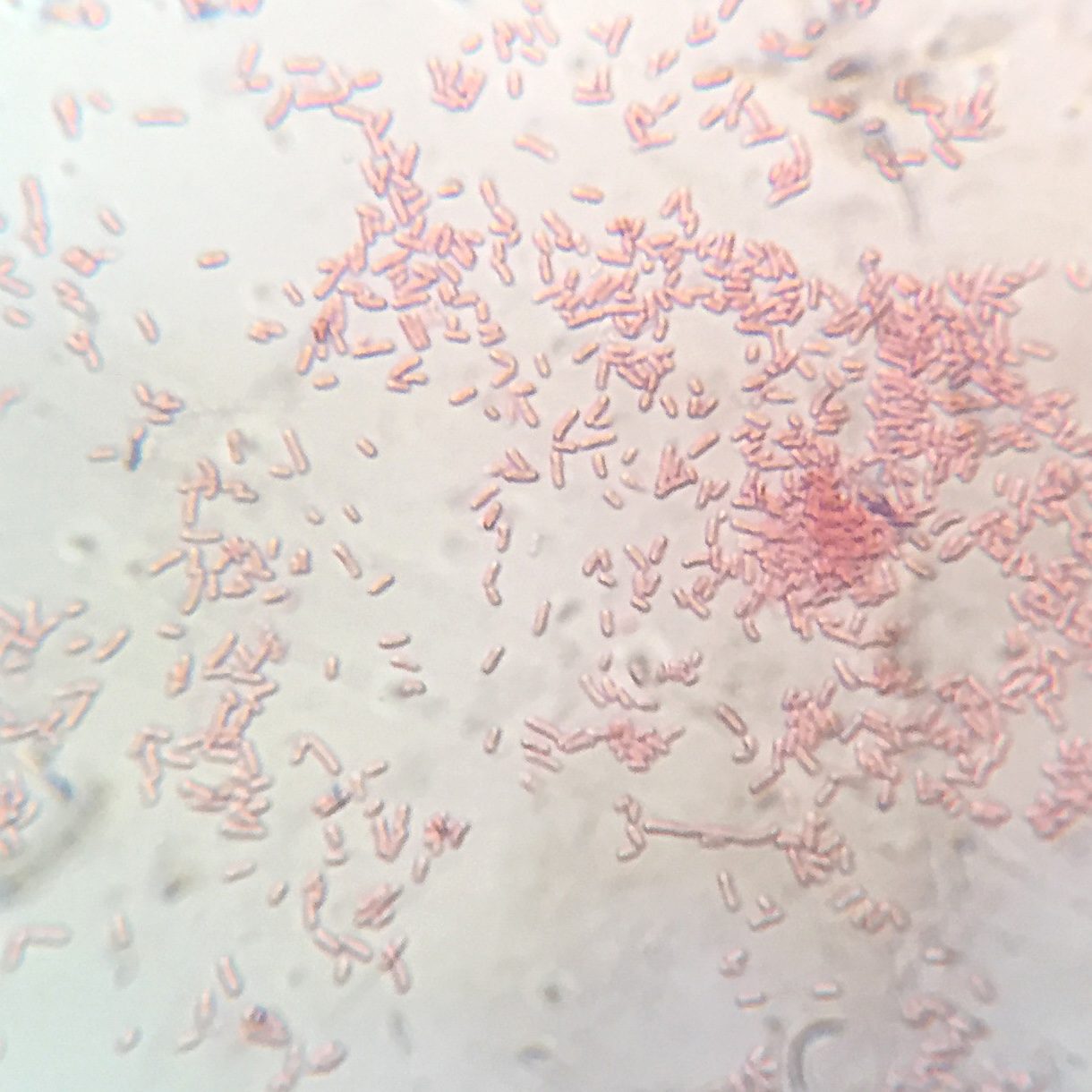
Drug-resistant shigella gut infection becoming harder to treat
A gut infection called shigella, which can spread through sex, is becoming harder to treat, according to a CDC report. In 2023, 8.5% of tested samples were resistant to all five key antibiotics, up from none in 2011 to 2015. There is no FDA-approved oral antibiotic for the worst strains.
A stomach infection that can spread during sex is becoming much harder to treat.
Shigella bacteria cause shigellosis, which brings diarrhea, fever and stomach cramps. A Centers for Disease Control and Prevention report tracked nearly 17,000 shigella samples collected from 2011 to 2023, Fox News reported. In 2023, 8.5% of samples with resistance data were "extensively drug-resistant," or XDR. That means they resisted all five antibiotics in the CDC's definition. From 2011 to 2015, none were.
"The infection is not surging. The bacteria are changing," said Dr. Tyler Evans, an infectious disease doctor in California. "Case counts can hold steady while the treatment options quietly disappear." He said there is no FDA-approved oral antibiotic for XDR shigella.
The infection is rising in the U.S. and the U.K., particularly among LGBTQ+ people, KCRA reported, citing the CDC. The report found most people with XDR shigella were adult men.
Shigella spreads when tiny amounts of stool reach someone's mouth. That can happen through contaminated food or water, unwashed hands or sexual contact.
"Shigella is not considered to be a typical sexually transmitted infection," said Dr. Andi Toufexis, a Texas family doctor who specializes in sexual health. But it can spread through sex when one partner comes into contact with the other's fecal matter. Sexual spread has been documented since the 1970s.
Doctors say washing hands well with soap and water helps prevent it. People with diarrhea should avoid sex and preparing food for others until they recover.
Most people get better without antibiotics in five to seven days.
What we know: A CDC report found 8.5% of tested shigella samples in 2023 were resistant to all five key antibiotics, up from none in 2011 to 2015.
What we don't: Whether overall shigella cases are rising, which KCRA reports and a doctor quoted by Fox News disputes.
Where outlets agree Fox News and KCRA both cite a CDC report showing shigella is growing more resistant to antibiotics.
Where they differ KCRA describes the infection as on the rise, while Dr. Tyler Evans told Fox News the infection is not surging but the bacteria are changing.