AfD win in Saxony-Anhalt deepens rift in Germany's governing coalition
Germany's governing coalition is turning on itself after a far-right AfD lawmaker was elected to lead a state parliament for the first time since 1945. The Social Democrats blame Chancellor Friedrich Merz's party, whose members likely helped. Merz's party, in turn, attacks the Social Democrats over talks with the hard left in Berlin.
A vote in one German state has set off a war of words inside the country's national government.
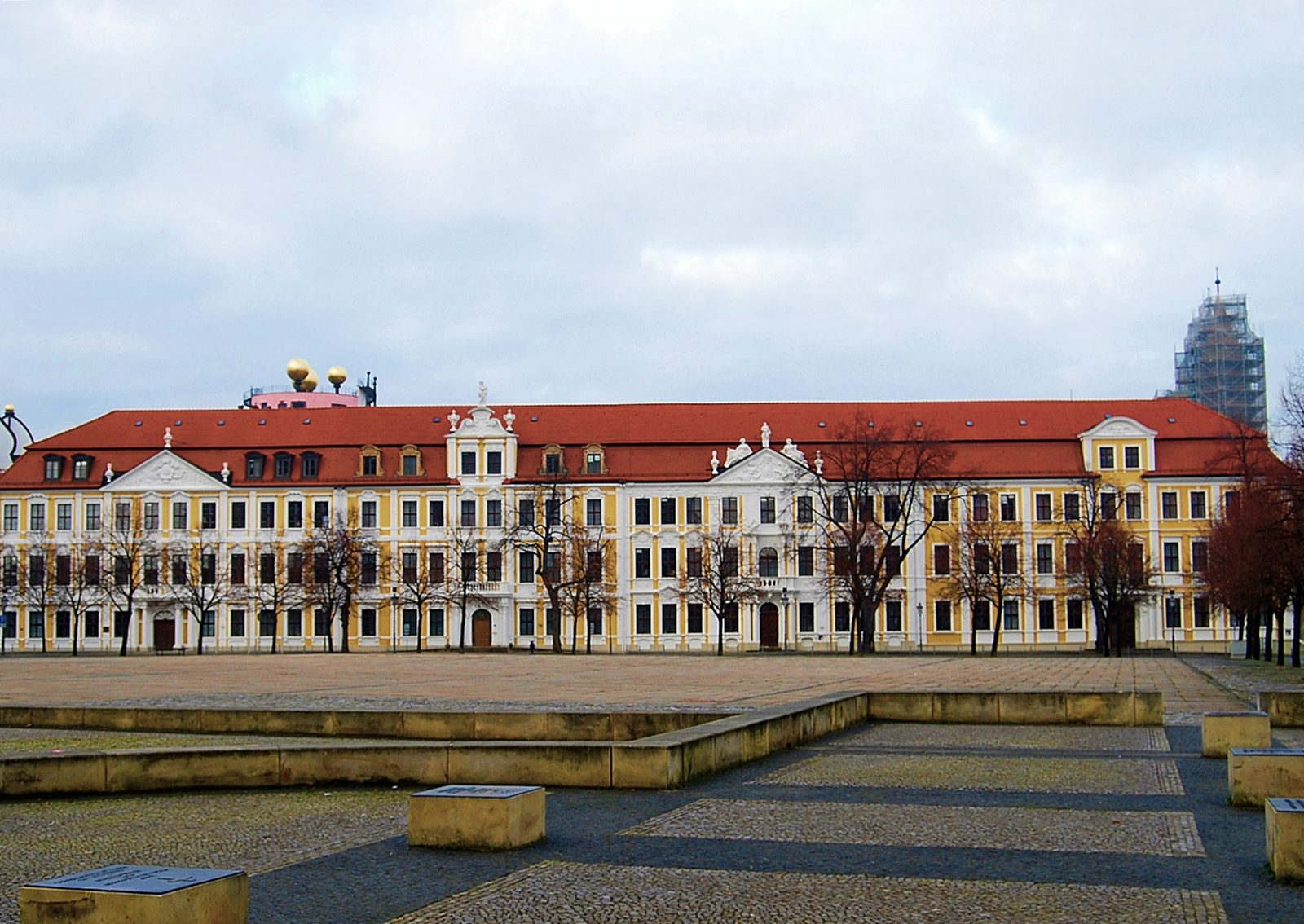
On Tuesday, Tobias Rausch of the far-right Alternative for Germany, or AfD, was elected president of the state parliament in Saxony-Anhalt, the BBC reported. It is the first time since 1945 that a far-right politician has held a parliamentary office of that kind in Germany, The Irish Times said.
Rausch won 48 of 82 votes, according to Tagesschau. Chancellor Friedrich Merz's Christian Democrats, or CDU, had told their lawmakers to abstain. But the vote count suggests four CDU members backed Rausch. Rausch said four CDU lawmakers voted for him, and Focus reported that four CDU members were lying about abstaining.
The CDU's partner in Berlin, the center-left Social Democrats, or SPD, reacted with fury. SPD politicians held a protest march to Bebelplatz, the Berlin square where the Nazis burned books in 1933. "The CDU has to explain urgently how this could happen," said SPD co-leader and Vice Chancellor Lars Klingbeil.
Merz said "playing with extremists is not compatible with the values of my party."
The CDU hit back a day later. It attacked the SPD and Greens in Berlin for opening coalition talks with the hard-left Linke party, which won last month's city election with 25.7% of the vote. The Bild tabloid called it "a day of disgrace."
The coalition took office in May 2025. Just 18 months in, few in Berlin expect it to last its full four-year term, The Irish Times reported.
More tests are coming. Saxony-Anhalt lawmakers choose a new state premier in December, and the AfD's Ulrich Siegmund is the likely winner.
What we know: the AfD won the post, and CDU votes likely helped.
What we don't: whether the national coalition will survive the feud.
Where outlets agree The BBC and The Irish Times both report Tobias Rausch is the first AfD politician elected to lead a German state parliament.
Where they differ The Irish Times says it is only likely that four CDU lawmakers backed Rausch in the secret ballot, while Focus reports flatly that four CDU members lied about abstaining.