Clashes erupt at Brussels march against Belgium's budget cuts
Tens of thousands of people marched in Brussels on Friday against the Belgian government's planned budget cuts. The union march was peaceful, but masked youths on its edges threw bottles and set fires, and police answered with tear gas and water cannon. Brussels Airport canceled 140 flights.
Belgium's biggest unions brought tens of thousands of people into the streets of Brussels on Friday to protest the government's budget plans. On the edges of the march, it turned violent.
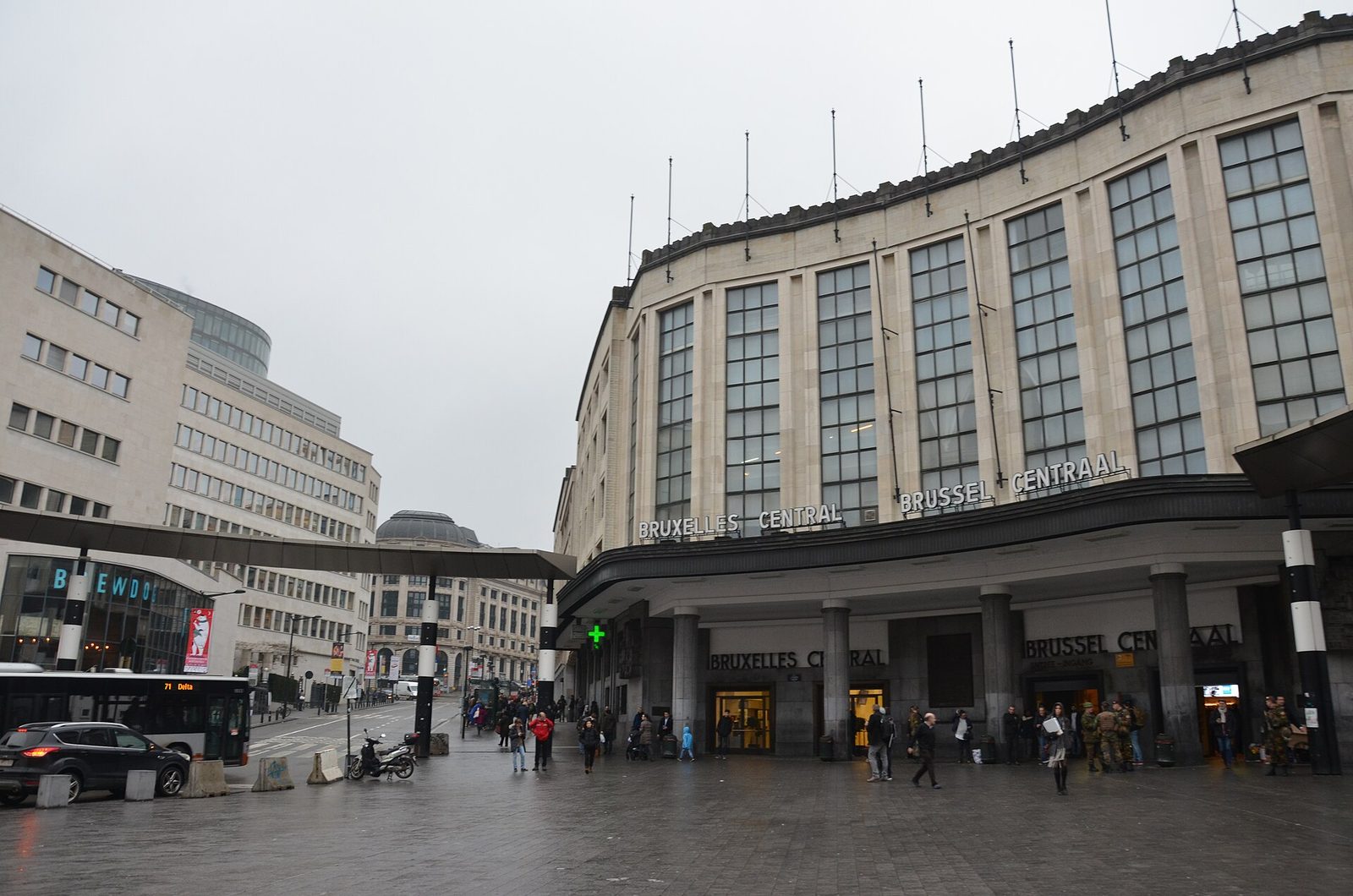
The socialist union FGTB-ABVV led a march from Brussels Central station to Brussels Midi station under the slogan "stay out of our pockets." The Christian union CSC-ACV held smaller protests outside the offices of the parties in the governing coalition.
Police estimated the crowd at about 30,000, while FGTB-ABVV counted 50,000, The Brussels Times reported.
Police said the main march stayed peaceful. But groups of young people, many masked and dressed in black, threw wooden beams, glass bottles and trash bins at officers near Central station. Police charged and used tear gas and a water cannon. Rioters later smashed bus windows and set fire to trash cans, rental bikes and scooters, DW reported, citing AFP. Police said early on that about 20 people had been arrested, mostly minors.
Union leader Bert Engelaar had urged rioters to stay away. "Those individuals have nothing to do with the message with which thousands of others come out on the streets," he wrote on Facebook.
The protest snarled the city. Only two metro lines ran Friday morning. Brussels Airport canceled 140 flights, and Brussels Airlines dropped 40% of its flights.
The anger is about money. Prime Minister Bart De Wever's center-right government wants to find 10 billion euros in savings by 2029 to cut Belgium's large debt and deficit. Unions oppose changes to automatic wage indexation, possible VAT increases and plans for annualized working time. They want higher taxes on top earners instead, and say their own plan could raise up to 21 billion euros without harsh cuts.
It was at least the tenth major union day of action against the government. It also followed a tense week in Liege, where more than 200 people were arrested after students clashed with police.
What we know: A large union march was mostly peaceful, but rioters clashed with police on its fringes.
What we don't: Whether the government will change its budget plans.
Where outlets agree The Brussels Times, DW and Al Jazeera all report that police used tear gas and water cannon on rioters while the main union march stayed peaceful.
Where they differ The outlets cited here report the same key facts so far.