Report: Big batteries now cheaper than gas peaker plants
Four-hour battery storage now costs less than a common kind of gas power plant in all 43 markets studied, consultancy Wood Mackenzie said. AI data centers have driven up turbine prices and wait times. The finding could shape how utilities meet rising power demand.
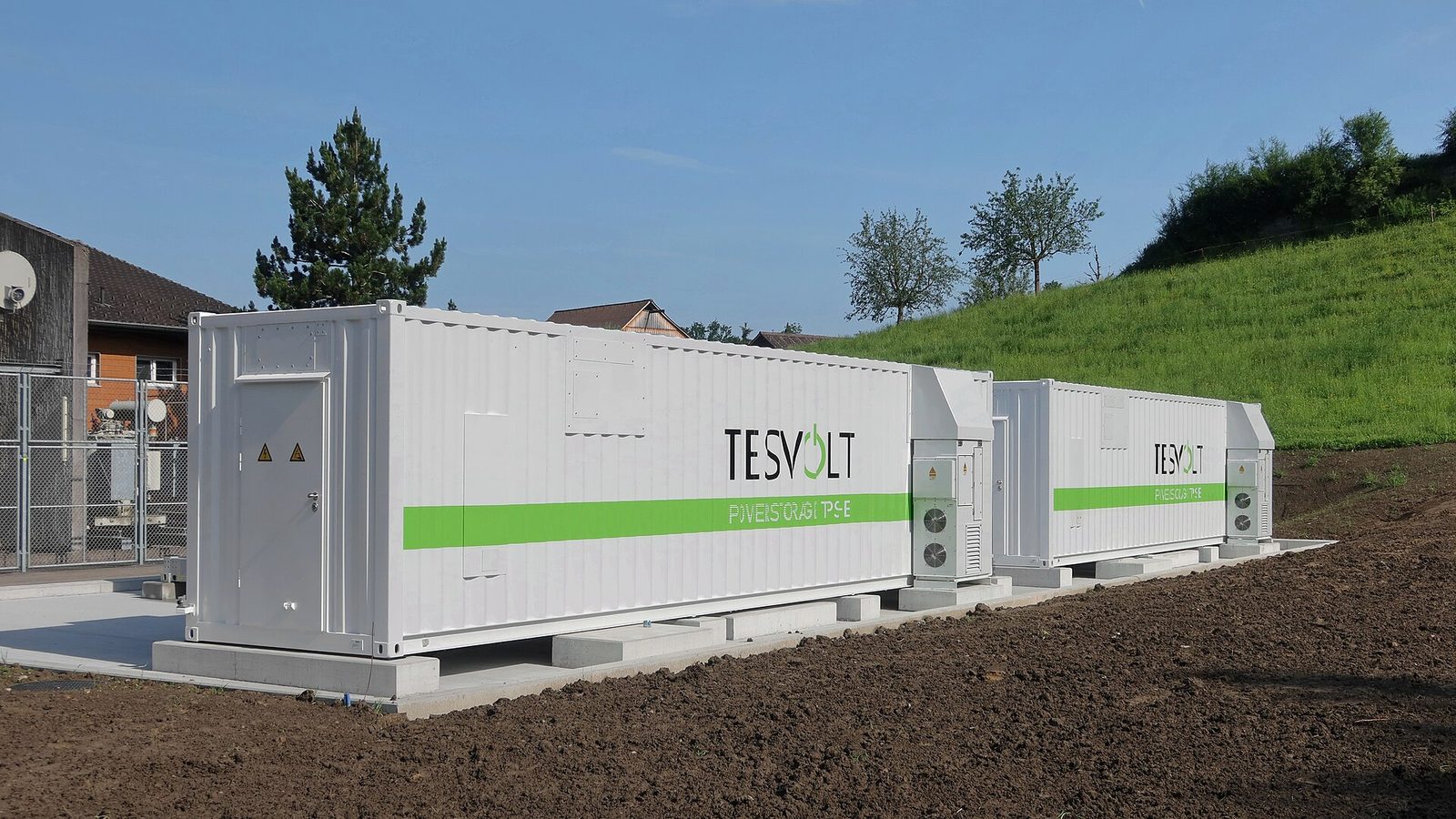
Big batteries are now a cheaper way to supply power at busy times than a common type of natural gas plant, according to a new report from energy consultancy Wood Mackenzie.
The firm compared four-hour battery storage with open-cycle gas turbines. These turbines are often used as "peaker" plants, which switch on when demand spikes. Batteries came out cheaper in all 43 markets where both were modeled, on every continent, Solar Power World reported.
"This economic shift is decisive and widening," said Ahmed Jameel Abdullah, a principal analyst at Wood Mackenzie. "Gas turbine shortages and rising fuel volatility are driving up peaking costs, while expanding battery manufacturing continues to push storage costs down."
AI data centers are part of the story. Developers have been buying almost any gas turbine they can find, TechCrunch reported. Open-cycle turbines now take two to four years to get, and waits for larger closed-cycle turbines stretch into the early 2030s. Those backlogs are pushing up prices for all new gas plants. Higher turbine costs can also raise costs for utilities and their customers.
The report sees batteries getting cheaper still. In the Middle East and Africa, four-hour storage costs about $120 per megawatt-hour this year and should fall 33% to $80 by 2035. China's storage costs are more than 55% below the rest of the Asia Pacific region.
Solar also looks strong. In North America, though, tariffs and import limits are putting pressure on solar prices, especially for rooftop and business systems. Tax credits for projects that start soon help protect about 168 gigawatts of large solar farms, the report said.
The study compares the cost of making electricity. It does not mean batteries can replace every gas plant or run a data center around the clock.
What we know: Four-hour batteries beat gas peakers on cost in all 43 markets studied.
What we don't: How fast utilities will change their building plans.
Where outlets agree TechCrunch and Solar Power World both report that four-hour batteries were cheaper than open-cycle gas turbines in all 43 markets Wood Mackenzie modeled.
Where they differ TechCrunch says solar is now the cheapest new power in every market in the survey, while Solar Power World says solar is cheapest in 43 of 48 markets, with onshore wind leading in five.