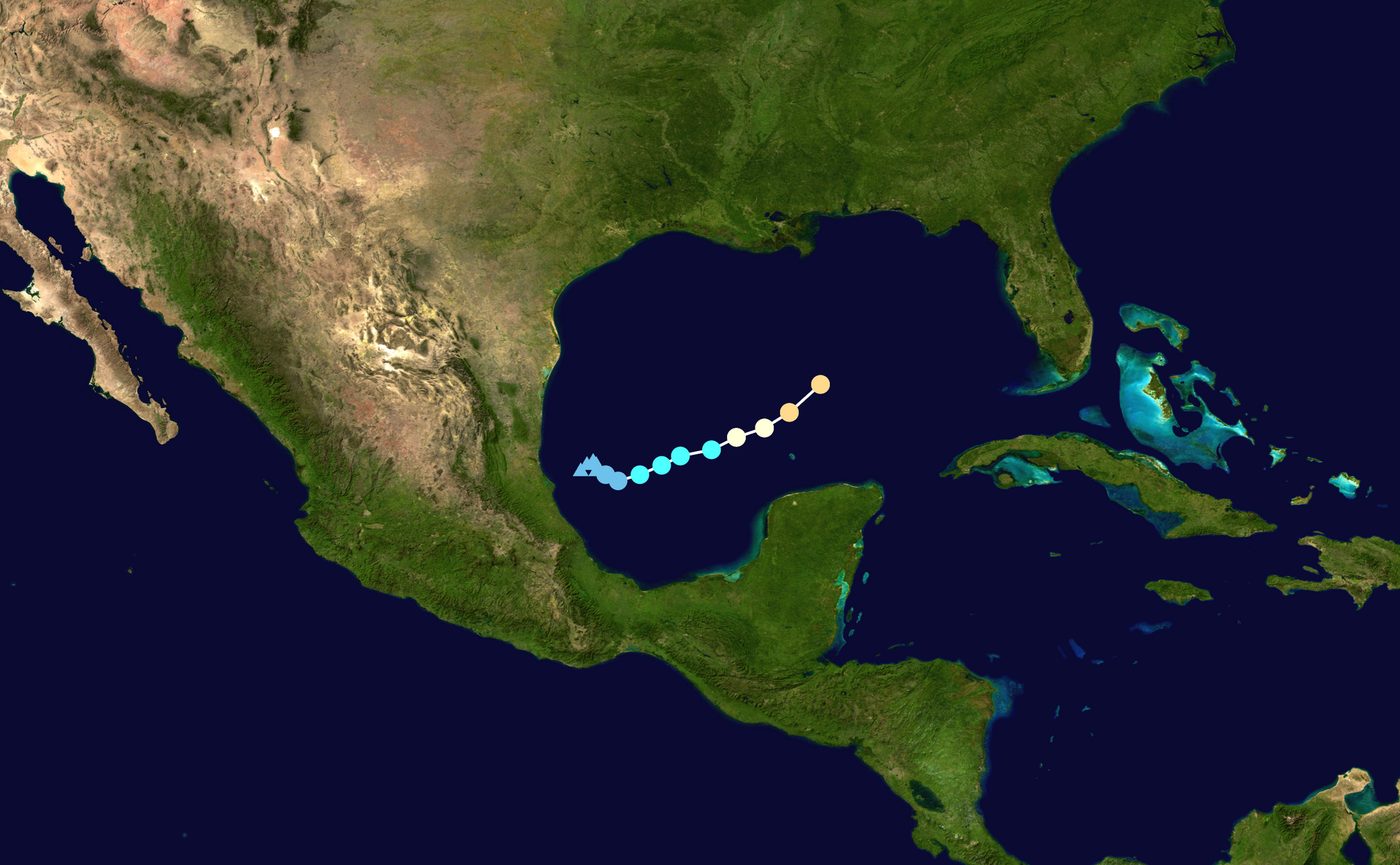
Late-arriving Isaias shows El Niño's grip on the Atlantic season
Hurricane Isaias became the Atlantic's first hurricane of the season on Wednesday night, later than any first hurricane in the satellite era. Scientists say a very strong El Niño smothered storms all season with strong upper winds. Warm Gulf waters, made hotter by climate change, let Isaias break through before reaching the coast.
It took until October, but the Atlantic finally has a hurricane, and scientists say the long wait tells a story about El Niño.
Isaias was upgraded to a hurricane late Wednesday, making it the first of the 2026 season. Scientific American reported it is the latest first hurricane since satellite tracking began. Hurricane researcher Brian McNoldy said it beat the old satellite-era mark by 27 days.
Wired noted the oldest record on the books is from 1905, when the first hurricane formed on Oct. 8. Before satellites, storms that stayed at sea could go unnoticed, so older records are less certain.
The main reason for the quiet season is El Niño, the warming of the tropical Pacific that shifts weather around the globe. It boosts strong high-level winds over the Atlantic, called wind shear, that tear storms apart. "Activity in the deep tropical Atlantic has been shut down this year due to the El Niño-induced wind shear, so the Gulf is one of the few places where this could happen," McNoldy told Scientific American.
The numbers show how quiet it has been. From 1991 to 2020, the Atlantic averaged seven hurricanes a year, Wired reported. A measure of total storm energy stood at 10.8 units this year, against a normal of nearly 102 for this point in the season.
Isaias found an opening in the Gulf of Mexico. The water there is about 2.7 degrees Fahrenheit warmer than normal, and climate change made that heat 100 to 500 times more likely, said Kristina Dahl of the nonprofit Climate Central, according to The Associated Press. "The warm waters and high moisture won," said Colorado State University researcher Phil Klotzbach.
Isaias had top winds near 105 mph early Friday, the National Hurricane Center said in advisory 10A. Landfall is expected late Friday or early Saturday. Klotzbach told the AP he expects stronger wind shear to weaken it to a strong Category 1 or weak Category 2 storm at landfall.
Dahl said sea level rise from climate change will push storm surge deeper and farther inland.
What we know: Isaias is the Atlantic's latest first hurricane of the satellite era.
What we don't: Whether El Niño will keep the rest of the season quiet.
Where outlets agree Scientific American, Wired and the Associated Press all report that El Niño's strong wind shear kept the Atlantic nearly free of hurricanes until Isaias.
Where they differ Scientific American says Isaias is the latest first hurricane since satellite tracking began, while Colorado State's Phil Klotzbach tells the Associated Press it is the latest since 1914.