Sickle cell drug did not raise infection risk in African children
A 10-year study in four African countries found that hydroxyurea, a daily pill for sickle cell anemia, did not raise children's risk of infections. Higher doses were tied to fewer cases of malaria and other infections. Researchers say the drug should be used more widely in low-income settings.
A daily pill for sickle cell anemia does not raise children's risk of infections, even in places with limited health care, a long-running study has found.
The research, published in The Lancet Haematology, followed 606 children and young adults with sickle cell anemia in Angola, the Democratic Republic of Congo, Kenya and Uganda. It is part of the NIH-funded REACH trial. Children ages 1 to 10 joined between 2014 and 2016 and have been checked every two to three months since.
Sickle cell anemia is the most common and severe inherited blood disease. About 80% of cases are in sub-Saharan Africa, and about 550,000 children are born with it each year. It can cause pain, frequent infections and long-term poor health.
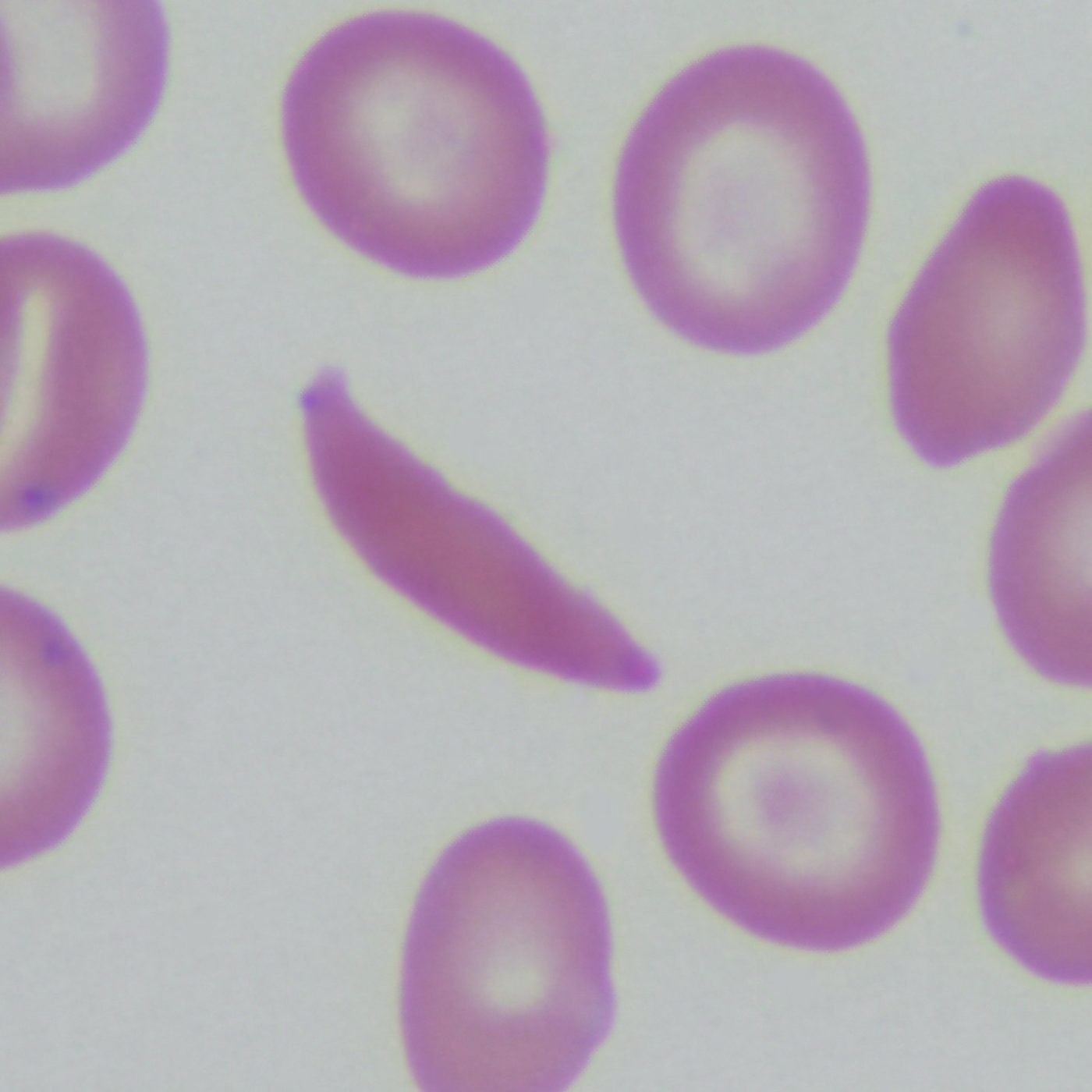
Hydroxyurea is taken once a day by mouth. It helps the body make more fetal hemoglobin, a form that keeps red blood cells from turning into a sickle shape.
The drug is standard care in wealthy countries. But doctors in poorer areas have been cautious because it lowers the number of certain infection-fighting white blood cells. They worried it could lead to more infections where clinics are hard to reach.
The study found no rise in the number or severity of infections, including malaria. In fact, infections fell as doses went up. The risk of malaria dropped by 51%, and the risk of other infections fell by 38%, Medical Xpress reported.
"In this huge study covering more than 5,000 patient years of follow-up we found no increase of illness or death from infections, even when hydroxyurea is used at the maximum tolerated dose," said study lead Professor Tom Williams of Imperial College London.
"Over 10-years of treatment, the incidence and severity of infections did not increase, and in many cases, were decreased," said senior author Professor Russell Ware of Cincinnati Children's Hospital Medical Center.
The authors recommend that children with sickle cell anemia in low-resource settings get hydroxyurea at the highest dose they can tolerate.
There is a limit. Most infections were recorded from patients' medical history rather than tested in real time.
What we know: Hydroxyurea did not raise infection risk over about 10 years.
What we don't: How quickly health systems will expand access.
Where outlets agree Medical Xpress and EurekAlert both report malaria risk fell 51% and other infection risk fell 38% as hydroxyurea doses rose.
Where they differ The authors call the results strong reassurance, but most infections in the study were recorded from medical history rather than tested in real time.