Kennedy opens NIH vaccine injury clinic, but key details stay unclear
Health Secretary Robert F. Kennedy Jr. opened a new clinic at the National Institutes of Health to study and care for people with suspected vaccine injuries. The plan also would pay doctors to report possible injuries. Its budget, enrollment rules and outside oversight have not been made public.
Health and Human Services Secretary Robert F. Kennedy Jr. has opened a new clinic at the National Institutes of Health to study suspected vaccine injuries. Many key details have not been released.
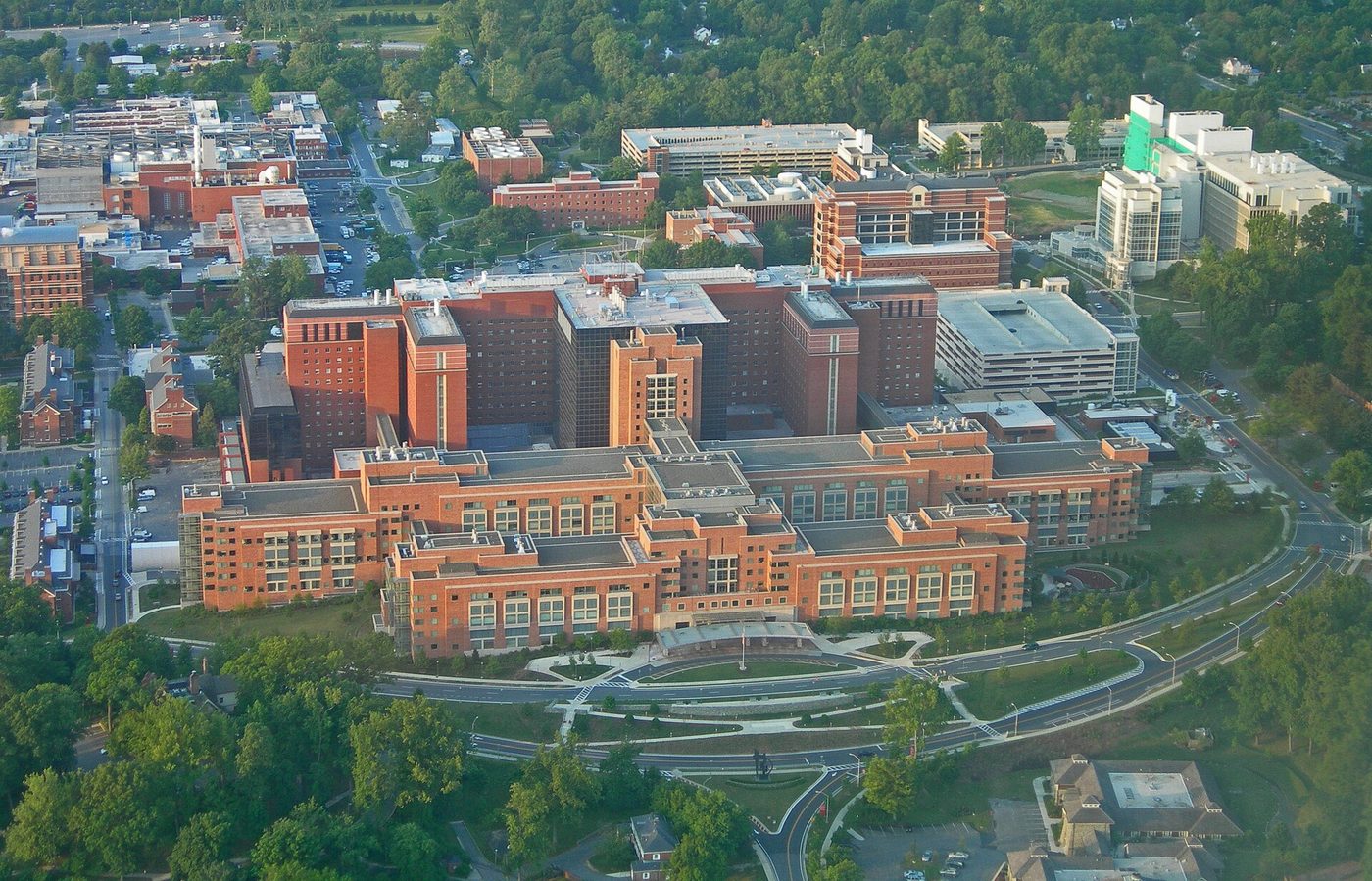
Kennedy unveiled the plan Monday at the NIH campus in Bethesda, Maryland, Bloomberg Law reported. He attended a ribbon-cutting for a clinic to study and care for patients with vaccine injuries.
The plan has other parts. It includes a proposal to pay doctors for reporting suspected vaccine injuries. It would also update the federal system that tracks problems after vaccination and add new electronic health record requirements.
NIH Director Jay Bhattacharya, CDC Director Erica Schwartz, Medicare and Medicaid chief Mehmet Oz and acting FDA Commissioner Kyle Diamantas attended, Medical Daily reported. The event also included a roundtable with parents who believe their children were harmed by vaccines.
What has not been shared matters too. Reports did not include the clinic's budget, how patients will be chosen, what research plan it will follow or who will review its findings. Spokespeople for HHS and NIH did not respond to Bloomberg's requests for comment.
The trade publication Pink Sheet called it a clinic for observational research, Medical Daily reported. That kind of research follows patients rather than testing treatments. It can describe patterns, but on its own it generally cannot show that a vaccine caused a condition.
Kennedy has said families' concerns about vaccines were ignored. He previously led Children's Health Defense, an anti-vaccine group.
The government already runs several vaccine safety systems. The Vaccine Adverse Event Reporting System, or VAERS, takes reports from anyone. The CDC warns that "a report to VAERS does not mean that a vaccine caused an adverse event." The Vaccine Safety Datalink, started in 1990, checks health records from 13 sites each week for rare problems. A federal program also pays people found to have been hurt by covered vaccines.
The launch comes as the country faces its largest measles outbreak in years, with five deaths in Pennsylvania.
It is also unclear how the plan to pay doctors for reports would work or what it would cost.
What we know: A new NIH clinic will study and care for people with suspected vaccine injuries.
What we don't: Its budget, who can enroll and who will check its results.
Where outlets agree Bloomberg Law and Medical Daily both report the plan includes a clinic to study and care for vaccine-injury patients and a proposal to pay doctors for reporting suspected injuries.
Where they differ Kennedy frames the clinic as answering families' long-ignored questions, while reports note its budget, research plan and outside review have not been disclosed.