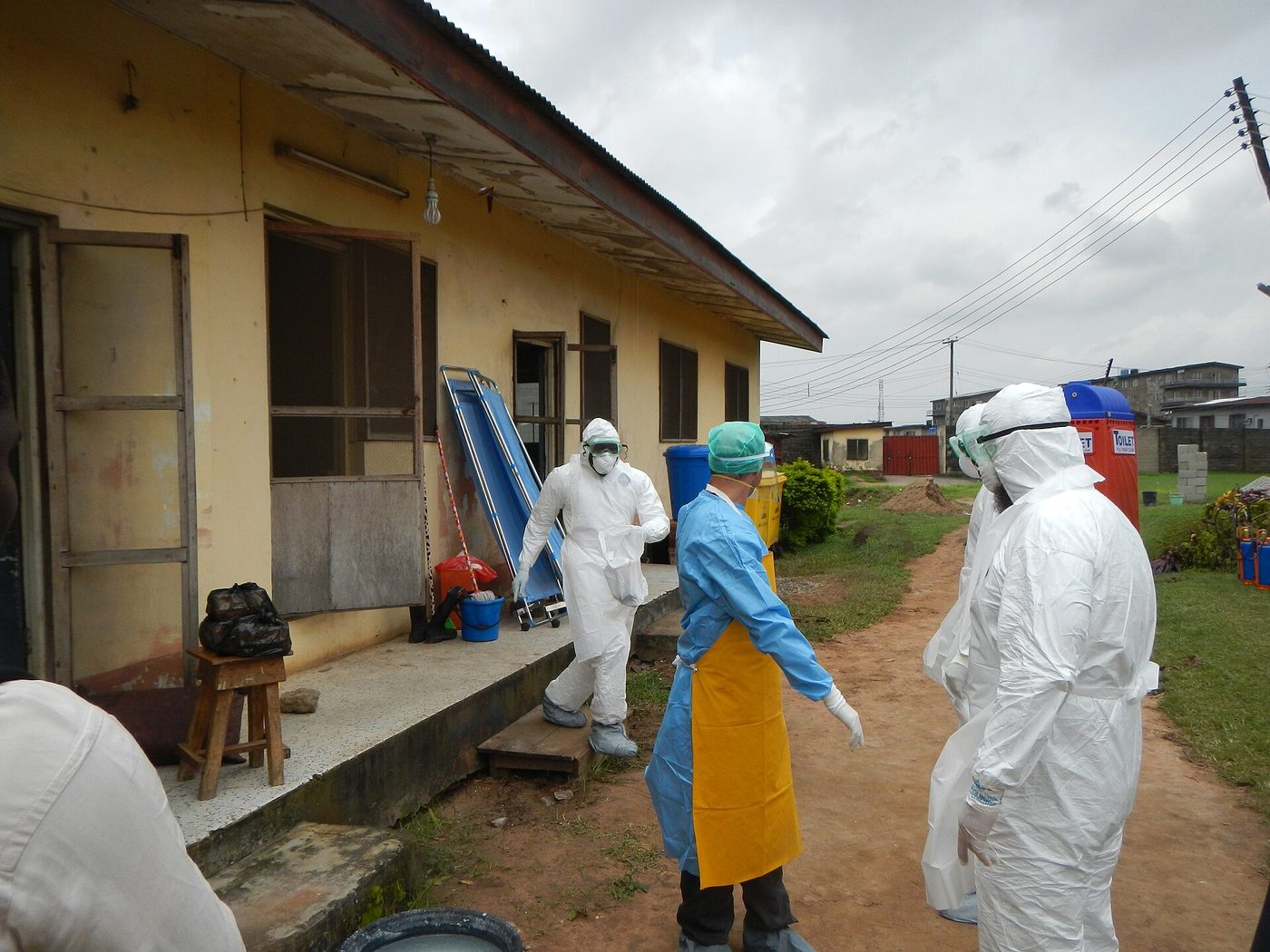
Kenya traces 57 Ebola contacts after burying its first patient
Kenya is racing to find everyone who came near its first Ebola patient, a man who died in Nairobi after falling ill in Congo. Officials have listed 57 contacts, and at least 10 are in quarantine. Health leaders say there is no outbreak, but the next few days are critical.
Kenya is widening its hunt for people exposed to the country's first Ebola patient.
The man was a Kenyan citizen who had lived in the Democratic Republic of Congo, where he became sick. He traveled by road through Uganda and flew to Nairobi on Oct. 3, Anadolu Agency reported. He went to Nairobi Hospital, was isolated and died. Tests confirmed Bundibugyo virus disease, a rare and severe form of Ebola. He was buried at Lang'ata Cemetery under strict safety rules.
Health Cabinet Secretary Aden Duale said the contact list has grown from 55 to 57. "Ten of them have been accounted for, and they are already under a quarantine facility," he said. They are checked for symptoms every day at the National Police Service Hospital in Nairobi. Duale said about 17 had been traced by the time he spoke. Kenya does not have an outbreak, he said, only an imported case.
The World Health Organization's top official in Kenya, Dr. Neema Rusibamayila Kimambo, told UN News that about 10 relatives are in quarantine, some of whom came forward on their own. Twenty-one health workers who treated the man have also been contacted. Officials are working with the airline to reach about 23 passengers and four crew from his flight. "These next few days are critical," she said. So far there are no other infections.
Questions are growing about how he got through. Africa CDC chief Jean Kaseya told the BBC the man had been sick for about a month and passed through several cities in Congo, then Uganda, without being caught. "Why was he not detected?" he asked. A Kenyan health official said medicine may have masked his symptoms. Uganda said he had a normal temperature when he left.
Kenya says it has screened more than 650,000 travelers and tested 267 samples since going on alert. Four hospitals are set up to treat Ebola patients.
The Congo outbreak began in May. It has killed more than 4,000 people this year, the BBC reported, making it the second deadliest Ebola outbreak known. There is no approved vaccine or treatment for the Bundibugyo strain, though trials are under way.
Ebola spreads through contact with an infected person's blood or other body fluids.
What we know: One confirmed case, no spread found yet, and 57 contacts listed.
What we don't: Whether any contact will fall ill in the coming days.
Where outlets agree Anadolu Agency and UN News both report the man had lived in Congo and flew to Nairobi through Uganda on Oct. 3 before dying in a Nairobi hospital.
Where they differ Anadolu Agency reports the man was buried Wednesday, while the BBC reported the burial took place Tuesday.