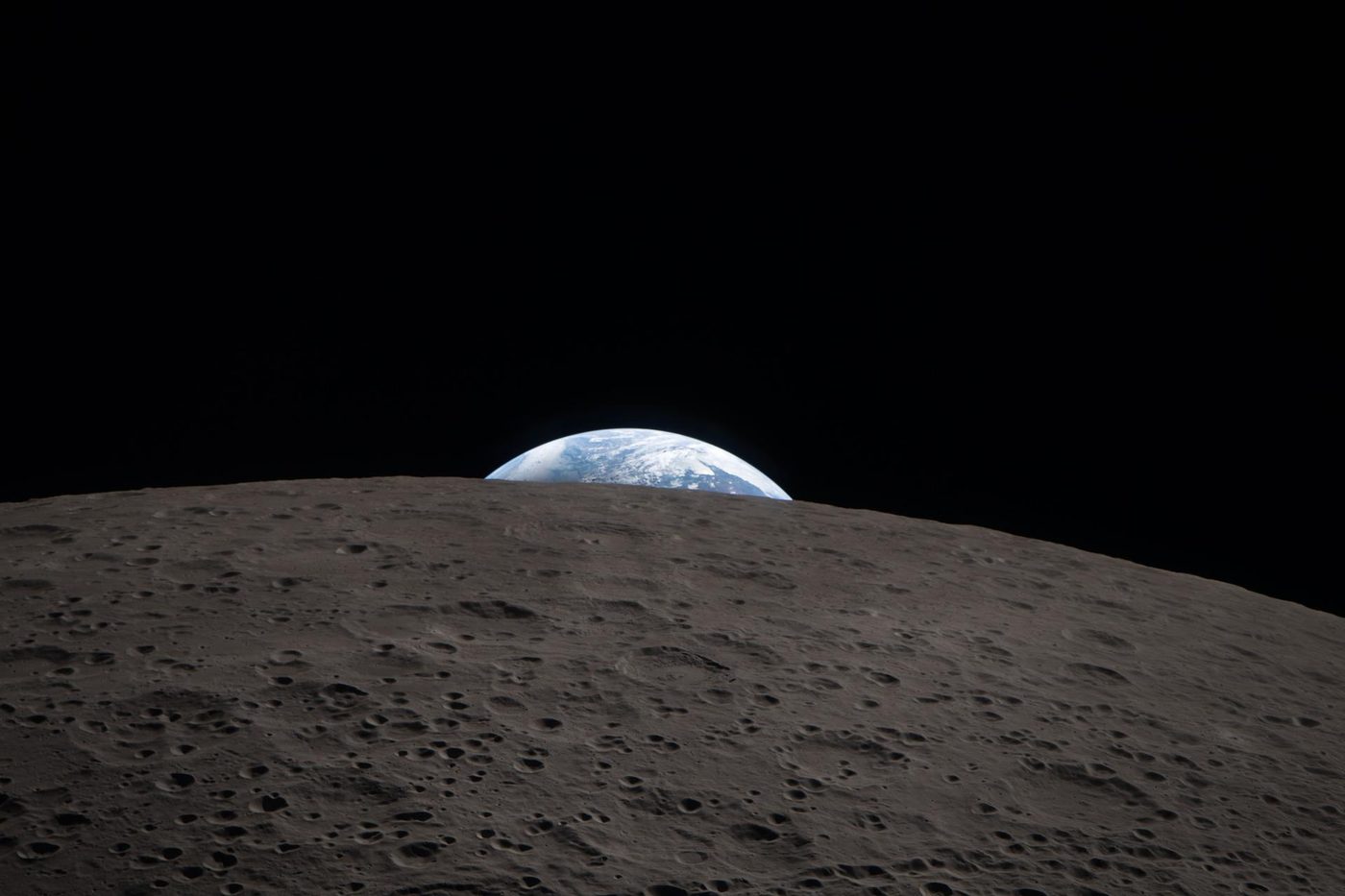
NASA posts Artemis II Moon data for anyone to study
NASA has released the full science dataset from the Artemis II flight around the Moon. It holds more than 11,000 images and videos, 8.5 hours of crew audio and notes from the astronauts. Anyone can download it from NASA's Planetary Data System.
The four Artemis II astronauts flew around the Moon in April. Now NASA is sharing everything they saw.
NASA released the full lunar science dataset from the mission on Wednesday, the agency said. More than 800 gigabytes of data, some never released before, are now in NASA's Planetary Data System. That is the public archive for the agency's planetary missions.
The release includes more than 11,000 full-resolution images and videos of the Moon. They came from the crew's handheld cameras and the Orion spacecraft's cameras. It also includes 8.5 hours of audio of the crew describing what they saw on the lunar surface, plus images the astronauts marked up by hand.
NASA called it the first planetary science dataset captured mainly by humans in more than half a century. The crew was NASA astronauts Reid Wiseman, Victor Glover and Christina Koch and Canadian Space Agency astronaut Jeremy Hansen. They trained in classrooms, simulations and field trips to learn lunar geography and geology.
Their choices mattered. NASA said the crew's quick decisions about what to photograph, along with what they noticed about color and changes on the surface, add to decades of data from Apollo astronauts and robotic probes.
One highlight: tiny flashes of light. On April 6, Wiseman, Glover and Hansen watched for impact flashes, which happen when rocky bits hit the Moon. They reported five extremely faint "pinprick" bursts of light from 46,000 miles away, NASA said. Some scientists were astonished. After ruling out cosmic rays and reflections from the spacecraft, the science team confirmed the sightings. Apollo astronauts saw similar flashes, but these were likely the faintest ever seen with the naked eye. Scientists estimate each rock was no more than a couple of inches wide. The crew marked the flash spots on a tablet screenshot that NASA has now published.
The report also shows the limits of human eyes. As the light changed, so did how the astronauts saw the surface, and at times sunlight overwhelmed their vision, Nature reported.
The mission flew from April 1 to April 10, 2026.
NASA also released three reports: a preliminary lunar science report, a report on science operations and a user guide for the data. The agency said the information is already helping plan Artemis III and later missions.
Where to explore: The data is free online through NASA's Planetary Data System, and NASA's Artemis II lunar science page links to the crew audio and reports.
What we know: The full Artemis II Moon dataset is now public.
What we don't: What new discoveries scientists will pull from it.
Where outlets agree Nature and NASA both report that more than 800 gigabytes of Artemis II images, audio and crew notes are now public.
Where they differ NASA says the crew's observations add to decades of Apollo and robotic data, while Nature stresses that changing light shifted what the astronauts saw, showing how hard it is to judge the Moon's terrain.