Soil bacteria enzyme breaks down bioplastic, and penicillin too
Scientists at Germany's University of Konstanz found an enzyme made by soil bacteria that breaks down some bioplastics. They call it the 'Pac-Man enzyme' because its grabbing site is so wide open. In lab tests it also cut apart penicillin, a hint that eating plastic and fighting off drugs may be linked.
Bacteria in forest soil may be learning to eat plastic. Scientists at the University of Konstanz in Germany found an enzyme that breaks down certain polyester plastics. They nicknamed it the "Pac-Man enzyme" because its active site, the part that grabs its target, is unusually wide open. The study appeared in The ISME Journal.
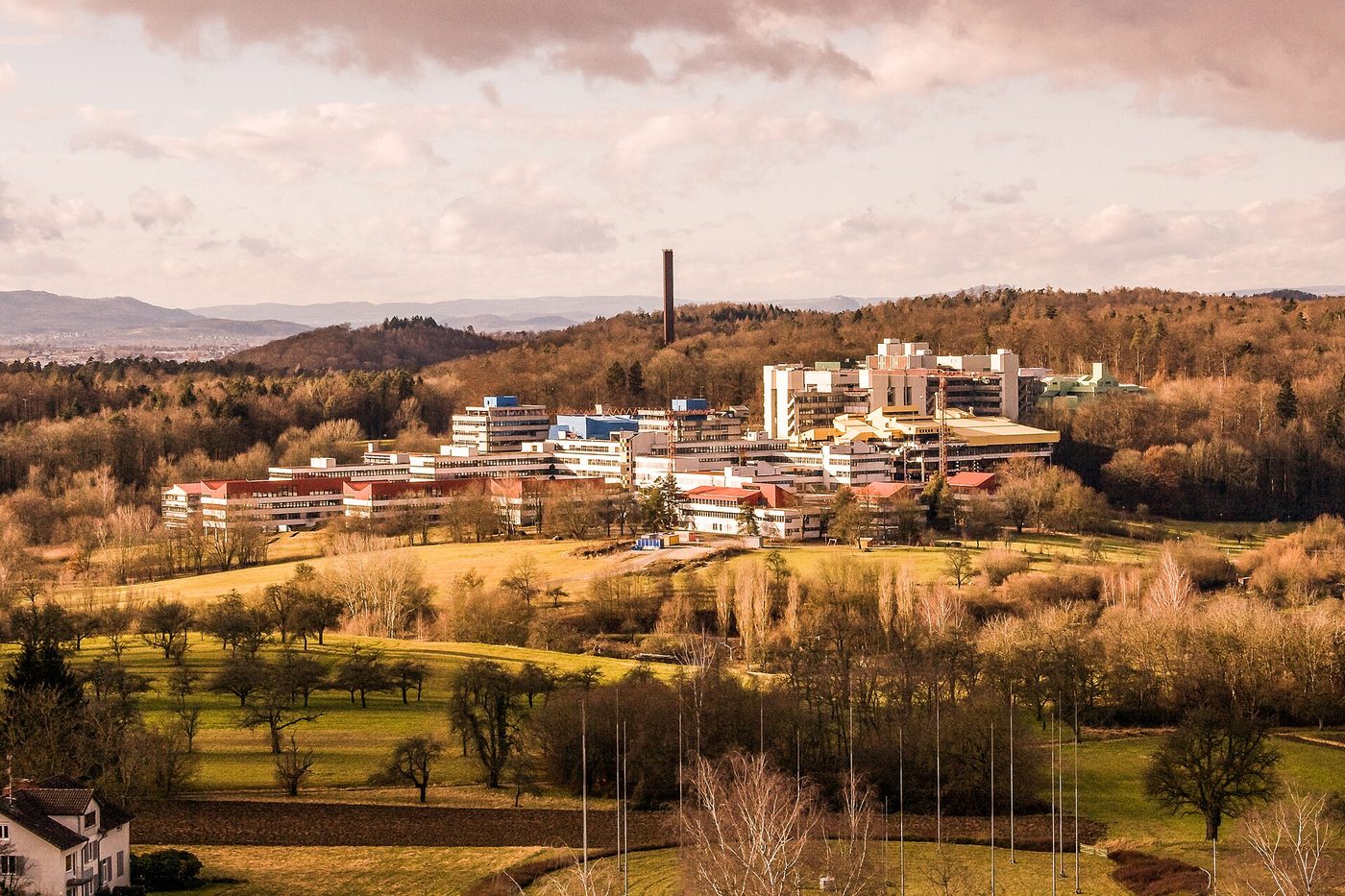
The team buried pieces of a bioplastic film, called LCAP, about 4 inches deep in forest soil at the university's botanical garden. They left them for a year. Under an electron microscope, the recovered film was full of tiny holes. Each was the size and shape of a single bacterium. It looked as if bacteria had eaten their way in.
In the lab, the team mixed powdered plastics into the same soil and tracked carbon dioxide for a year, since microbes breathe it out as they feed. All the bioplastics broke down completely in about 250 to 330 days. Cellulose, the stuff of plant fiber, took about 80 days. Ordinary high-density plastic, known as HDPE, barely broke down at all.
To find the culprit, the team read all the DNA in the soil's microbes. One gene grew common only where the bioplastic was buried. It makes an enzyme that sits on the outside of the bacterial cell, held in place by a fatty anchor. That lets the cell press the enzyme right against the plastic.
Here is the twist. The enzyme's shape resembles beta-lactamases, the enzymes that help bacteria resist antibiotics like penicillin. In tests, it did both jobs. It split the plastic into its building blocks, and it cut apart penicillin. That suggests a possible role in antibiotic resistance, the researchers said.
"The plastisphere is a new habitat in our environment," said biologist David Schleheck, using the term for microbes living on plastic. People have put plastic into nature in large amounts for only 50 to 75 years.
He does not see bacteria as a cleanup crew for ordinary plastic. The better path, he said, is to use plastics with "biochemical breaking points" that microbes can actually break, like the bonds in LCAP. "I find this encouraging, because it seems that bacteria can adapt to breaking down polyester plastics more quickly than we expected," he said.
What we know: A soil enzyme breaks down some bioplastics and penicillin in the lab.
What we don't: How widespread it is, or whether it spreads antibiotic resistance in nature.
Where outlets agree SciTechDaily and the University of Konstanz release both report the enzyme broke polyester bioplastics into building blocks and also cleaved penicillin in lab tests.
Where they differ The researchers call the find encouraging, but they also say it may help bacteria resist antibiotics, and neither report says how common the enzyme is in nature.