In Tuvalu, Pacific leaders say fossil fuel pledge is settled
Leaders from 14 nations, including Australia's Anthony Albanese, visited Tuvalu on Tuesday for talks before next month's COP31 climate summit in Turkey. Pacific leaders said a 2023 world pledge to move away from fossil fuels must not be reopened. Most of Tuvalu sits less than 2 meters above the sea.
World leaders flew to one of the countries most at risk from rising seas, and the message was blunt. At a gathering in Tuvalu on Tuesday, Pacific leaders said the world must stand by its 2023 promise, made at a United Nations summit in Dubai, to transition away from fossil fuels.
"The transition away from fossil fuels was agreed to by all of us in Dubai. It is not a new ask, and it is not open for renegotiation," Fiji's prime minister, Sitiveni Rabuka, said, according to The Guardian. That pledge has faced wavering support, with pushback led by oil-producing nations, the paper reported.
About 50 dignitaries, including 14 national leaders, made the trip, The Guardian said. It was part of the pre-COP talks, held mostly in Fiji, ahead of COP31 in Turkey next month. Steady rain cut short some plans during the three-hour visit, AAP reported.
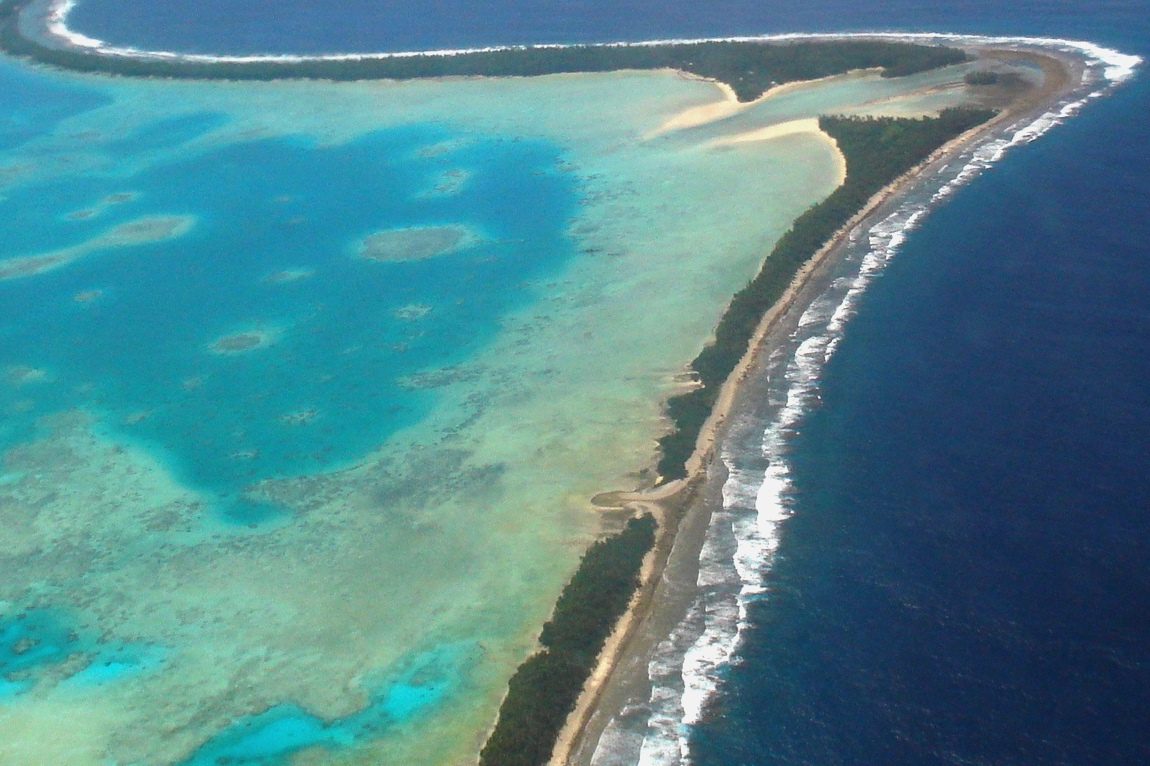
Tuvalu is a chain of reef islands and atolls, mostly less than 2 meters above the sea. About half of its 10,600 people live in one corner of the capital, Funafuti.
A 13-year-old student, Melelusi Sokotia, spoke to the leaders. "We all have one single dream: to grow safely here in Tuvalu," she said.
Money was a sharp theme. "Why should countries like Tuvalu take on more debt to protect ourselves from a climate crisis we did so little to cause?" Prime Minister Feleti Teo asked. Climate minister Maina Talia warned, "COP31 cannot be another talk shop," AAP reported.
Visitors toured a project that is building new land with sand and gravel dredged from the lagoon. It aims to add more than 20 hectares, about 50 acres, by the end of 2026. The land will sit 6 meters above the reef flat, above even the highest tide of 3.2 meters, project manager Alan Resture told AAP. It will hold homes, schools and hospitals. Tuvalu's climate director, Jamie Ovia, said flood and storm damage could cost $63 million a year by 2100, more than the nation's whole economy.
The oceans add urgency. Australia's weather bureau said global sea surface temperatures hit a September record, about 1.06 degrees Celsius above the 1961 to 1990 average, RenewEconomy reported.
Albanese, on his first official visit to Tuvalu, said leaders must keep the 1.5-degree warming goal "very much on the table."
What we know: Pacific leaders are pressing COP31 to hold the line on fossil fuels and fund adaptation.
What we don't: Whether oil-producing nations will accept that at the summit in Turkey.
Where outlets agree The Guardian and AAP both report that 14 national leaders visited Tuvalu on Tuesday and that Prime Minister Feleti Teo said Tuvalu should not have to borrow to survive climate change.
Where they differ Pacific leaders call the Dubai fossil-fuel pledge settled, but The Guardian reports support for it has wavered, led by oil-producing nations.