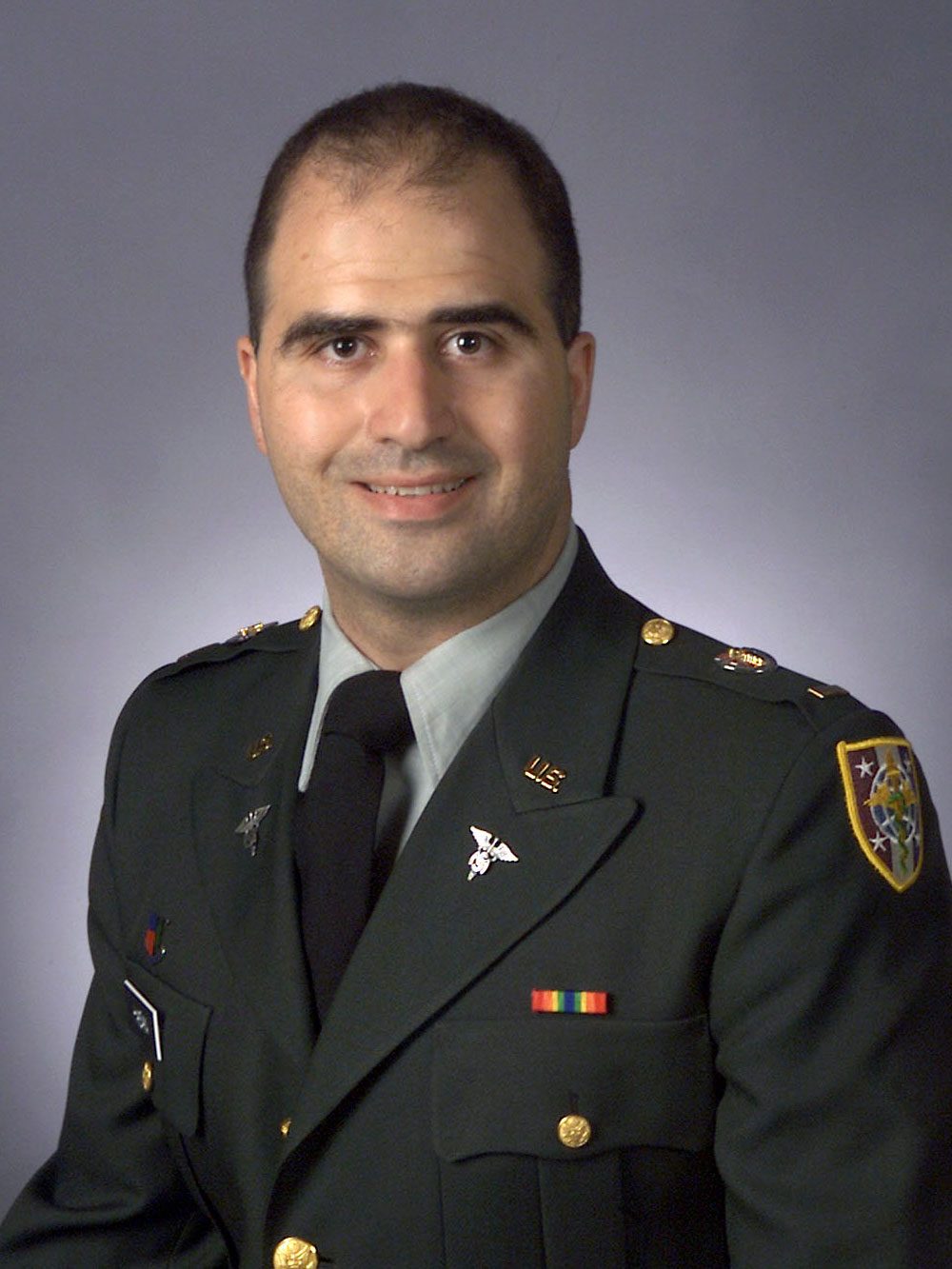
Trump approves Army firing squad for Fort Hood gunman Nidal Hasan
President Trump approved a plan to execute Nidal Hasan by Army firing squad, the Pentagon said Monday night. Hasan killed 13 people and wounded 32 at Fort Hood, Texas, in 2009. It would be the first execution after a U.S. military court-martial since 1961, and the Army must still pick a time and place.
The Pentagon said Monday evening that President Donald Trump approved a recommendation from Defense Secretary Pete Hegseth to execute Nidal Hasan by U.S. Army firing squad. Hasan killed 13 people and wounded 32 at Fort Hood, Texas, on Nov. 5, 2009.
Pentagon spokesman Sean Parnell announced the decision on X. "Judgement day for Hasan has finally come," he wrote. Hegseth added one word: "Justice." Parnell said the secretary of the Army will set the time and place. No date has been announced.
The clock is set by Army rules. ABC News reports that Army policy calls for an execution no sooner than 60 days and no later than 150 days after the president approves it. Army rules also call for at least two news outlets to witness it. ABC reported in June that the Army had been planning for military executions under an internal plan called "Operation Resolute Justice."
The 2009 attack happened in a crowded medical building where soldiers were waiting for checkups and shots before they deployed. The BBC calls it the deadliest non-combat attack ever on a U.S. military base. Twelve soldiers and one civilian died. Hasan was shot, badly wounded and arrested. At his 2013 court-martial, he said he acted to defend the Taliban. A military jury convicted him and sentenced him to death.
The case has moved slowly since then. The Supreme Court turned down his appeal in March 2025. Hegseth asked Trump to approve the execution that September. Under federal law, a person sentenced to death by a court-martial cannot be executed until the president approves.
The step is rare. The last U.S. military execution was in 1961, when Army Pvt. John Bennett was hanged at Fort Leavenworth, Kansas. Hasan, now 56, is one of four people on military death row. The BBC reports it would be the first military execution by firing squad since World War II. South Carolina carried out a firing-squad execution last year, the first in the U.S. in 15 years.
What we know: Trump approved death by firing squad, and the Army secretary will set the date and place.
What we don't: When and where it will happen, or whether new legal fights will delay it.
Where outlets agree CNBC and ABC News both report that Trump approved Hegseth's recommendation to execute Hasan, who killed 13 people at Fort Hood in 2009.
Where they differ The Pentagon says justice has finally come, but no date or place has been named, and ABC News says Army rules allow anywhere from 60 to 150 days.