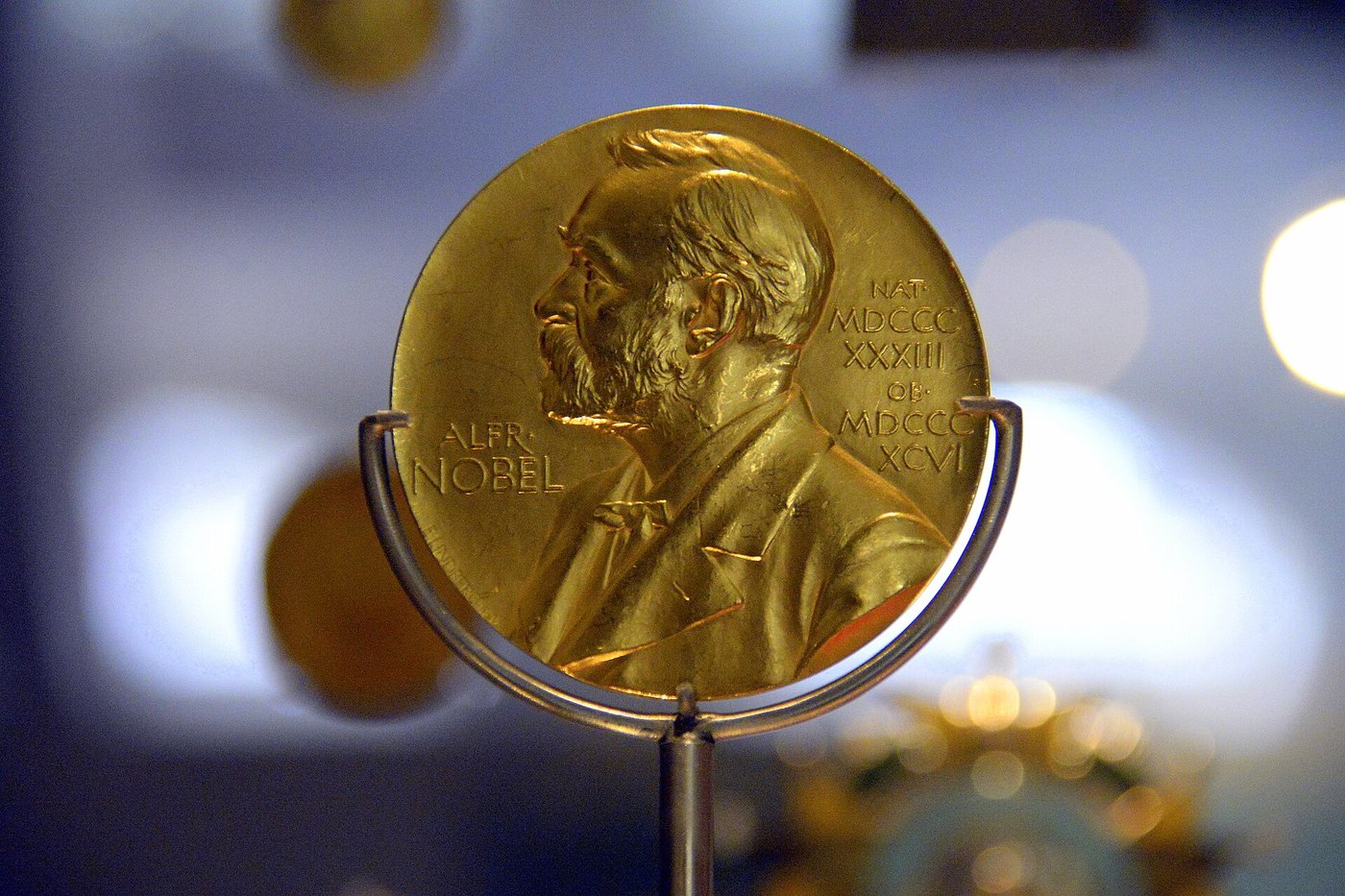
US and German scientists win Nobel Medicine prize for optogenetics
Updated: Three scientists — Karl Deisseroth of Stanford and Peter Hegemann and Georg Nagel of Germany — won the 2026 Nobel Prize in Physiology or Medicine on Monday for optogenetics, a way to switch brain cells on and off with light. The three will share 12 million Swedish kronor, about $1.2 million.
Updated Monday: The 2026 Nobel Prize in Physiology or Medicine goes to Karl Deisseroth, Peter Hegemann and Georg Nagel. The Nobel Assembly at Karolinska Institutet named them in Stockholm "for their discoveries concerning light-gated ion channels and optogenetics." Deisseroth works at Stanford University and the Howard Hughes Medical Institute. Hegemann is at Humboldt University of Berlin, and Nagel is at the University of Würzburg in Germany.
Optogenetics lets scientists turn single nerve cells on or off with light. That helps them test which brain circuits drive memories, feelings and behavior, instead of only guessing from brain scans.
The work started with a tiny green alga called Chlamydomonas, which swims toward light. Hegemann wanted to know how. He and Nagel found a protein on the alga's surface, called channelrhodopsin. When blue light hits it, a channel opens and charged particles rush in, creating an electrical signal. Any cell that carried the protein became sensitive to light.
Deisseroth then put the gene for that protein into rat nerve cells. In 2005 he showed that a flash of blue light could make them fire. Two years later, the method worked in the brains of living mice.
Labs around the world now use the tool to study conditions such as epilepsy, Parkinson's disease, addiction and depression in animals. Early clinical trials are testing it to restore some sight in people blinded by retinitis pigmentosa, an eye disease. Reuters reported that those treatments are still some time away from most patients.
"Optogenetics provides opportunities for mapping the brain in a way that we could once only dream of," said Per Svenningsson, who chairs the Nobel committee.
The three will split 12 million Swedish kronor. Nobel week continues with physics on Tuesday, chemistry on Wednesday, literature on Thursday and peace on Friday.
What we know: Deisseroth, Hegemann and Nagel share the 2026 medicine prize for optogenetics.
What we don't: When light-based treatments will reach patients outside trials.
Where outlets agree The Nobel Assembly, Reuters and the BBC all report that Deisseroth, Hegemann and Nagel share the 2026 medicine prize for optogenetics and will split 12 million Swedish kronor.
Where they differ Reuters traces Hegemann's alga research to the early 1990s, while the Nobel Assembly and the BBC date the channelrhodopsin discovery to the early 2000s.