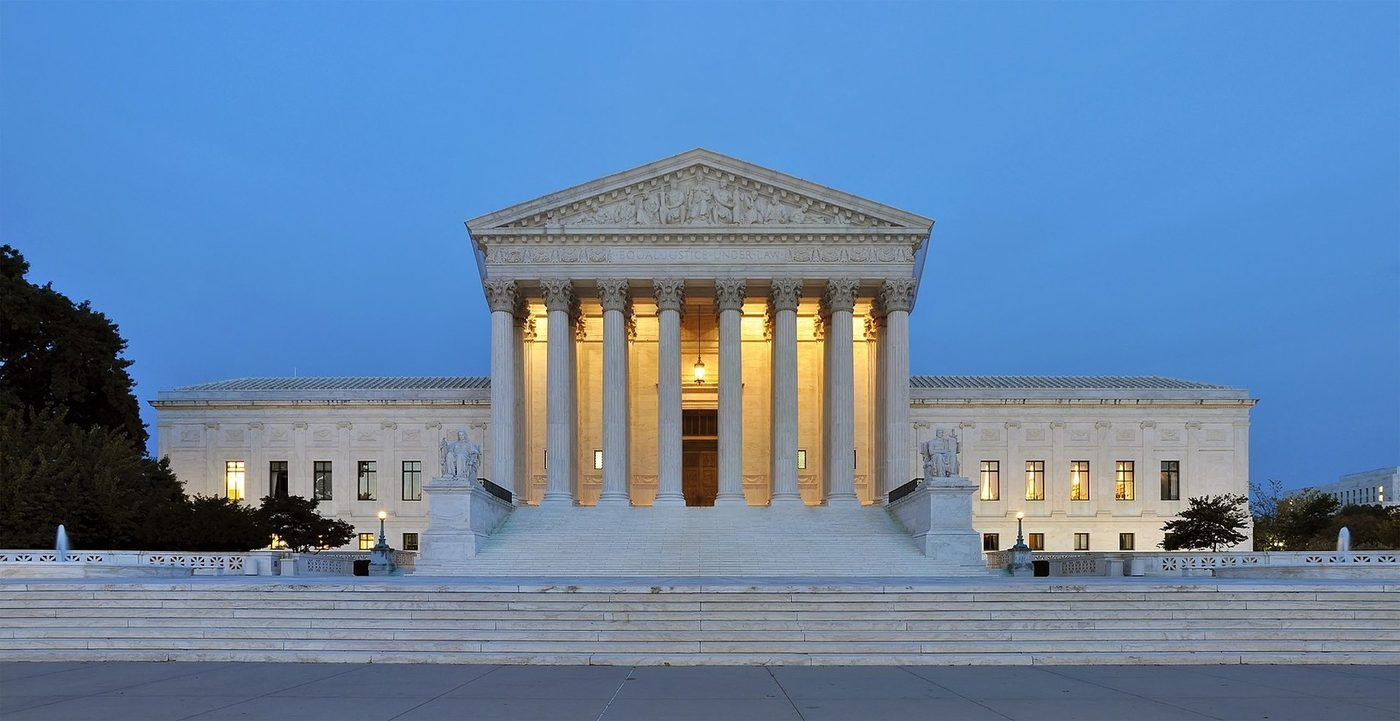
Supreme Court hears Boulder climate suit Oct. 5; Alito out
The Supreme Court argues Suncor Energy v. Boulder County on Monday, testing whether federal law blocks state climate-damage lawsuits against energy companies. Justice Samuel Alito will not participate in the argument. The case could reshape city and county climate tort strategies nationwide.
Monday’s first argument day of the new term puts climate liability at the lectern. SCOTUSblog lists Suncor Energy Inc. v. County Commissioners of Boulder County for argument Oct. 5 — whether federal law precludes state-law claims seeking relief for injuries allegedly caused by greenhouse-gas emissions, plus whether the Court has jurisdiction to hear the case now. Justice Samuel Alito will not participate, the Clerk noted Sept. 28 after he stepped aside from the major Boulder climate dispute; Colorado Public Radio covered the recusal for local readers.
For coastal and mountain communities watching their own suits, the stake is whether state courts remain open for public-nuisance and similar claims or whether federal displacement closes that door. Energy companies argue national regulation and federal common law should control; Boulder argues traditional state tort remedies still reach alleged deceptive marketing and local damages. An eight-justice bench can still decide the case, but a 4–4 split would leave the Colorado Supreme Court’s result in place without a nationwide rule.
Backstory: Boulder sued in 2018 seeking compensation for costs of protecting property from climate harms, naming Suncor’s Colorado refining arm and ExxonMobil. Dozens of similar city and county cases are pending. The Trump administration filed a brief supporting the companies. Scientists’ physical climate record is not on trial as a jury fact here so much as the legal path for using it.
Where to listen: Supreme Court oral-argument audio typically posts the same day on supremecourt.gov for public listening. Colorado local governments have spent years building the evidentiary record now before the justices; other states are watching for copy-ready theories.
What we know:
Argument is set for Oct. 5; Alito is not participating; the dispute centers on federal preemption of state climate tort claims and the Court’s jurisdiction.
What we don’t:
How the eight participating justices will divide, and whether a narrow jurisdictional ruling avoids the bigger preemption question.
Where outlets agree SCOTUSblog and Colorado Public Radio agree the Boulder-Suncor climate case argues Monday without Justice Alito.
Where they differ Legal analysts still disagree whether the Court will decide broad preemption or a narrower jurisdictional off-ramp.