Hegseth plans four-star Autonomous Warfare Command
Defense Secretary Pete Hegseth announced a new four-star Autonomous Warfare Command to scale drones and AI across the force, aiming to stand it up by Oct. 1, 2027, pending Congress. An interim Project Agincourt will bridge the gap. Career paths for “autonomous warfighters” are part of the plan.
Defense Secretary Pete Hegseth used a Sept. 30 “State of the Force” speech at Quantico to unveil Autonomous Warfare Command, or AUTOWARCOM — “a new four-star combatant command with service-like authorities built to scale autonomous and robotic capabilities across the joint force,” Defense One and Air & Space Forces Magazine report. A follow-on memo targets standup by Oct. 1, 2027. The portfolio covers drones, artificial intelligence, and command-and-control tools.
Interim work shifts to Project Agincourt under Defense Innovation Unit director Owen West and a Navy SEAL test pilot, pairing operators with entrepreneurs and pushing dollars closer to frontline units. Services are to create new occupational specialties for autonomy careers. Senate defense-policy drafters had already floated a similar combatant command in the pending 2027 NDAA; House approval is still required. Hegseth also plugged Project Meridian (Elon Musk, Palmer Luckey, Newt Gingrich), base microgrids under “Fortress America,” and a new Office of Religious Affairs.
For taxpayers and troops, the stake is whether another four-star headquarters accelerates drones that already fly in the Middle East and on the border — or adds bureaucracy Congress has not yet authorized. Watch NDAA conference text, the Agincourt prototype timeline, and any budget line for AUTOWARCOM in FY2028 requests.
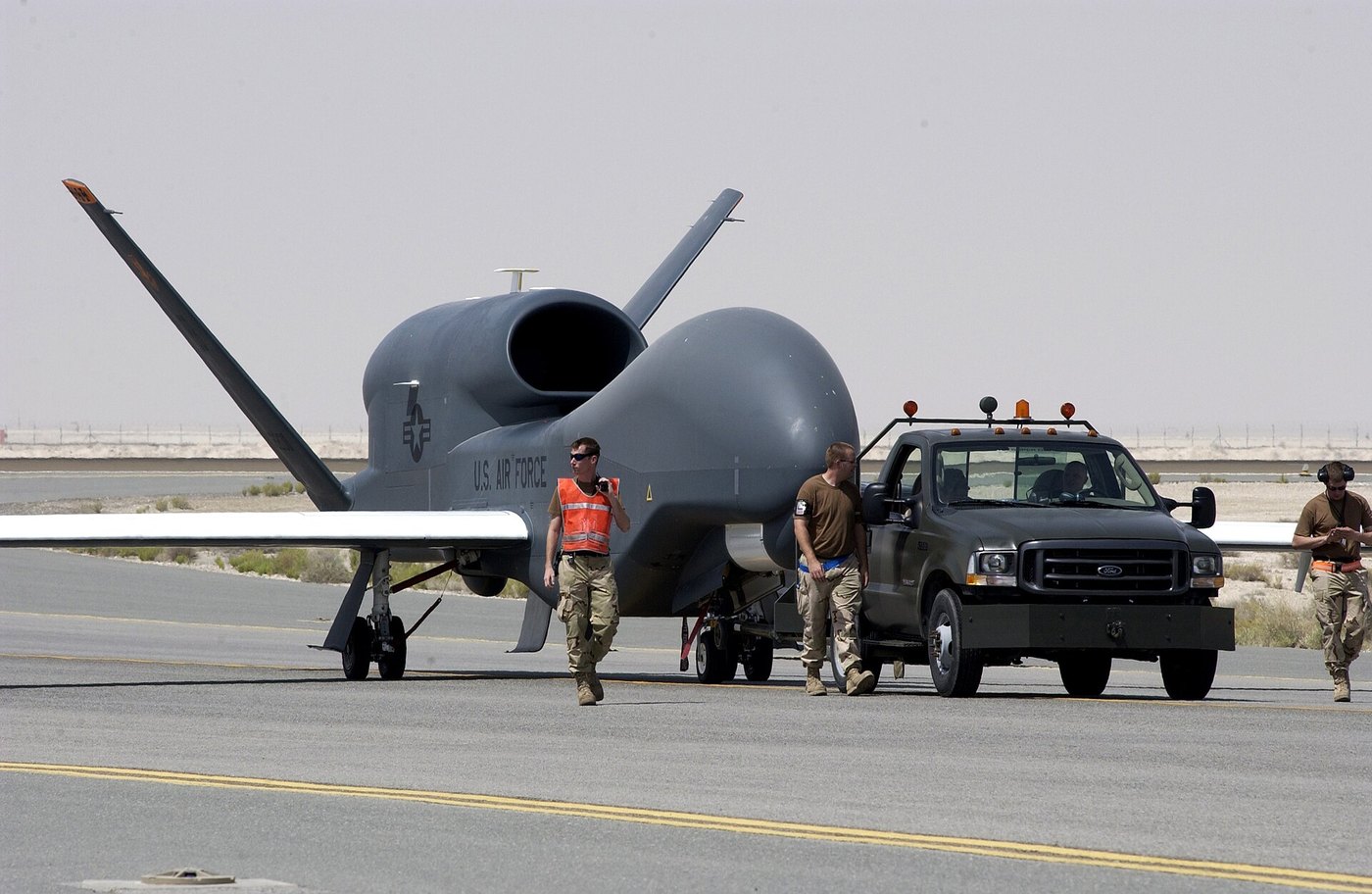
The services already fly collaborative combat aircraft concepts, MQ-25 tanker drones, and uncrewed surface vessels from the Middle East to the Rio Grande. Hegseth’s speech cast AUTOWARCOM as the institutional home for that shift and for new enlisted and officer career fields. Until Congress writes the command into law and appropriations, Agincourt remains a prototype office with a martial name.
What we know:
Hegseth announced AUTOWARCOM with a target of Oct. 1, 2027; Project Agincourt is the interim bridge; congressional authorization remains pending.
What we don’t:
Final command structure, leadership, or whether House and Senate NDAA text will match Hegseth’s memo.
Where outlets agree Defense One and Air & Space Forces Magazine agree Hegseth announced a planned four-star Autonomous Warfare Command targeted for October 2027.
Where they differ Authorization timing and authorities still depend on unfinished House and Senate defense-bill negotiations.