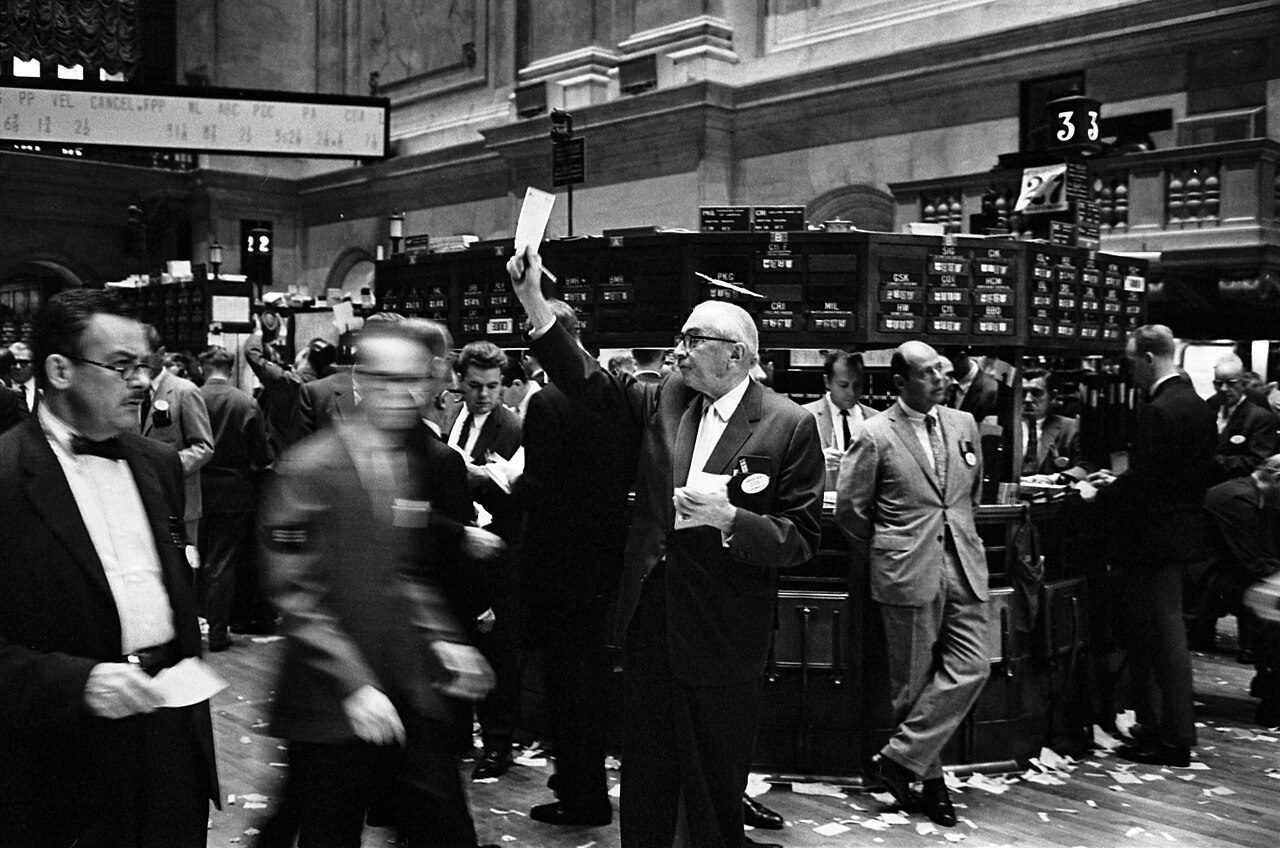
U.S. adds just 29,000 jobs in September; unemployment rises to 4.2%
Payrolls rose 29,000 in September, far below forecasts, as the jobless rate climbed to 4.2%. Wage growth slowed to 3.0% year over year, the softest since 2021.
The U.S. economy added only 29,000 nonfarm payroll jobs in September, and the unemployment rate rose to 4.2%, the Bureau of Labor Statistics reported Friday at 8:30 a.m. Eastern. That hiring pace missed Wall Street’s roughly 84,000 consensus and trailed the prior 12-month average gain of about 45,000. BLS said employment in all major industries changed little over the month.
Average hourly earnings for private workers edged up 5 cents, or 0.1%, to $37.81. Over the past year wages are up 3.0% — the slowest annual rise since May 2021. The average workweek held at 34.4 hours. About 7.1 million people were unemployed. Revisions cut earlier totals: July flipped from a 21,000 gain to a 10,000 loss, and August was trimmed from 162,000 to 133,000, a combined 60,000-job downward revision.
Private payrolls rose 46,000 while government employment fell 17,000. Health care added 17,000 jobs, construction 11,000, and manufacturing 9,000. Information lost 10,000, temporary help about 11,000, and financial activities 7,000. CNBC and Yahoo Finance matched the BLS tables on payrolls, the jobless rate, wages, and the two-month revision.
Backstory: August’s strong print had looked like a rebound after weak summer months. Wednesday’s softer August core PCE at 3.0% year over year had already dialed back near-term Fed hike odds. Friday’s soft jobs-and-wages combo pushed markets the same way — stock futures rose and Treasury yields fell as traders priced a higher chance the Fed holds at its late-October meeting.
Engage: full tables at bls.gov/news.release/empsit; same-day takes on CNBC and major wires. Next Employment Situation (October data) is set for Friday, November 6, at 8:30 a.m. Eastern.
Where outlets agree BLS, CNBC, and Yahoo Finance agree September nonfarm payrolls rose 29,000, unemployment rose to 4.2%, and average hourly earnings rose 0.1% to $37.81 (up 3.0% over the year).
Where they differ Desks differ on how far the soft print locks a longer Fed pause — some call October hike odds dead, while others still flag December if inflation stays sticky above 2%.