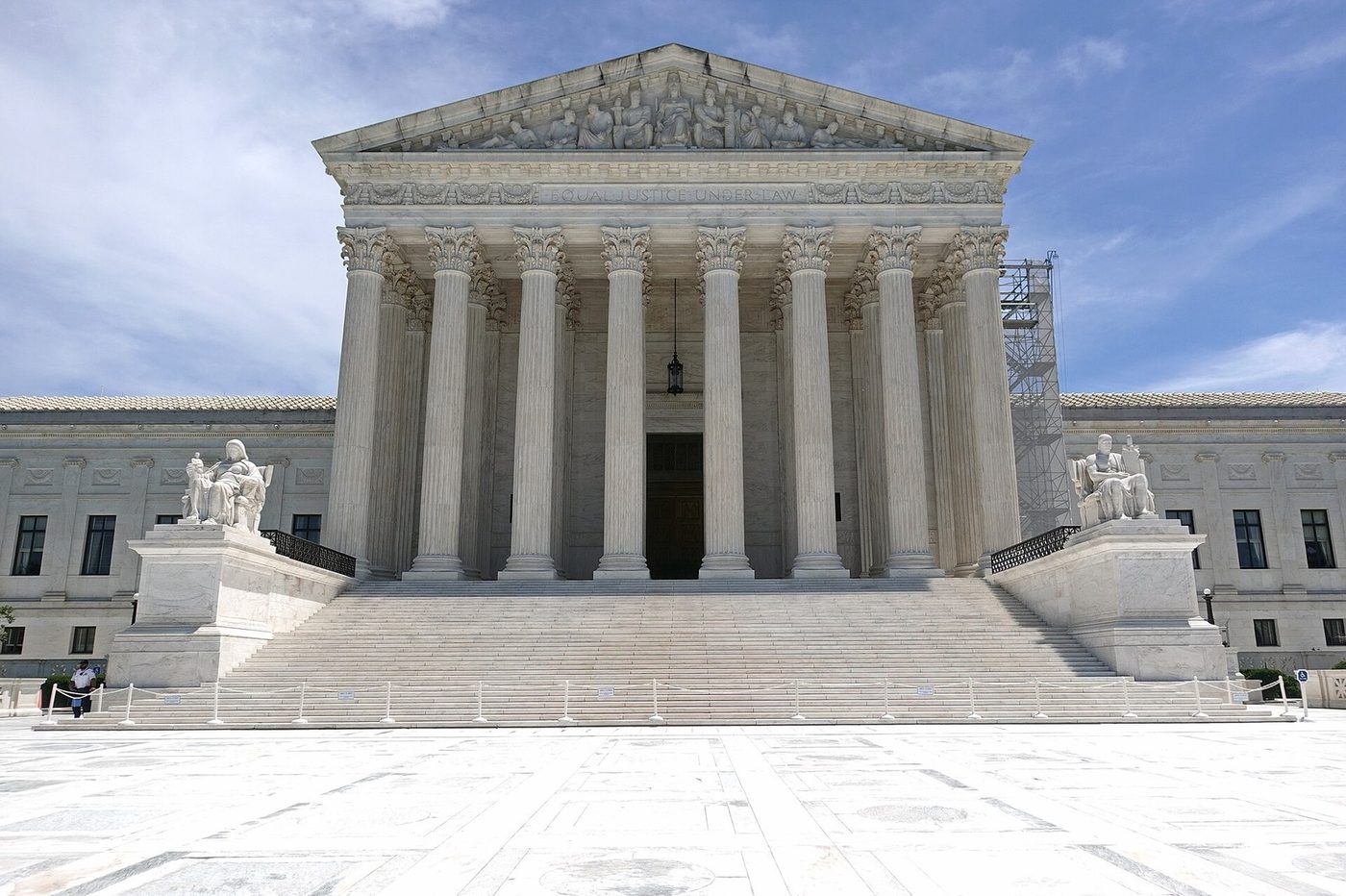
Arizona prison healthcare receiver advances after Supreme Court stay denial
The Supreme Court left an Arizona prison-healthcare receivership on track to start around Oct. 19. State officials warn about cost; advocates call care failures overdue for a fix, with next court or Capitol steps still unfolding.
Arizona’s prison-healthcare receivership is moving ahead after the Supreme Court denied a stay in Thornell v. Jensen, Arizona Mirror and SCOTUSblog’s case page report. A receiver is expected to begin running medical care around October 19 while the Ninth Circuit still hears merits argument on December 7. Justice Elena Kagan’s chambers handled the stay paperwork; the denial means district-court machinery can start without a high-court freeze.
Gov. Katie Hobbs’s administration and corrections officials have warned about cost and loss of state control. Prisoner-rights advocates say years of inadequate care findings left little choice. Nationally, the fight lands in a broader politics of court-supervised institutions — immigration detention, prisons, and police consent decrees — that both parties weaponize in campaign ads.
Backstory: federal courts appoint receivers when they find persistent constitutional violations in custody settings. Overnight packages the stay denial as confirmed; implementation details will sticky later. Watch the receiver’s first public order and any Arizona legislative funding fight.
Arizona legislators will face a choice between funding the receiver’s plan and fighting it in public hearings that keep the issue alive into 2027. National parties may export the fight as a symbol of soft-on-crime courts versus neglected inmates — both frames already appear in draft talking points. The December Ninth Circuit argument remains the legal main event after the Oct. 19 operational start.
Arizona legislators will choose between funding the receiver’s plan and fighting it in hearings that keep the issue alive into 2027. National parties may export the fight as soft-on-crime courts versus neglected inmates. The December Ninth Circuit argument remains the legal main event after the mid-October operational start.
Where outlets agree Arizona Mirror and SCOTUSblog agree the stay denial lets the prison-healthcare receiver move toward an mid-October start.
Where they differ State officials cast the receiver as costly overreach; advocates say court control is the only way to fix dangerous care gaps.