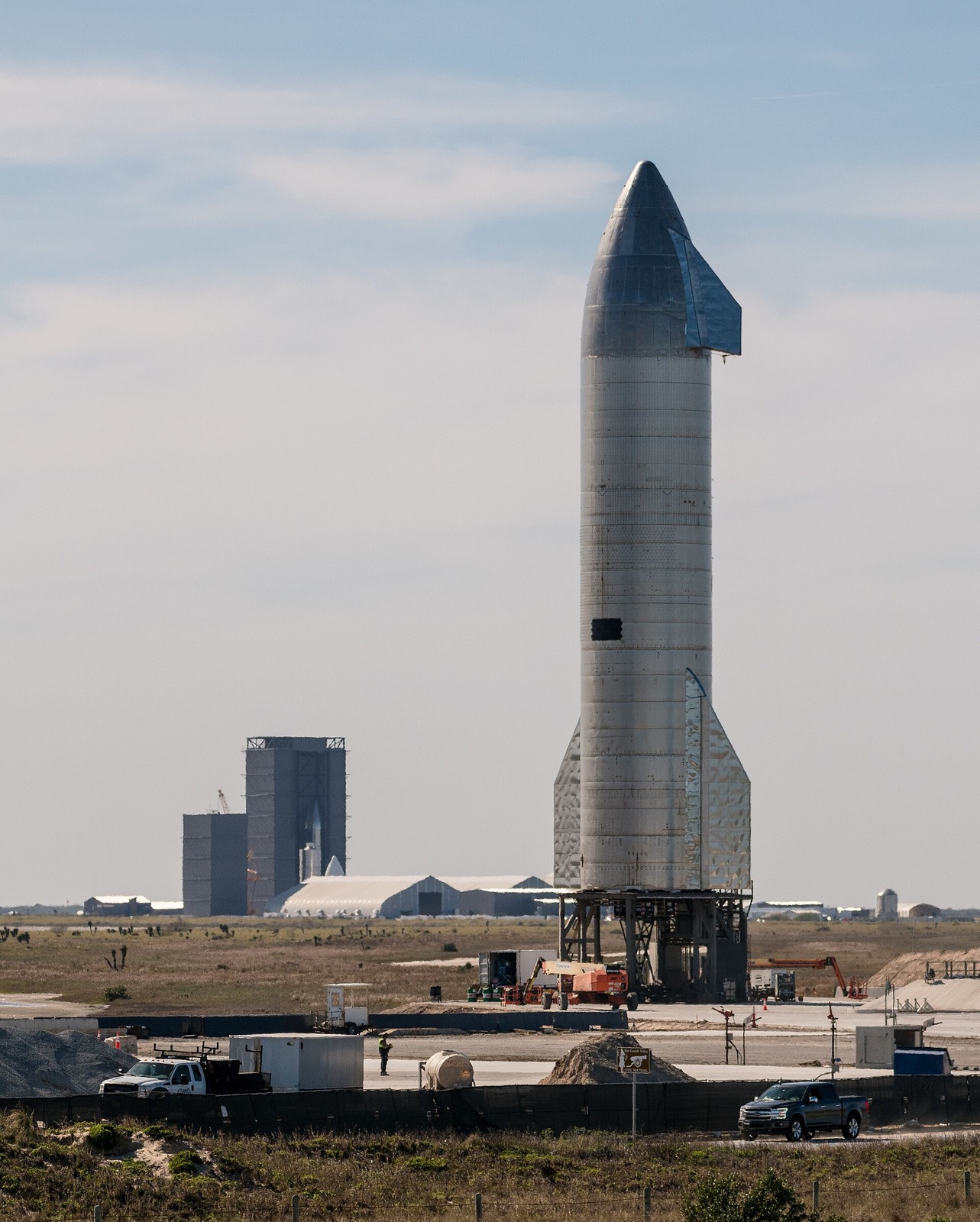
Starship Flight 14 targets Monday ~8:15 a.m. ET for first orbit
SpaceX targets Starship Flight 14 for Monday at about 8:15 a.m. ET from Starbase. It is the first try to put Starship in orbit and deploy Starlink V3 satellites if weather and range allow.
SpaceX is targeting Monday, September 28, for Starship Flight 14 — the first attempt to place the giant vehicle in Earth orbit — with a roughly 75-minute window that opens at 8:15 a.m. Eastern (7:15 a.m. Central) from Starbase’s Pad 2 in South Texas. If Monday slips, SpaceX has listed backup beach-closure days on September 29 and 30 with the same morning timing expected.
Until now, Starship flight tests stayed on intentionally suborbital, passively safe paths so SpaceX could learn while limiting public risk. Flight 14 is meant to open the next phase: full and rapid reuse. The upper stage is planned to reach about 275 kilometers (171 miles) altitude, complete roughly six orbits over nearly 10 hours, then splash down in the Pacific west of Chile. The Super Heavy booster is not planned for a tower catch on this flight; SpaceX expects a soft water landing in the Gulf of Mexico after boostback and landing burns.
Flight 14 is also the third Starship Version 3 flight this year. It follows Flight 13 in July, which SpaceX described as its softest Ship landing yet — soft enough that the vehicle floated for weeks and could be recovered for study at Starbase. That suborbital flight had already demonstrated a Starlink V3 deploy demo; Flight 14 aims to put the first operational V3 satellites into orbit. SpaceX says the Ship will carry 26 Starlink V3 satellites, each adding about 1 Tbps of capacity — roughly 10 times a Falcon 9 V2 mini load in the company’s framing. Deploy is listed to begin about 34 minutes after liftoff through a Pez-style door and run about half an hour. SpaceX has also tied Starship orbital success to its path toward landing NASA Artemis astronauts with a Ship by 2028.
How to watch: SpaceX’s webcast is set to start about 30 minutes before liftoff on spacex.com and on X (@SpaceX) — about 7:45 a.m. Eastern if the window opens on time — with coverage planned through the long orbital flight. Space.com plans to simulcast. Independent pad cameras and commentary typically run earlier on NASASpaceflight (their Flight 14 stream has been listed from about 4:15 a.m. Eastern). Confirm the live window on the mission page before setting alarms; weather and range remain the scrub variables inside the window.
Where outlets agree Space.com and SpaceX agree Flight 14 targets a Monday morning ET window for Starship’s first orbital attempt and a Starlink V3 deploy.
Where they differ Whether weather, range, or a technical hold forces a scrub — and a slide to the Sept. 29–30 backups — stays open until countdown day.