Trump publicly rejects Iran’s seven-day Hormuz reopen plan
President Trump publicly rejected Iran's Qatar-backed plan to reopen the Strait of Hormuz within seven days. Earlier reports said he had already refused in private and discussed strikes after the midterms.
President Trump publicly rejected Iran's Qatar-backed plan to reopen the Strait of Hormuz within seven days, telling reporters at the White House on Saturday, "I reject their proposal." Earlier Wall Street Journal reporting said he had already dismissed the plan in private and told aides he expects to resume bombing after November midterms.
Iran had transmitted the framework via Qatari mediators during UN General Assembly week. Foreign Minister Abbas Araghchi said Friday that if the United States lifts its naval blockade, waives oil sanctions, releases roughly $12 billion in frozen funds, and observes a ceasefire covering Lebanon and Yemen, Hormuz could reopen and nuclear talks could start by day seven. The Hindu and Al Jazeera noted the package largely compresses terms from the failed June memorandum of understanding.
Trump framed the ask as weakness. "They want to make a deal where they open the Strait immediately because they're losing so badly," he said before departing for Tennessee. He also posted that Iran "CAN NOT HAVE A NUCLEAR WEAPON," the New York Post reported. CNA and PBS circulated the same public rejection across weekend wires.
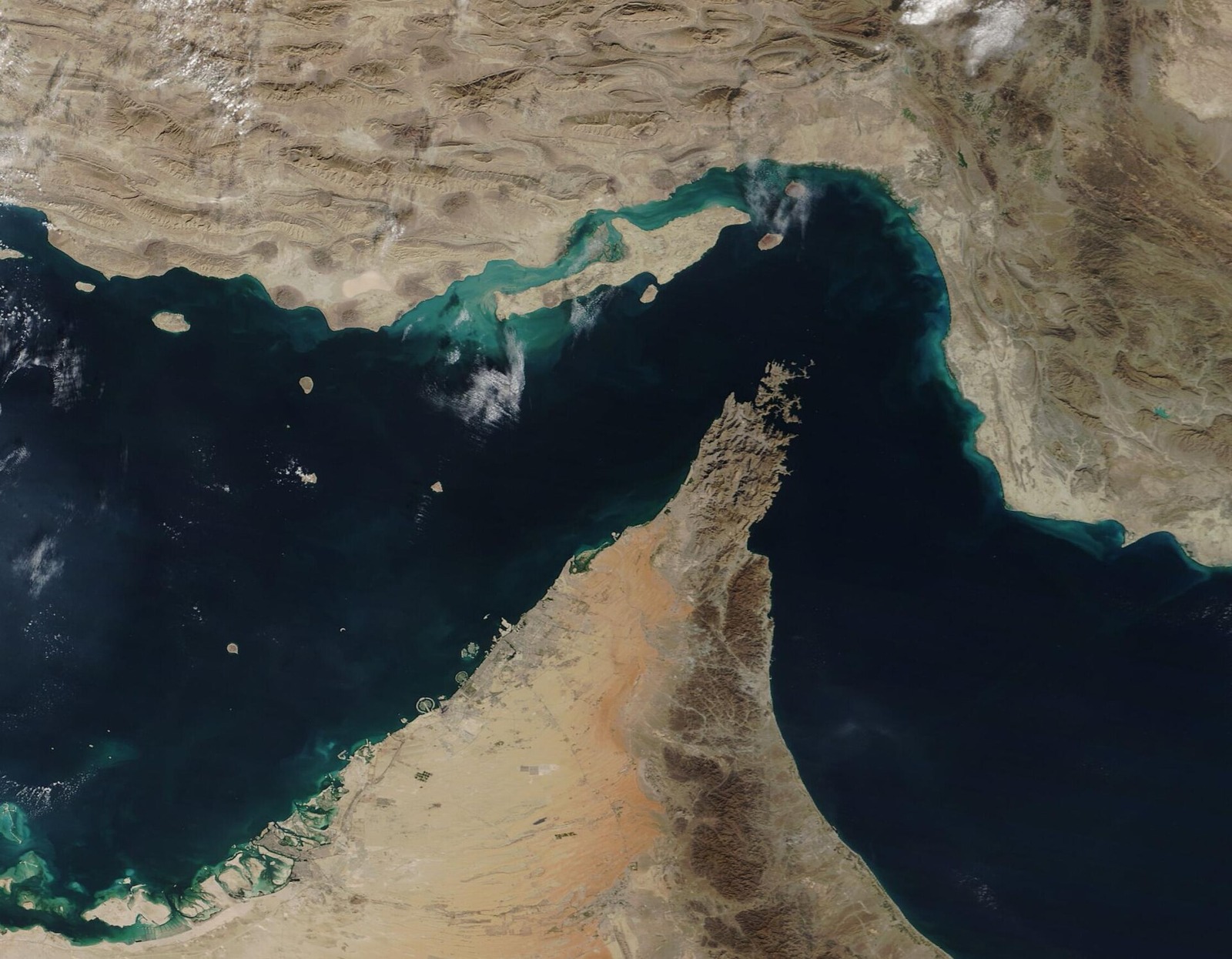
Energy desks had eased Friday on diplomacy hopes; the Saturday no put Hormuz premium talk back on the board. Roughly one-fifth of the world's seaborne oil typically moves through the strait, which Iran constrained after the U.S.–Israel war began in late February. U.S. secondary-sanctions threats have already disrupted some regional aviation and trade links.
Tehran mixed readiness warnings with continued talk. Iran's military command said it would not start a wider war but was ready to defend territory if pressed, while Araghchi's team signaled it may remain in New York into midweek for mediator contacts. Accounts agree on the public rejection; they diverge on whether any narrower shipping confidence measure can still be salvaged or whether post-midterm strike options stay primary.
Watch Qatar mediator cables, any White House written reply, oil and war-risk quotes into Monday, and Waltz or Pentagon language on bombing timelines.
Where outlets agree Al Jazeera, CNA, and the New York Post agree Trump publicly rejected Iran's seven-day Hormuz reopen and ceasefire framework on September 26 after WSJ reporting of a private rejection.
Where they differ Iranian and Al Jazeera accounts keep mediator diplomacy open and cast the plan as a path out of deadlock; New York Post and administration-aligned framing stress Iran negotiating from weakness, the nuclear red line, and possible resumed airstrikes after November midterms.