Atlantic stays quiet as strong El Niño adds wind shear
Only six named Atlantic storms have formed by late September, with no hurricanes yet—experts largely blame very strong El Niño wind shear. NOAA had already lowered seasonal expectations; the Pacific basin, by contrast, has been hyperactive.
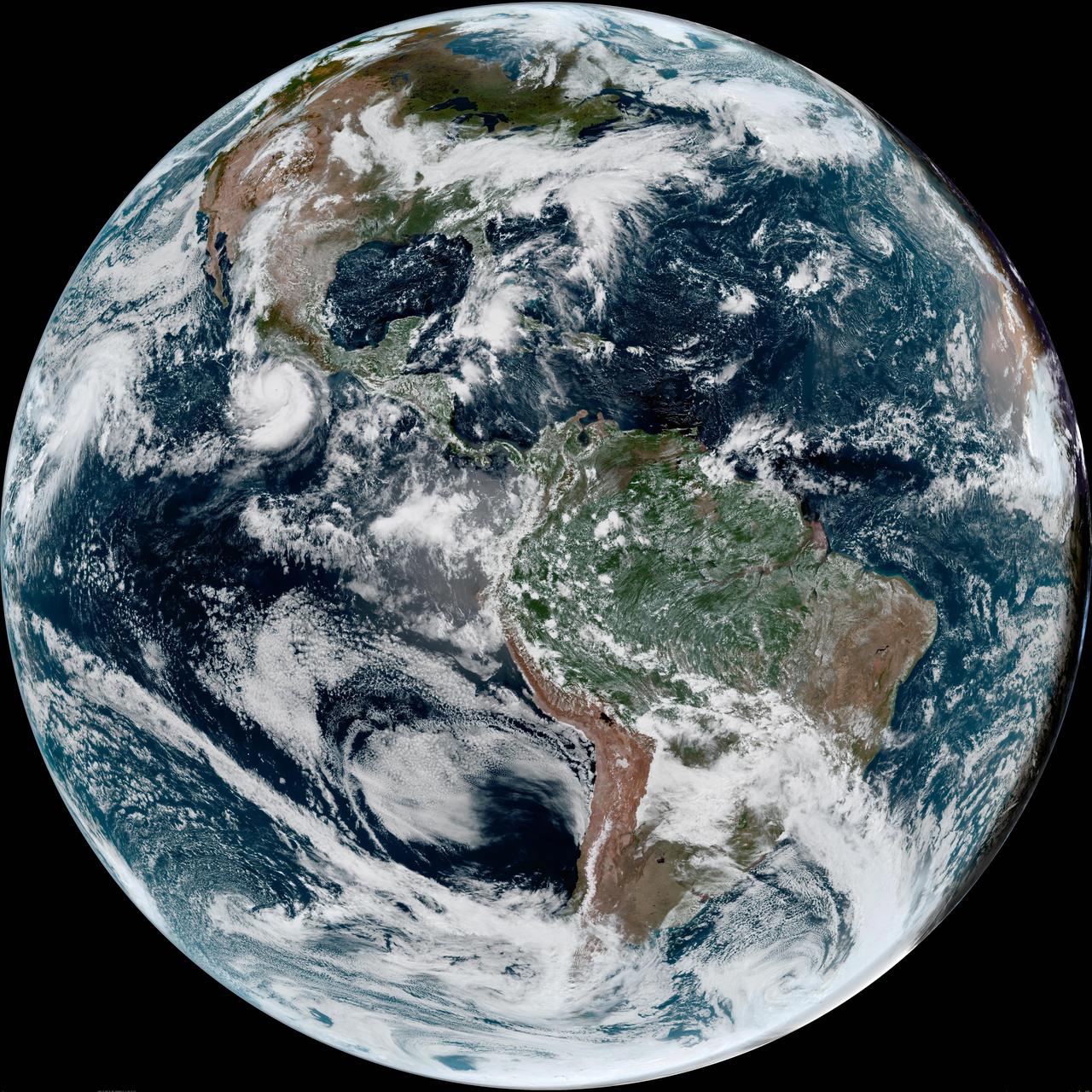
The Atlantic hurricane season remains unusually quiet into late September: only six named storms by CBC’s count, most short-lived, and no hurricanes yet—conditions experts largely attribute to a very strong El Niño generating destructive wind shear across the basin.
Colorado State University’s Phil Klotzbach said this year the blame can rest “pretty much” on El Niño alone rather than a tangle of factors. NOAA Climate Prediction Center meteorologist Lindsey Long explained that warmer-than-normal eastern Pacific waters help create vertical wind shear—strong upper winds over weaker lower winds—that “destroys the hurricane structure” Atlantic storms need to organize. Tropical Storm Fay recently reached about 112 km/h, just shy of hurricane strength, while forming unusually far north near 32°N instead of the more typical ~20°N genesis belt.
The quiet is not a surprise. NOAA’s May outlook called for 8–14 named storms and 3–6 hurricanes; its August update lowered expectations to 7–13 named storms and 2–6 hurricanes. Klotzbach said he would be surprised by a zero-hurricane finish but sees low odds of anything substantial from the deep tropics; the Gulf of Mexico retains a somewhat better chance because shear is weaker there than in the Caribbean. Short-lived Gulf storms have already affected Louisiana communities, underscoring that “quiet” is not the same as risk-free.
The Pacific tells the opposite El Niño story: CBC cited 16 named Pacific storms with more forming, while other outlets put combined central/eastern Pacific named counts near 18, including multiple Category 5s. Forecasters still urge vigilance through peak season’s tail and note that years after strong El Niño events can flip toward busier Atlantic seasons—though 2027 remains uncertain. For readers, late-September quiet is real and forecast-consistent, not a promise the rest of the season stays blank.