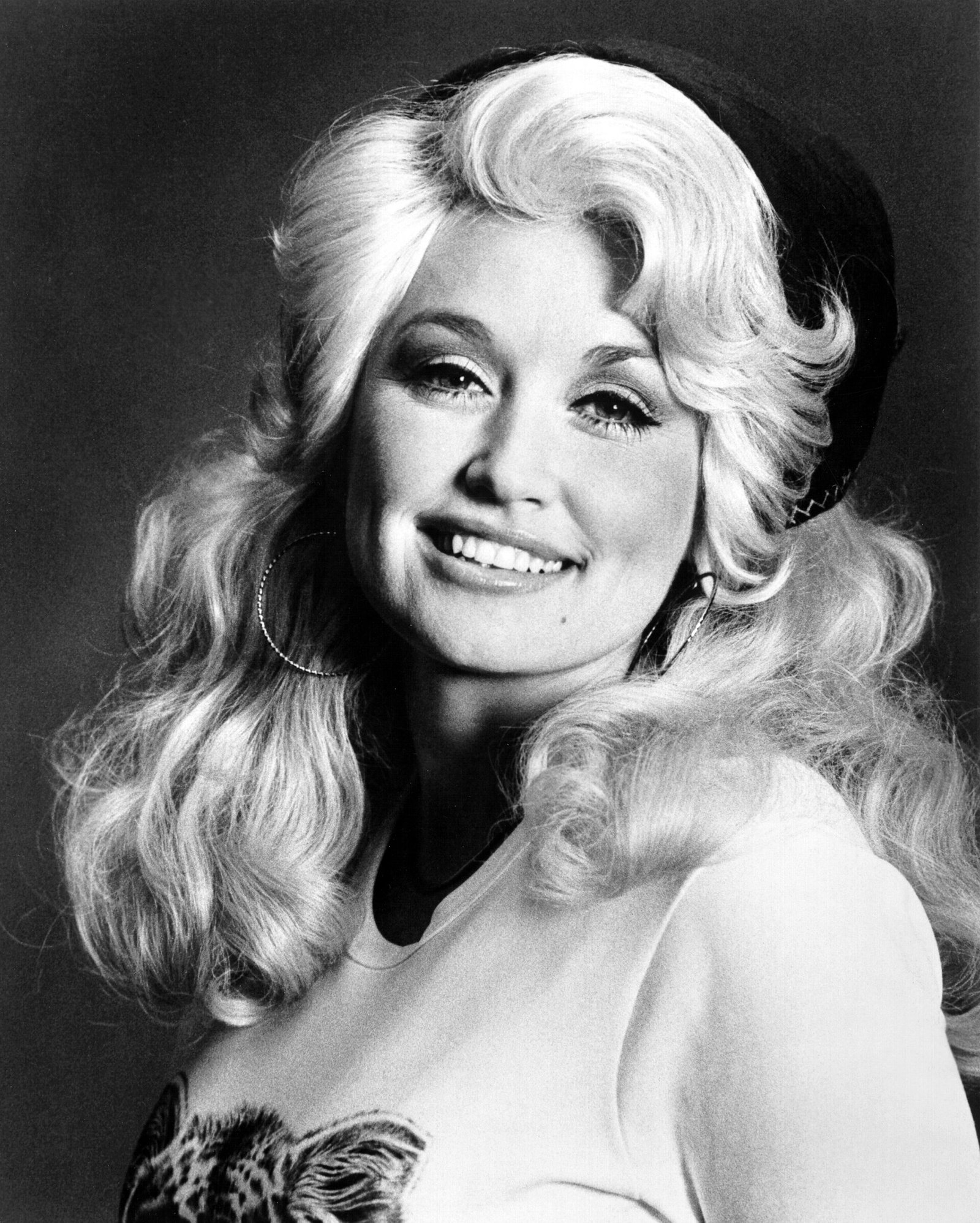
Parton and Steinem deaths reshape feminist culture talk
PBS NewsHour noted that Dolly Parton’s Aug. 25 death and Gloria Steinem’s Sept. 2 death, eight days apart, prompted dual remembrances of contrasting feminist influence—Parton’s cultural reach and Steinem’s organizing legacy—as Steinem’s final book lands.
The deaths of Dolly Parton on Aug. 25 and Gloria Steinem on Sept. 2—eight days apart—prompted dual remembrances of two contrasting public models of women’s autonomy, PBS NewsHour and Associated Press reporting noted, just as Steinem’s final book reaches stores.
Steinem embodied explicitly political second-wave feminism: the Playboy Bunny exposé, Ms. magazine, and decades of organizing for candidates and the Equal Rights Amendment. Parton rejected the feminist label and partisan politics while writing songs about women’s hardships, equal pay, and respect, insisting she had fans “on both sides of the fence.” Steinem herself argued in a 1987 Ms. “Women of the Year” essay—re-run after Parton’s death—that if feminism means finding unique power and helping other women do the same, Parton qualified. Parton publicly declined the word, associating it with extremes she rejected, even as lyrics such as “9 to 5” and “Just Because I’m a Woman,” plus philanthropy in Appalachia, tracked many feminist concerns. She famously avoided endorsing candidates, once calling both Trump and Hillary Clinton “nuts” when pressed in 2016.
Mourning patterns differed. Trump ordered flags half-staff for Parton with broad cross-partisan grief; Steinem’s tributes clustered among liberal and centrist figures, with Hillary Clinton among those saluting her optimism. Commentators described complementary torches: dreaming big versus speaking up. Steinem’s An Unexpected Life, arriving posthumously, extends her insistence that labels matter less than whether women define themselves—and that feminism must include all women. The paired losses arrive amid unresolved ERA ratification, post-Roe abortion politics, and partisan splits over who claims the feminist mantle in 2026.