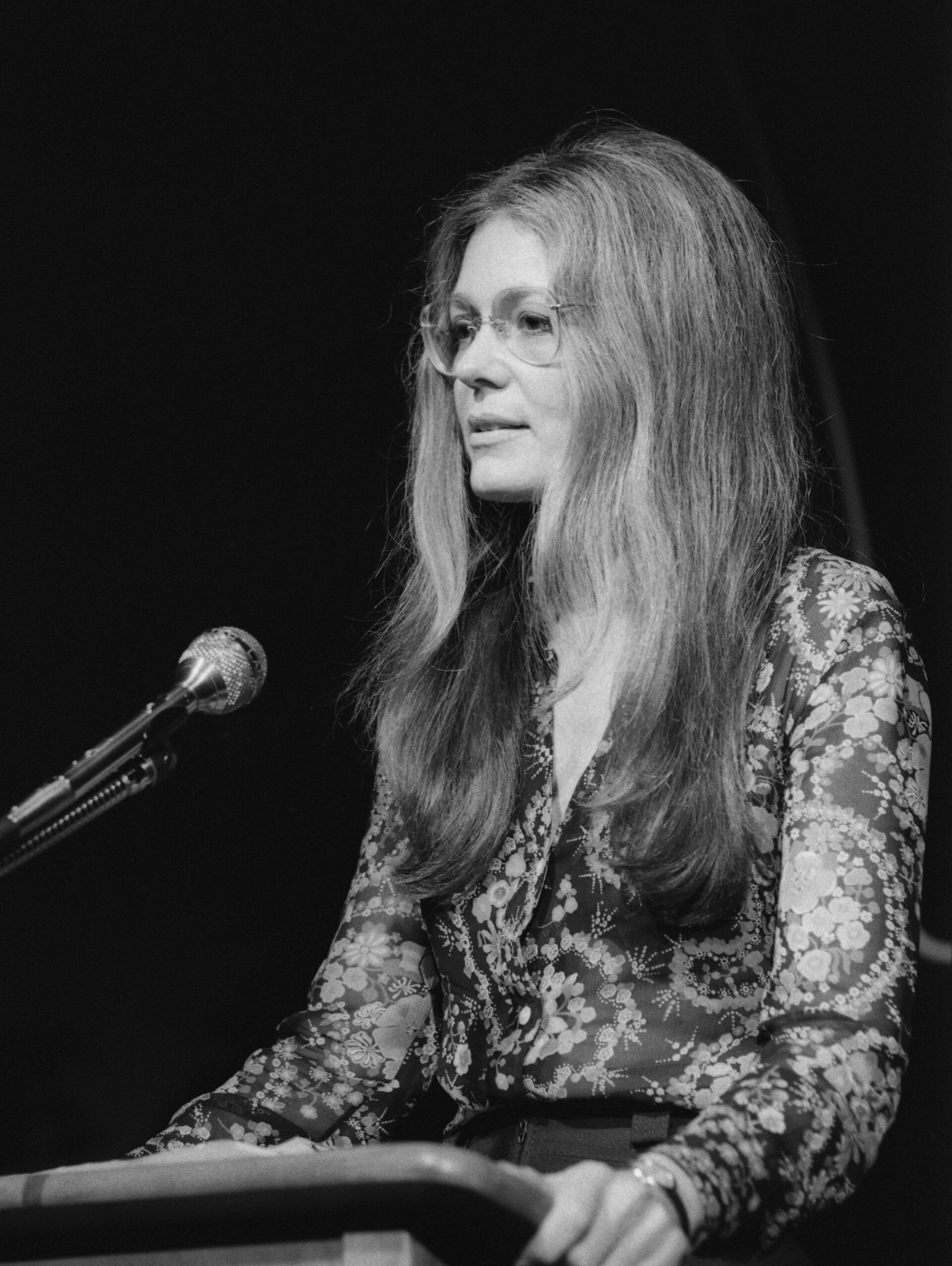
Steinem’s posthumous memoir ‘An Unexpected Life’ arrives
Gloria Steinem’s essay collection An Unexpected Life is out from Random House weeks after her death at 92 on Sept. 2. USA TODAY and Washington Monthly highlight its focus on community organizing, intersectional feminism, and lessons she said she still expected years ahead to share.
Gloria Steinem’s essay collection An Unexpected Life arrives from Random House weeks after her death at 92 on Sept. 2, offering a posthumous, forward-looking set of reflections on community organizing, intersectional feminism, and ordinary people’s capacity to drive change.
USA TODAY notes the irony of Steinem writing that she still expected “many years ahead” shortly before publication. Though billed as a memoir, she is not the central character; essays elevate women who shaped her and voices often left out—consistent with her Netflix Famous Last Words remark hoping she was not “the face” of feminism. Washington Monthly similarly cast the book as a feminist humanist’s last word on community and unfinished work.
Recurring lessons include change growing “from the bottom up like a tree” through living-room talking circles that remove hierarchy; guidelines urge sitting in circles and listening as much as speaking. Steinem revisits childhood caregiving for her mother in East Toledo, her India fellowship’s lessons on nonviolent community change, the Playboy Bunny exposé, and Ms. magazine’s sold-out debut. She rejects “white feminism” as a contradiction—“if it’s all white, it isn’t feminism”—and describes declining non-diverse events even when mainstream coverage still centered her. On aging, she writes that each life stage has unique value and that young and old should learn as equals, not only as mentors and mentees. Hope, she writes, “is a form of planning.”
The book’s release also intersects cultural mourning paired with Dolly Parton’s death eight days earlier, but this card stays with Steinem’s text and stated philosophies rather than the dual-remembrance frame reserved for the companion Entertainment story.