VFC delay leaves half of U.S. kids without new COVID shots
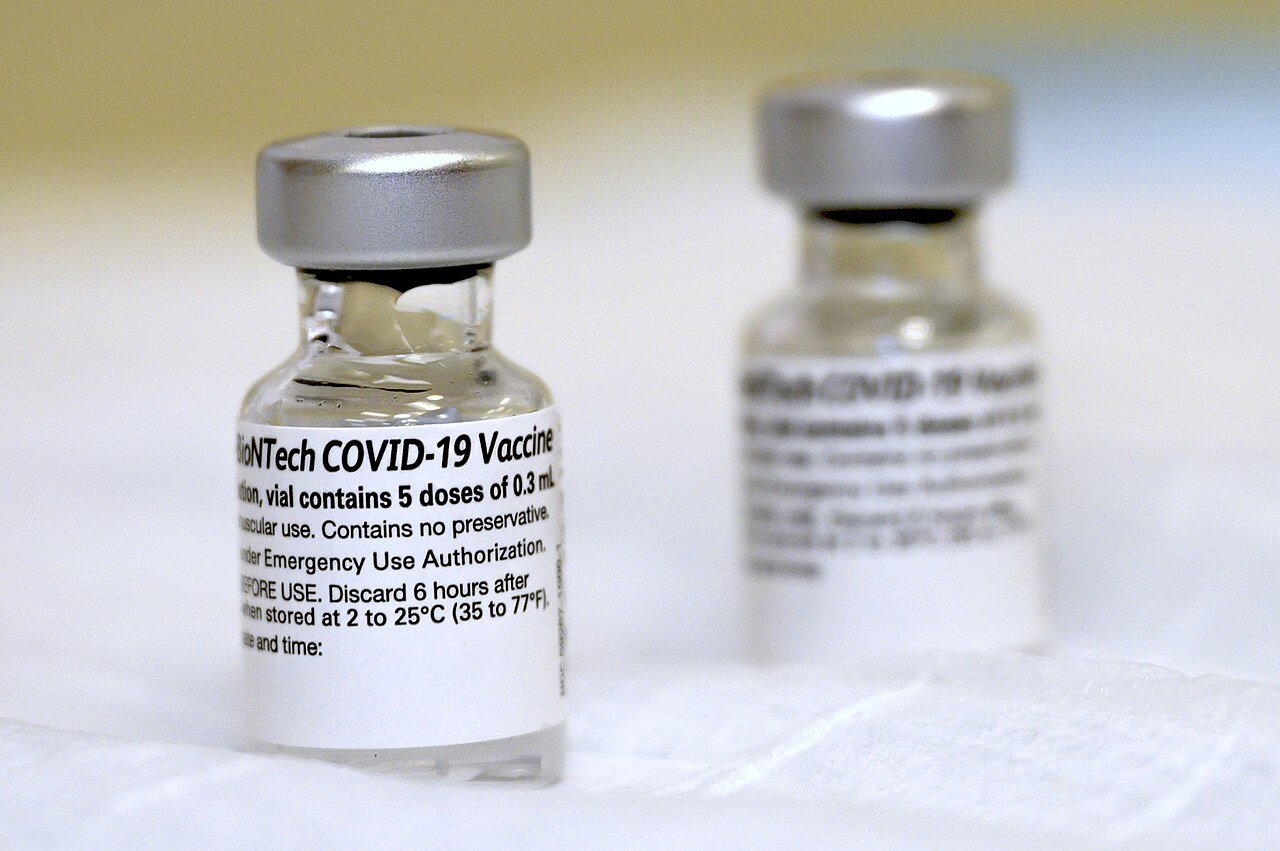
FDA-approved 2026–27 COVID vaccines are in retail channels, but CDC has not yet opened Vaccines for Children ordering covering about half of U.S. children. HHS says procurement decisions are being finalized; pediatric groups warn the stalled ACIP process is creating access gaps.
FDA-cleared 2026–27 COVID vaccines are already reaching commercially insured patients at pharmacies, but the CDC has not opened ordering through Vaccines for Children—a program covering about half of U.S. children—creating an access gap pediatric advocates warn will widen as respiratory season approaches.
Reuters, citing a Wall Street Journal report, said government VFC orders typically follow commercial availability by about two weeks; that window has slipped. An HHS spokesperson said COVID does not follow influenza’s predictable calendar and that an arbitrary September date should not be treated as a procurement deadline, adding that CDC is finalizing VFC and Section 317 decisions with details “soon.” CNN and related coverage have highlighted stalled Advisory Committee on Immunization Practices processes and pediatric groups’ concerns that policy uncertainty is translating into delayed shots for kids who rely on public programs.
The delay coincides with a broader Trump administration pullback in COVID guidance: CDC no longer recommends COVID vaccination for all children and instead urges parents to consult clinicians, after previously recommending shots for everyone six months and older. A federal judge earlier this year blocked a narrower vaccine schedule; Health Secretary Robert F. Kennedy Jr. has publicly criticized COVID vaccines and pushed reduced federal recommendations. Demand was already soft—fewer than 10% of children 6 months to 17 were vaccinated last year per CDC data cited by the Journal—even before the VFC holdup.
Retail availability without VFC ordering means insured families and cash-pay patients can proceed while roughly half of children dependent on the public program wait. HHS frames the pause as careful procurement; public-health voices frame it as a preventable equity gap layered onto rising vaccine hesitancy and concurrent measles strain.