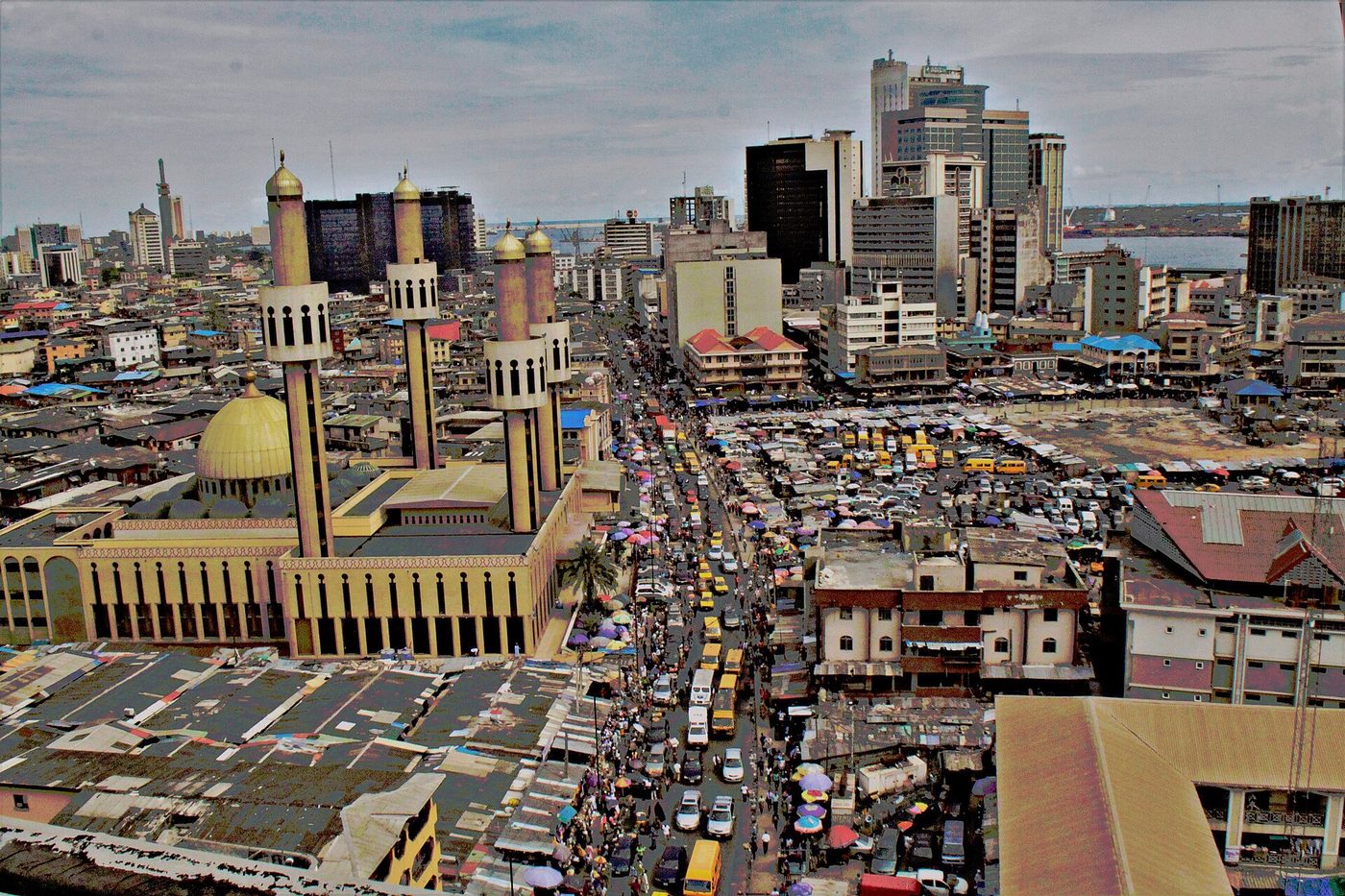
Satellite data shows some African coastal cities sinking faster than thought
According to BBC News, new satellite research shows some of Africa's largest coastal cities are sinking faster than thought. Lagos and Alexandria are among them. The study says seven million people could face a higher risk of flooding by 2050 as a result.
According to BBC News, new satellite research shows some of Africa's largest coastal cities are sinking faster than thought. Lagos and Alexandria are among them. The study says seven million people could face a higher risk of flooding by 2050 as a result.
Some of Africa's biggest coastal cities are sinking faster than once thought, according to BBC News, citing new research.
Scientists used radar images from European Space Agency satellites, the BBC reports. They mapped how much the land under 20 African coastal cities had moved.
Lagos in Nigeria and Alexandria in Egypt were sinking much faster than a 2021 estimate by the UN's climate body, according to the study. The ground under Alexandria sank about 6mm a year on average, and under Lagos about 5mm, the BBC reports.
By 2050, seven million people could be at risk of floods, the paper estimated, BBC News reports. So could one million buildings and $180 billion in assets.
Some sinking, or subsidence, is natural, the BBC reports. But much of it is caused by people, such as pumping too much water out of the ground.
The researchers from Virginia Tech could spot land movements as small as 1mm a year, the BBC reports. Lead author Oluwaseyi Dasho said the effects of sinking "are often invisible in everyday life, but over decades they can substantially increase flood exposure."
Not every city is sinking. Luanda in Angola has sunk a lot, BBC News reports. But Durban in South Africa has stayed level or even risen a bit.
The causes are often "extremely local," which means local policies can help, said senior author Manoochehr Shirzaei, according to the BBC.
What we know: A satellite study found some African coastal cities, such as Lagos and Alexandria, are sinking faster than once thought. Only BBC News has reported this so far; NewsHabit hasn't seen independent confirmation. What we don't know: Which journal published the study, and how cities will respond.
Where outlets agree BBC News reports that a satellite study found some African coastal cities, including Lagos and Alexandria, are sinking faster than previously estimated.
Where they differ The BBC News report includes the finding that Durban in South Africa has stayed stable or even risen slightly.