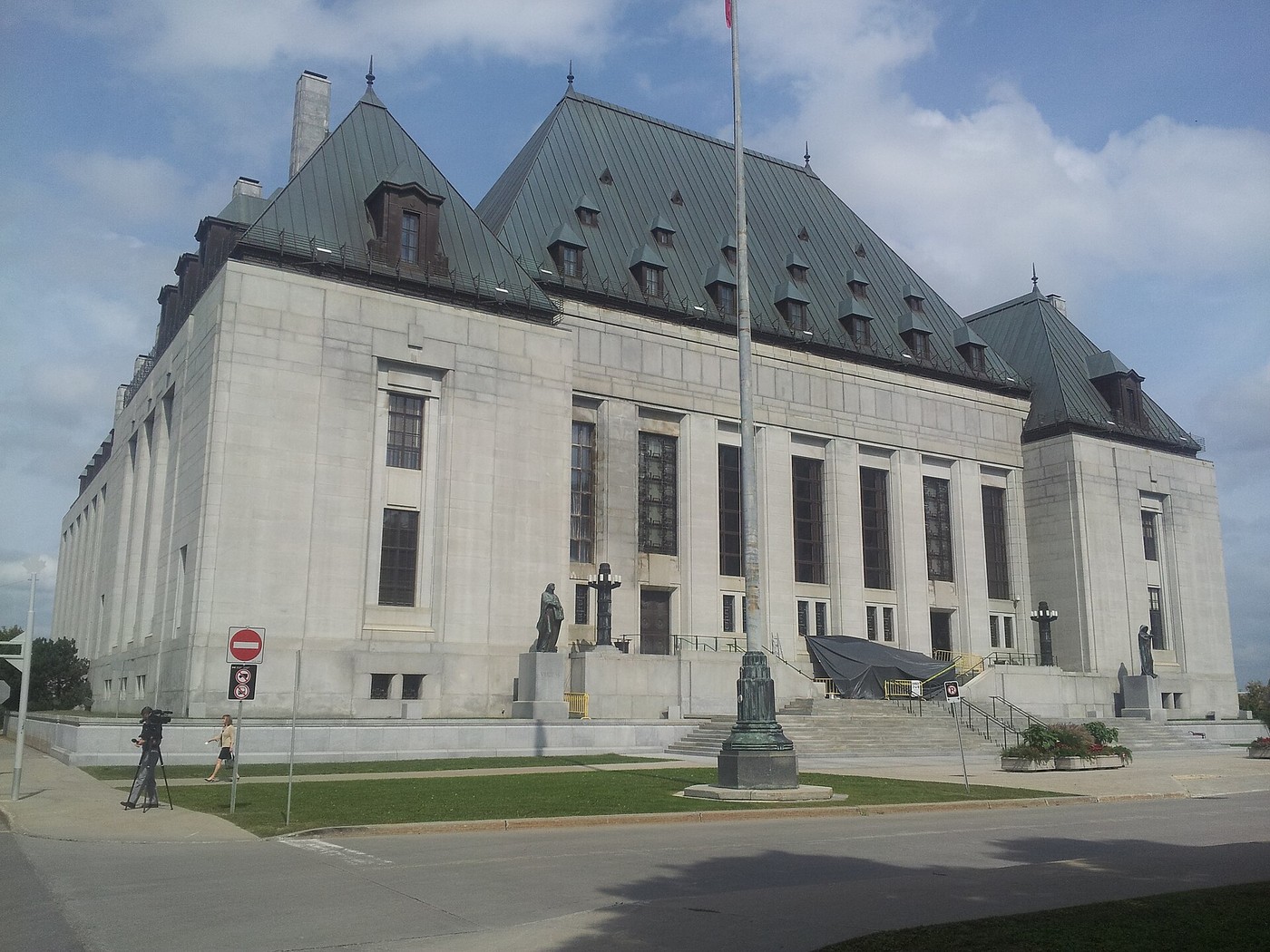
Canada's top court largely upholds Quebec's religious symbols ban
Canada's top court has largely upheld a Quebec law. It bans some public workers from wearing religious symbols at work. The court struck down one part, on face coverings for lawmakers, BBC News, The Guardian and the Washington Examiner report.
Canada's top court has largely upheld a Quebec law. It bans some public workers from wearing religious symbols at work. The court struck down one part, on face coverings for lawmakers, BBC News, The Guardian and the Washington Examiner report.
The Supreme Court of Canada on Friday largely upheld a Quebec law on religious symbols. The law bans some public workers from wearing them at work. BBC News, The Guardian and the Washington Examiner report the ruling.
The 2019 law, known as Bill 21, covers workers such as teachers, police officers, judges and government lawyers, the outlets report. It bars them from wearing items such as a hijab, turban, kippah or cross at work.
The court found one part of the law unconstitutional, the outlets report. It said Quebec lawmakers cannot be barred from covering their faces for religious reasons. That rule violates their democratic rights, BBC News and the Washington Examiner report.
Quebec passed the law using the "notwithstanding clause," the outlets report. That part of Canada's constitution lets governments override some rights for five years at a time. The court said Quebec could use the clause in advance, the Examiner reports.
Judges can still say a law breaks the Canadian Charter of Rights and Freedoms, even when the clause is used, the court said. BBC News and the Washington Examiner report this part. But the court did not make such a declaration in this case. The Guardian calls it a 6-1 ruling, and the Washington Examiner says three justices dissented on one issue.
"Bill 21 is rooted in Quebec's legitimate and historical commitment to ensuring the laicity of the state in a free and democratic society," Chief Justice Richard Wagner wrote for the majority, The Guardian reports.
Prime Minister Mark Carney said on CBC that his government would study what the ruling means, BBC News reports. Stephen Brown leads the National Council of Canadian Muslims. He criticized the decision. "We have a charter of suggestions and permissions," he said, according to The Guardian.
The case drew 51 outside parties, including six attorneys general, a record number, The Guardian reports.
What we know: Canada's top court upheld most of Quebec's ban. It struck down the face-covering rule for lawmakers. What we don't know: Whether other provinces will use the notwithstanding clause in similar ways after the ruling.
Where outlets agree BBC News, The Guardian and the Washington Examiner report that the Supreme Court of Canada largely upheld Bill 21, Quebec's ban on religious symbols for some public workers.
Where they differ The cited reports agree on the key facts so far.