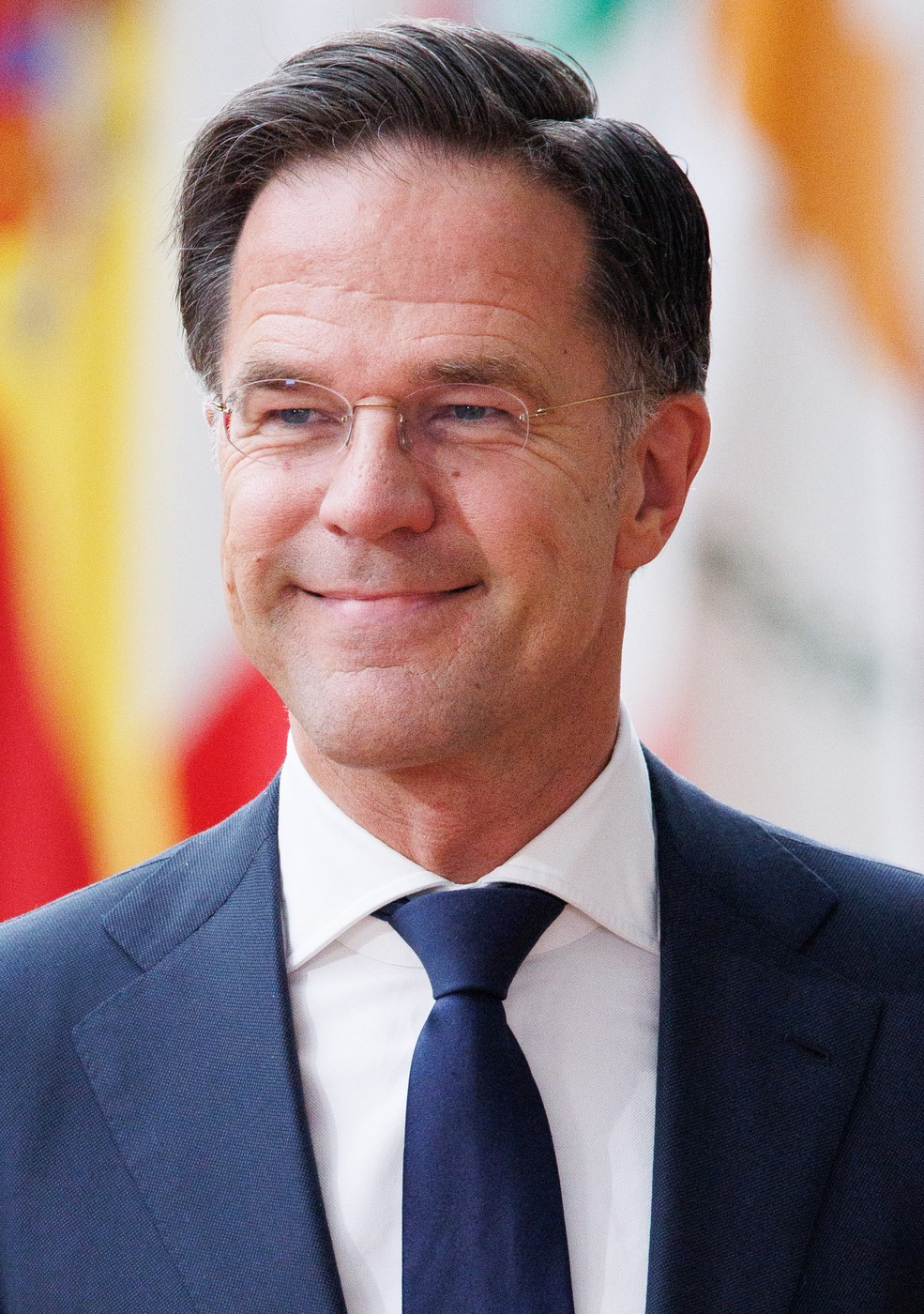
NATO chief vows space defense after reports of Russian nuclear satellite
NATO chief Mark Rutte says the alliance will defend itself in space. He spoke after German media reported that Russia could launch a satellite armed with a nuclear weapon within weeks. The Kremlin brushed off those German reports as not worth taking seriously.
NATO chief Mark Rutte says the alliance will defend itself in space. He spoke after German media reported that Russia could launch a satellite armed with a nuclear weapon within weeks. The Kremlin brushed off those German reports as not worth taking seriously.
"We will always make sure we defend every inch of NATO territory, and that includes making sure we are safe when it comes to the space element," Rutte said in Berlin, according to BBC News. He said NATO has a range of ways to respond, the outlet reports.
The claims came from German broadcasters NDR and WDR and the newspaper Sueddeutsche Zeitung, BBC News, Fox News and Ars Technica report. Citing unnamed German military and spy sources, they said the satellite is called "Sputnik-S" and carries a nuclear warhead, BBC News reports. Warnings shared among NATO countries this month said it could be launched within 60 days, Fox News reports.
A nuclear blast in orbit could knock out thousands of satellites, including networks such as Starlink, Ars Technica reports. It would also hit Russia's own and China's satellites, the outlet says. US lawmakers first disclosed Russia's plans for such a weapon in early 2024, Ars Technica reports.
German Chancellor Friedrich Merz did not confirm or deny the German claims, BBC News reports. He said they "reveal the level of escalation Russia is evidently prepared to pursue," the outlet says. He called the claims "shocking," Fox News reports.
Kremlin spokesman Dmitry Peskov said reports citing "unknown sources" were "hardly worth taking seriously," BBC News reports. The Russian embassy in Berlin called them "unfounded allegations" and part of a "propaganda campaign," the outlet says.
The news came days after President Trump met Russia's Vladimir Putin and China's Xi Jinping at a summit in Shenzhen, Fox News reports. Nuclear arms control was a main topic there, the outlet says.
What we know: NATO says it will defend itself in space after reports of a Russian nuclear satellite. What we don't know: Whether Russia really plans a launch, and which country wrote the spy warnings.
Where outlets agree BBC News and Fox News report that NATO chief Mark Rutte said the alliance's defense covers space after German media reported Russia could soon launch a nuclear-armed satellite.
Where they differ The cited reports agree on the key facts so far.