Explosive eruption found in deepest ocean trench surprises scientists
According to Live Science, a deep-diving robot has found signs of a violent volcanic blast about 6,000 meters down in the Mariana Trench. It is the deepest blast of its kind ever found. Scientists did not expect any volcano activity at that spot.
According to Live Science, a deep-diving robot has found signs of a violent volcanic blast about 6,000 meters down in the Mariana Trench. It is the deepest blast of its kind ever found. Scientists did not expect any volcano activity at that spot.
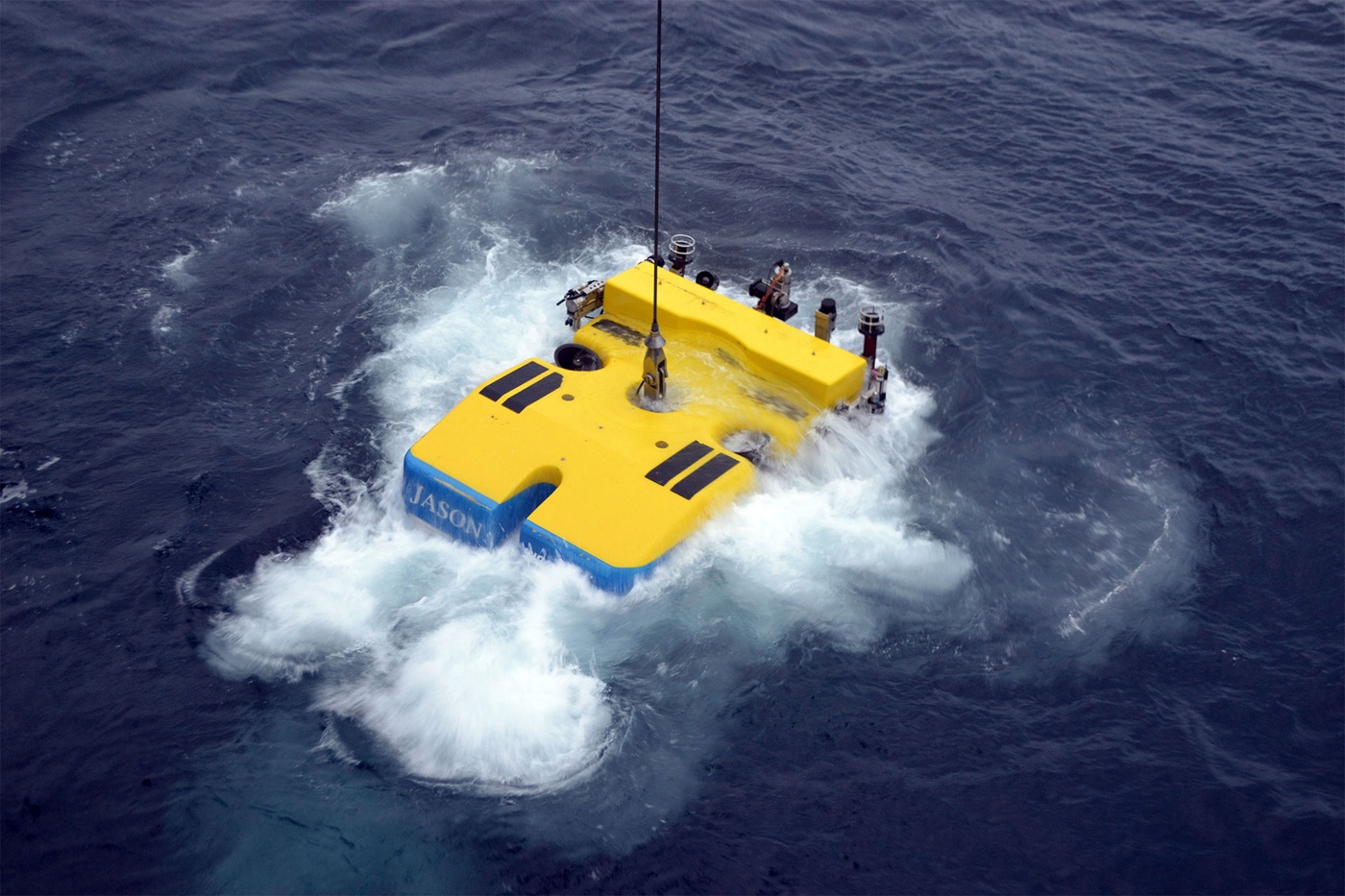
The find was made on the walls of the Challenger Deep, the deepest point in the ocean, Live Science reports. The remotely operated vehicle Jason/Medea photographed flat, pancake-like rock layers at three spots along a 100-kilometer stretch of the trench, the outlet says. Rock samples held volcanic glass and the texture of a pyroclastic flow, Live Science reports.
A pyroclastic flow is a fast, hot rush of gas and rock, like the one that buried Pompeii, Live Science says. It was a "complete surprise," said Robert Stern, a geoscientist at the University of Texas at Dallas and first author of the study, according to the outlet.
Volcanic activity is rare that close to an ocean trench, Stern said, Live Science reports. The water pressure there is equal to 592 Earth atmospheres, which usually keeps gases trapped in magma and stops explosive blasts, the outlet says. Stern said the eruptions may have been driven by a supercritical fluid, a strange state between a gas and a liquid.
The rocks have not been dated yet, Live Science reports. Volcanic glass usually wears away quickly in the ocean, so its presence suggests the eruptions were fairly recent, Stern said. "I don't think they're a million years old," he said, according to the outlet.
"It's not something that as a geoscientist I would have said would be predicted," said Sune Nielsen, a geochemist at the University of Lorraine in France who was not involved, Live Science reports. The team suspects the two plates may be starting a new subduction zone in the western part of the area, the outlet says.
The study was published on Monday, Nov 23, in the journal Frontiers in Earth Science, Live Science reports.
What we know: Researchers report finding the deepest explosive volcanic eruption on record in the Challenger Deep. What we don't know: Only Live Science has reported this so far; NewsHabit hasn't seen independent confirmation. The age of the eruptions is also unclear.
Where outlets agree Live Science reports that researchers found evidence of the deepest explosive volcanic eruption on record in the Challenger Deep.
Where they differ Live Science quotes two outside scientists who were not involved, and neither disputes the finding.