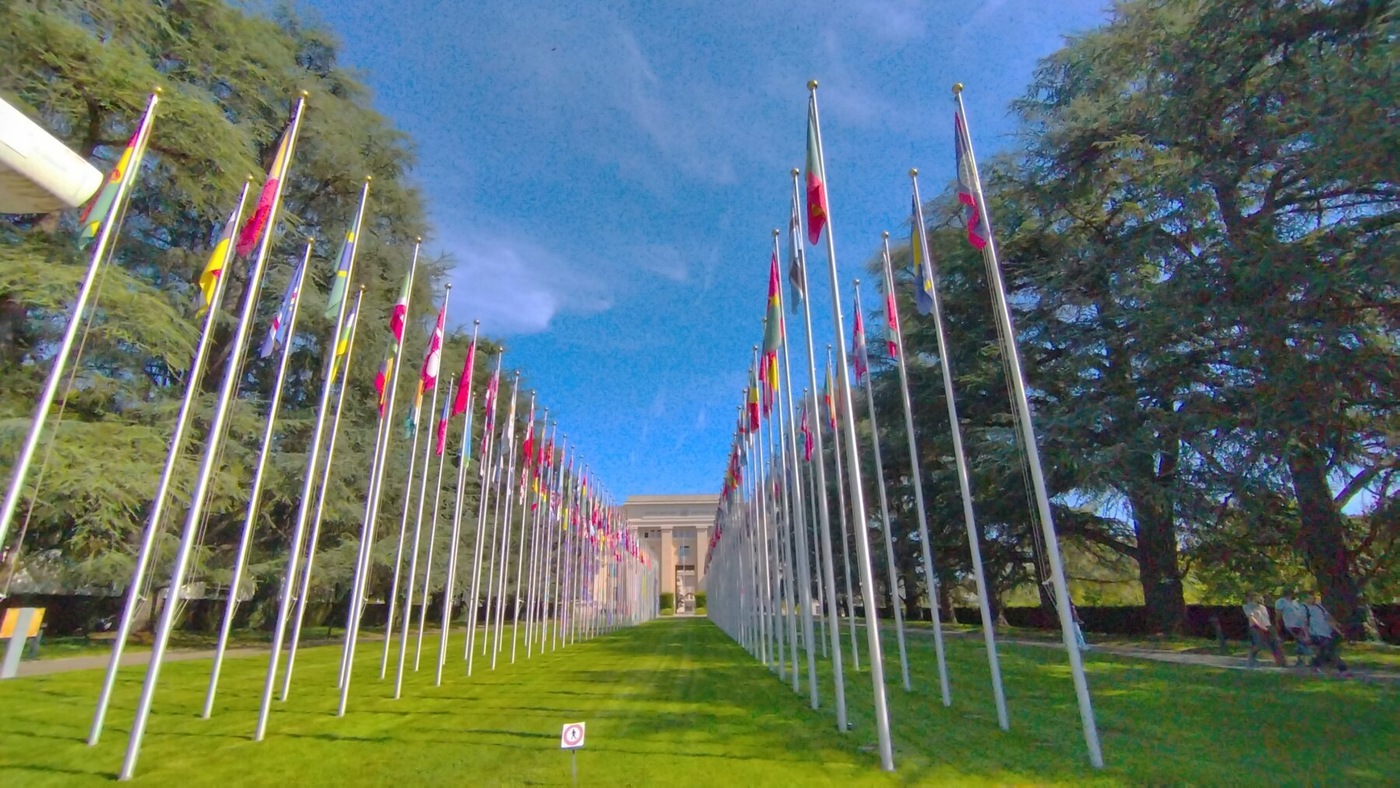
UN talks on 'killer robots' end without binding rules
UN talks in Geneva on AI-powered weapons that can pick their own targets ended without binding rules, NPR and The Guardian report. Countries agreed only to spend two years suggesting rules, which could be binding or optional, NPR says. Many aid groups had hoped for much more.
UN talks in Geneva on AI-powered weapons that can pick their own targets ended without binding rules, NPR and The Guardian report. Countries agreed only to spend two years suggesting rules, which could be binding or optional, NPR says. Many aid groups had hoped for much more.
Before the talks, the International Committee of the Red Cross said binding rules were needed within a year, NPR reports. The UN secretary-general and Pope Leo backed that call, NPR says.
Russia delayed the talks by objecting to the agenda, and the US proposed a five-year window for optional guidelines, NPR reports. The Guardian says Russia led the objections and the US was reluctant to commit to a binding treaty. Some of the most powerful countries, among them the US, Russia and Israel, did not want binding rules, NPR says.
The Red Cross said it regretted the result and renewed its call for a binding treaty, NPR reports. "They're just kicking the can down the road," one delegate said, according to NPR. Negotiators said the deal was better than nothing, NPR reports. Other campaigners called it "a real disappointment," according to NPR.
"We're likely to see the systems proliferate," said Anna Hehir, a military AI expert at the Future of Life Institute, NPR reports. She said such weapons are easy to buy or even build, according to NPR.
"You cannot hold a machine accountable for a violation of the law," said a Red Cross official, NPR reports. Civilians have been killed by drones that can act partly on their own in Ukraine, Sudan and Gaza, NPR reports.
What we know: UN talks ended with a plan to discuss rules for autonomous weapons over two years. What we don't know: Whether any rules will be binding, and what countries will propose.
Where outlets agree NPR and The Guardian report that UN talks on autonomous weapons ended without an agreement on binding rules.
Where they differ The cited reports agree on the key facts so far.